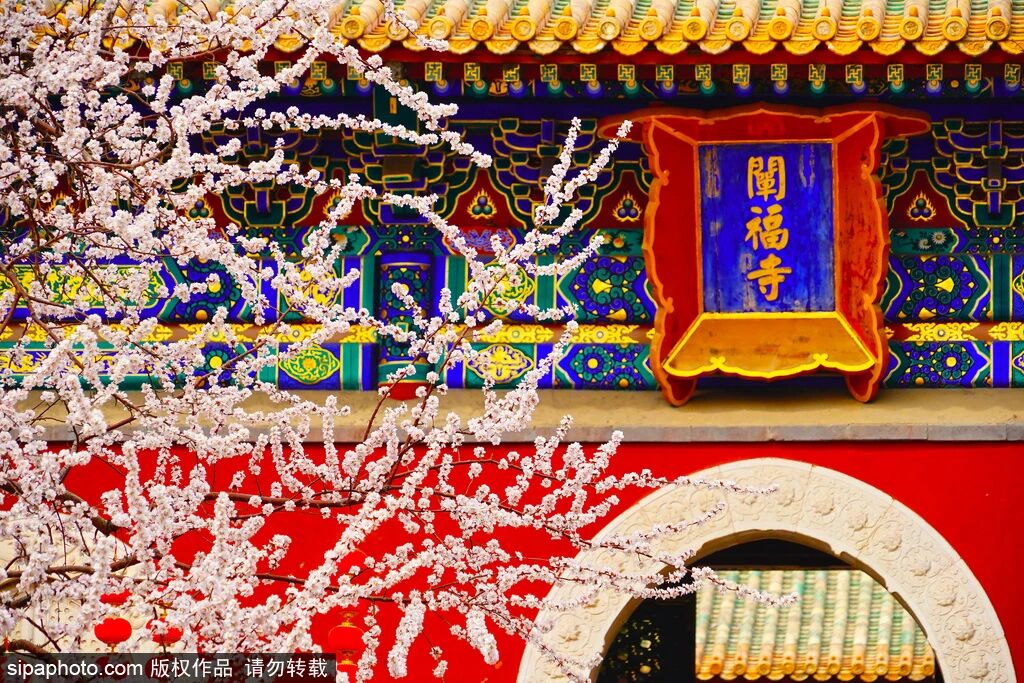
Waterfront locations: w Restaurant, Five Pagoda Temple, Zizhuyuan Park, Ziyuwan Wharf
The Hou Hu of the Beijing Exhibition Center is located on the northern side of the Beijing Exhibition Center in Xicheng District. It stretches from the east gate of Beijing Zoo in the west to the left bank of the Beizhan Water Gate in the east. The lake is connected at both ends to the Changhe Hu, which flows past Zhenjue Temple (Five Pagoda Temple), Baiyi Lu(Rd), Zizhuyuan, and Wanshou Temple, running through the Xi 3 Huan Lu (W 3 Ring Rd), and finally merging with the Jingmi Canal near the Chedaogou area, leading directly to the Summer Palace.
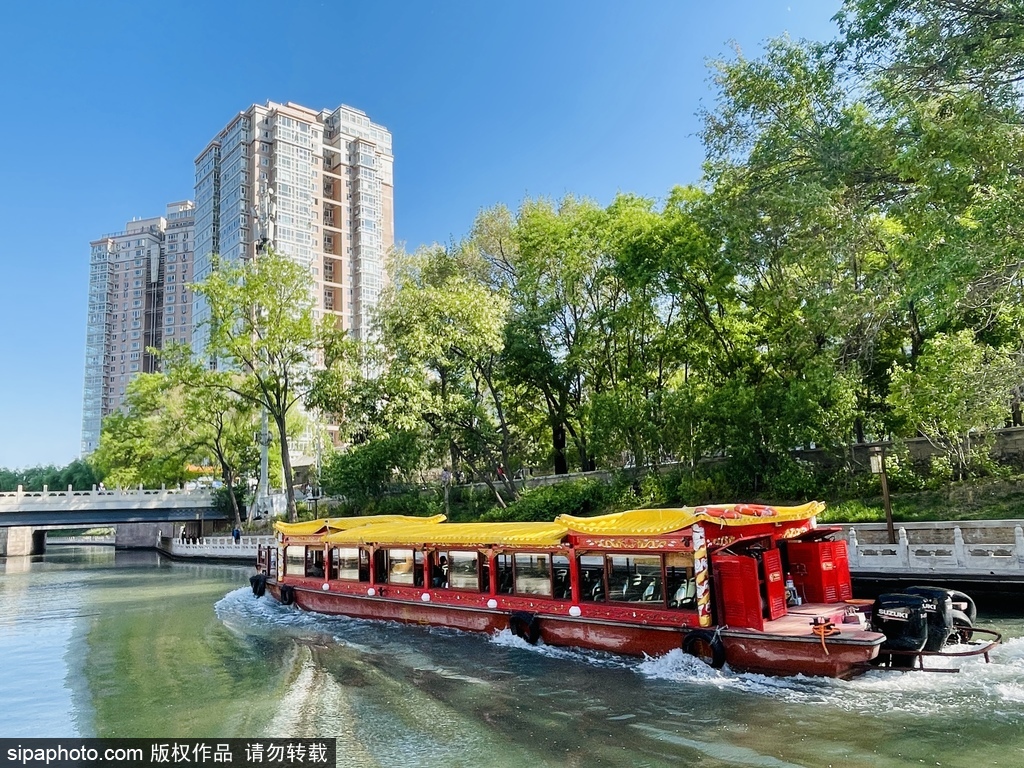
To understand the Hou Hu of the Beijing Exhibition Center, one must first talk about the Changhe Hu. The Changhe Hu is over ten kilometers long and was originally a waterway that brought water into the city. It flows from the foothills of the Western Hills, through Kunming Lake, passes by Maizhuang Bridge in Haidian, flows through Zizhuyuan Park and Beijing Zoo, passes Xizhimen, enters the North City Moat, and eventually converges with Jishuitan. This waterway dates back to the Northern Wei period and is mentioned in the "Shuijingzhu" (Commentary on the Waterways) by Li Daoyuan. During the reign of Emperor Qianlong, efforts were made to restore parts of the waterway, particularly the section from Yuxuan Mountain to Kunming Lake and the Western Hills water channels. From the time of Emperor Qianlong, several emperors, including Jiaqing, Daoguang, Xianfeng, Tongzhi, and Guangxu, all traveled along this royal waterway. Under Empress Dowager Cixi, this waterway was even more favored. Every summer, after the Buddha Bathing Festival in the city, Empress Dowager Cixi would travel by boat to the Summer Palace for a retreat. She would exit the Forbidden City through the West Gate, stay overnight at Wanshou Temple, and the next day continue her journey by boat to the Leshoutang Wharf at the Summer Palace.
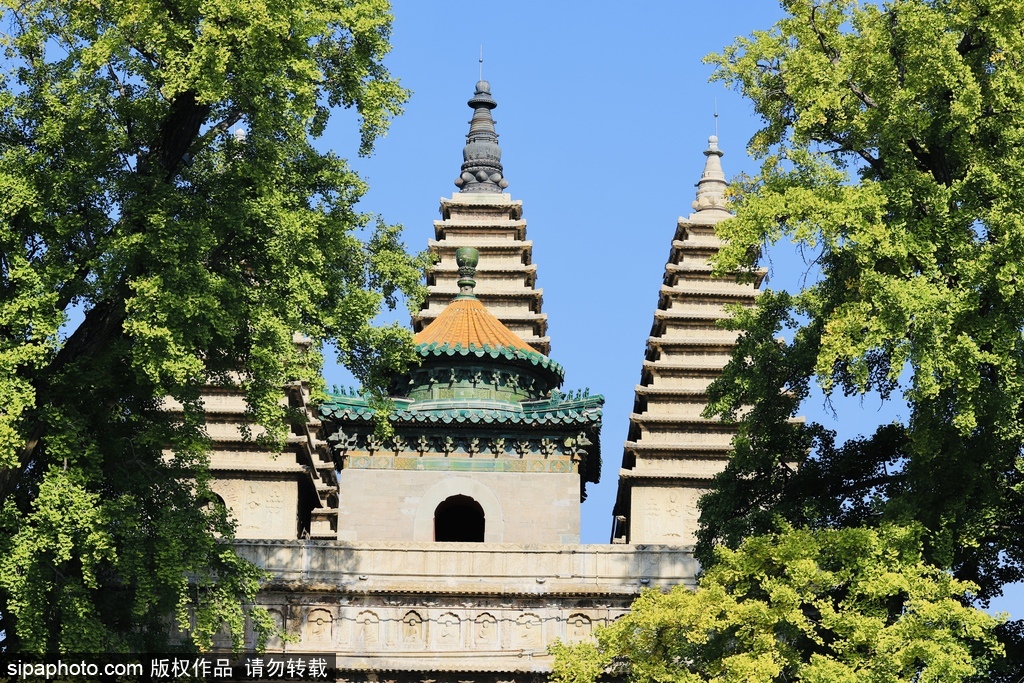
The Royal Temple of the Five Pagodas, also known as Zhenjue Temple, is located on the northern bank of the Changhe Hu. Inside the temple, there is a 7.7-meter-high Vajra Throne platform, which holds five stone pagodas, giving the temple its name. These five pagodas are designed in the style of Tang Dynasty secret eaves stone pagodas. The temple grounds are small, with the Five Pagoda Temple at the center, flanked by a series of tombstones and a circle of exhibition halls. In front of the pagodas, there are two ginkgo trees that are hundreds of years old. In summer, the trees provide a cool shade for visitors, and in autumn, they turn a golden yellow, covering the entire tree. Today, the Five Pagodas Temple serves as the Beijing Stone Carving Art Museum, and its unique stone carvings have made it a model of cultural integration between China and the world.
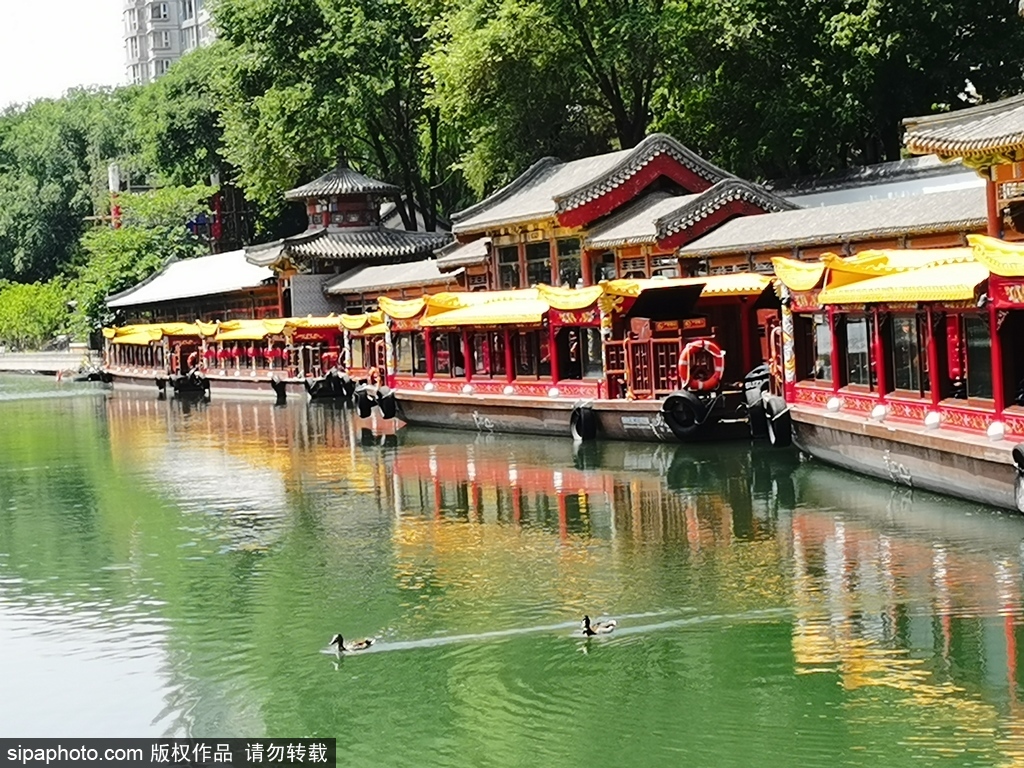
The pleasure boats on the Changhe River are now operating. Starting from the Emperor’s Boat Wharf at the Hou Hu of the Beijing Exhibition Center, those wishing to experience the royal waterway can now embark from the Ziyuwan Wharf located in Beijing’s Zizhuyuan Park, which was once the spot where Empress Dowager Cixi would change boats and rest. Boarding a boat here, you will pass several major attractions in Beijing, such as Zizhuyuan Park, Wanshou Temple, and Maizhuang Bridge. Not only will you enjoy the majestic ancient architecture, but you’ll also have the chance to admire the lush green willows and blooming peach trees along the banks. The dreamy scene of "Changhe Viewing Willows" will captivate you and leave you mesmerized.
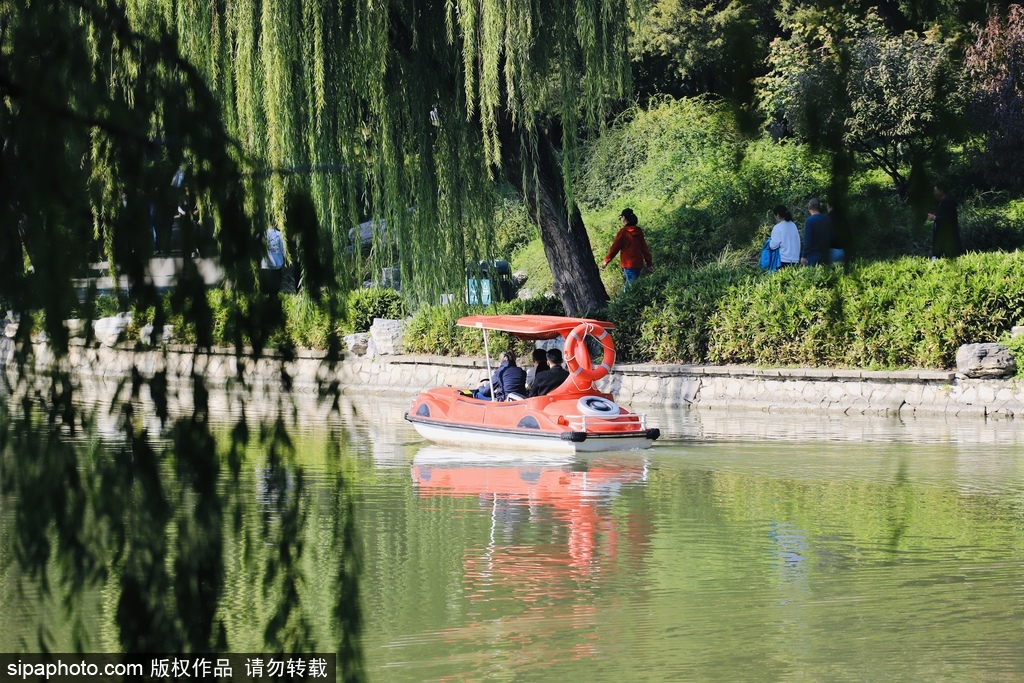
Also, there is Zizhuyuan Park, named after a Ming Dynasty temple located within the park—the Fuyin Zizhuyuan Temple, which has nearly 600 years of history. The park is home to a well-preserved Qing Dynasty palace and was once a resting station and boat dock used by Empress Dowager Cixi on her way to the Summer Palace.
In the fifth year of the Wanli reign of the Ming Dynasty, Empress Dowager Cisheng built Zizhuyuan as an annex to Wanshou Temple, which was under construction at the same time. During the Qing Dynasty, in the Qianlong era, a "Luhua Ferry" was constructed here, modeled after the water towns outside Suzhou in Jiangnan. The Ming Dynasty temple was also renovated and renamed "Zizhuchan Temple." A palace was built to the west of the temple, known as the Zizhuyuan Palace. In the Guangxu period, the palace was renovated and renamed "Fuyin Zizhuyuan," and the park was subsequently named Zizhuyuan Park.
Not far from the Hou Hu of the Beijing Exhibition Center, you’ll also find great places for leisurely strolls and educational visits, such as the Beijing Zoo, Beijing Planetarium, and Paleozoological Museum of China.
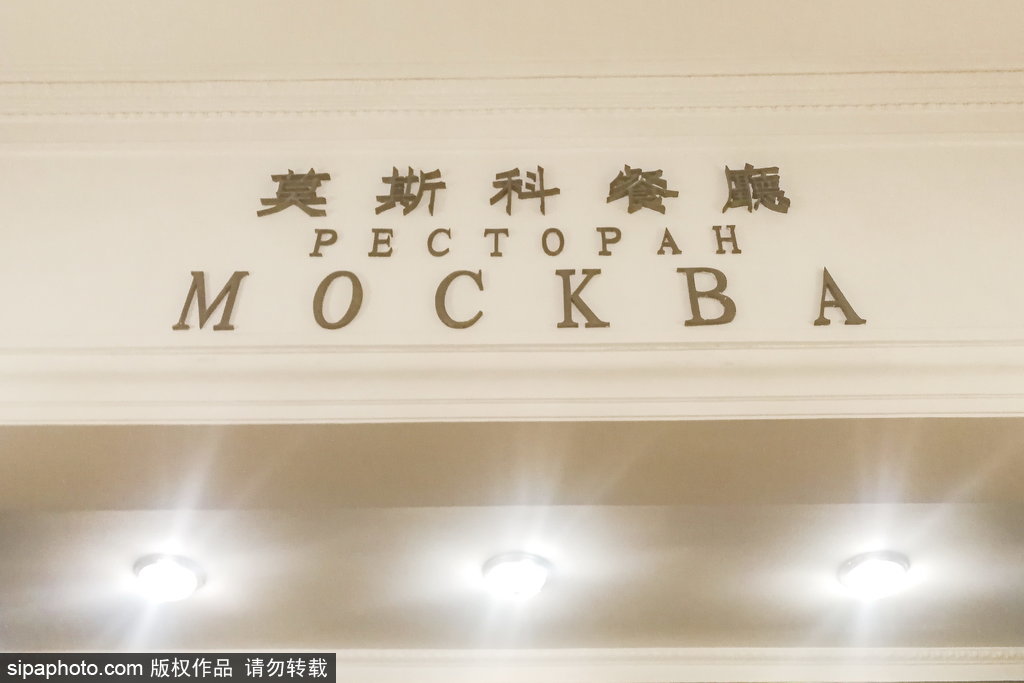
As for food, it’s not hard to find a place to eat near the Hou Hu of the Beijing Exhibition Center. Inside the Beijing Exhibition Center complex, you can enjoy different options such as Lao Mo (w Restaurant), Xiao Mo, Moduoduo, and the Beer Garden. For more variety, head east to Kaide Mall, where there are plenty of choices. If you're just looking to take a coffee break, you can take a leisurely walk to Coffee Craft CC. Their coffee, paired with traditional sweets like the "Big Shrimp Puff," is a delightful treat.