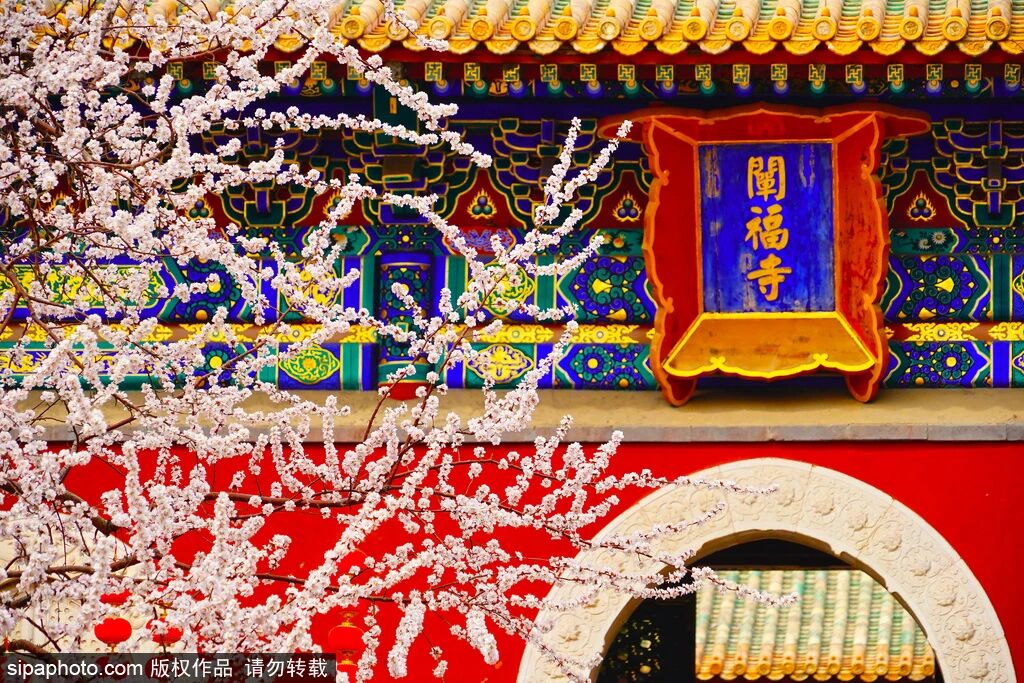
Waterfront locations: Yellow River Source Stone, Lugou Bridge, Wanping City
Xiaoyue Hu is located in the Lugou Bridge area of Fengtai District, on the Yongding River. It is an artificial reservoir and, together with Wanping Hu, Yuanbo Hu, and the Yuanbo Functional Wetland, forms the ecological zone known as "Three Lakes and One Wetland." The famous Lugou Bridge spans across Xiaoyue Hu, and this area is home to one of the renowned "Eight Scenic Spots of Yanjiing"—"Lugou Xiaoyue" (Lugou Moonrise).
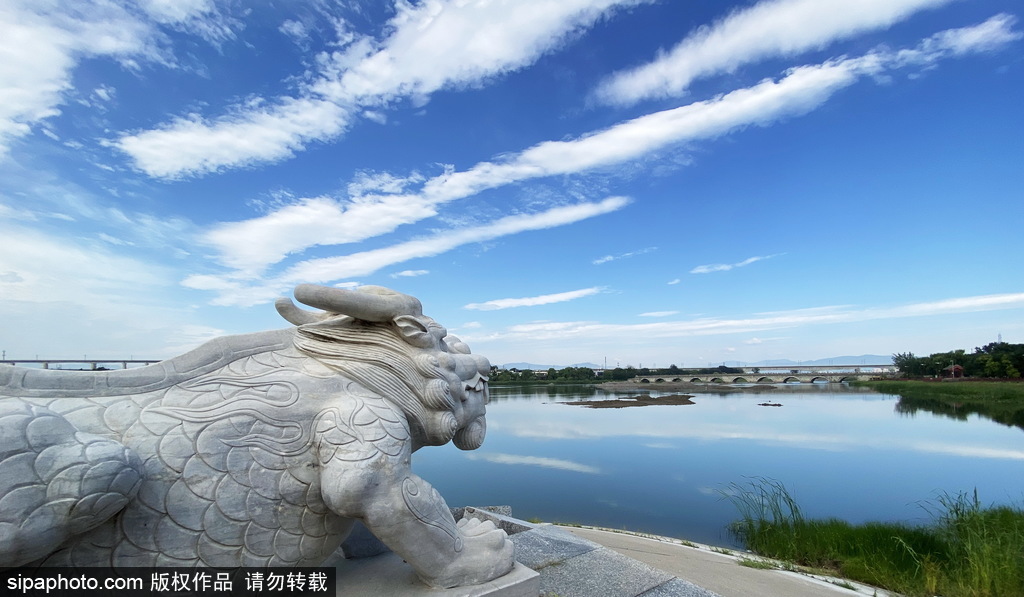
Xiaoyue Hu Park is built along the Hu. Approaching the eastern entrance of the park, you will encounter the Yellow River Source Stones. A total of 39 Yellow River Source Stones are arranged along the eastern bank of the Hu, including stones named "Wealth Stone", "Star Stone", and "Snow Lake Stone", all carefully selected from Qinghai Province. These stones were collected during the construction of the Longyangxia Reservoir in the 1970s. Within the park, you can also enjoy a view of the Lugou Bridge. Despite its ancient design, the bridge remains timeless even by today’s aesthetic standards.
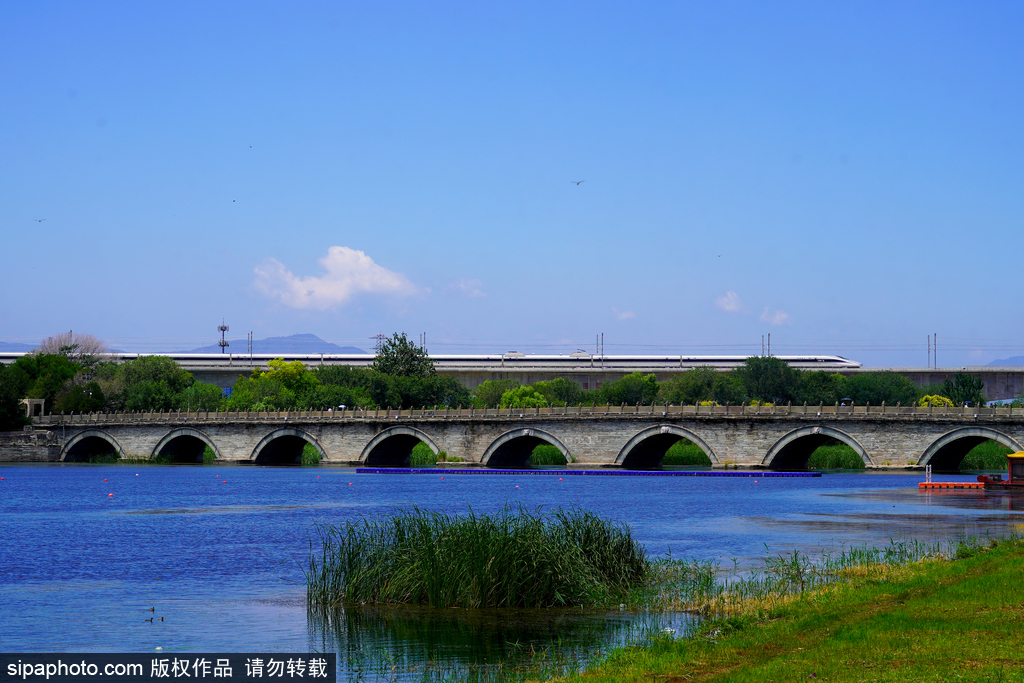
The park is also equipped with a plastic walking path, and in the mornings and evenings, many local residents come here to exercise. It’s indeed a "luxury" to be able to work out in such a famous location, one of the "Eight Scenic Spots of Yanjiing." For ordinary people, living a life where they can exercise by the iconic Lugou Moonrise is truly a happiness. In the summer, the green trees and tranquil lake create a barrier against the scorching heat, bringing a refreshing coolness. Just gazing at the vast expanse of water can make you feel cooler.
Walking downstream along the Yongding River, it doesn’t take long to reach Lyudi Park, located on the shores of Wanping Hu. Strolling along the waterfront path, you will be surrounded by willows gently swaying by the Hu, with the cool breeze brushing your face. The clear water and the sky merge into one, creating a tranquil and refreshing atmosphere that lifts your spirits.
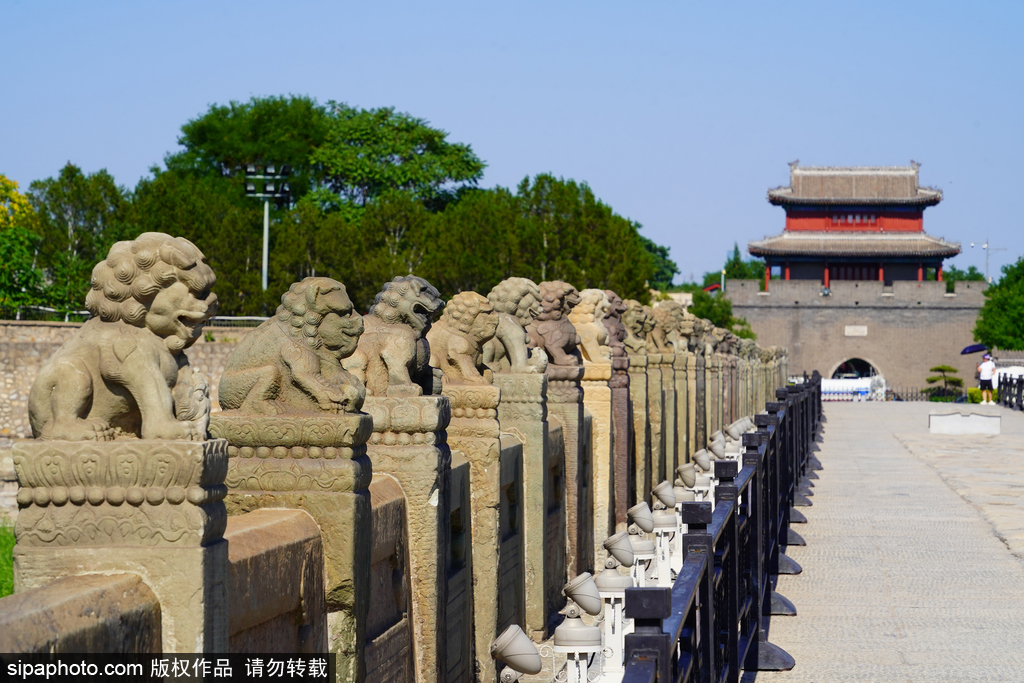
Lugou Ancient Ferry is the largest ferry crossing on the Yongding River and historically served as a critical gateway to Beijing. As early as the Shang and Zhou dynasties, the Lugou crossing had already taken shape, becoming a vital ancient road connecting the city of Ji (modern-day Beijing) with other regions. Before the construction of the Jin capital in Zhongdu (modern-day Beijing), floating or wooden bridges were built to link the North China Plain with the small plains of Beijing. The Lugou Stone Bridge we see today is over 800 years old and has been rebuilt several times. Its construction made the north-south highway along the eastern foothills of the Taihang Mountains accessible, deeply influencing the development and prosperity of Beijing.
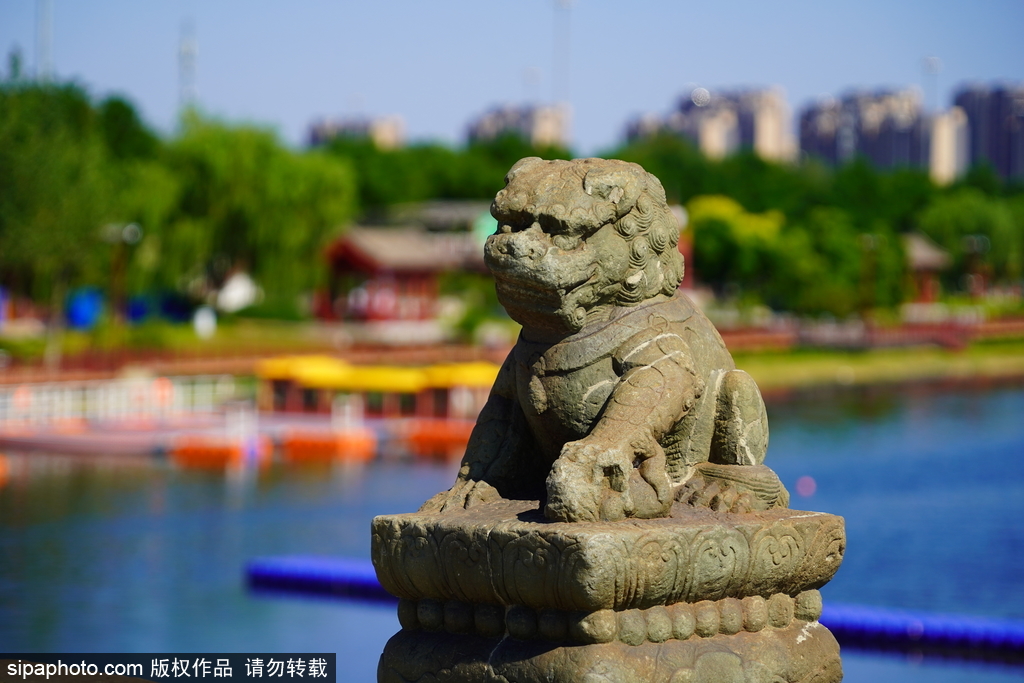
In the summer, the waters by Lugou Bridge shimmer in the sunlight, and the ancient stone roads bear witness to the long history of the bridge. The winding Xiaoyue Hu tells the story of the bridge’s present-day beauty. From the romantic and picturesque "Lugou Xiaoyue" (Lugou Moonrise) to the fiery days of the "July 7th Incident" during the Second Sino-Japanese War, Lugou Bridge holds an indelible place in the heart of every Chinese person, a symbol of both beauty and deep historical significance. The lions of Lugou Bridge "rank by seniority," with the youngest having been restored only in 1997, making them barely 20 years old, while the oldest lions date back to the Jin Dynasty and are over 800 years old. Walking along the 300-meter-long waterfront boardwalk by Xiaoyue Hu, visitors can enjoy the stunning views of the Hu, mountains, and the blending of water and shore, with the majestic Western Hills in the backdrop.
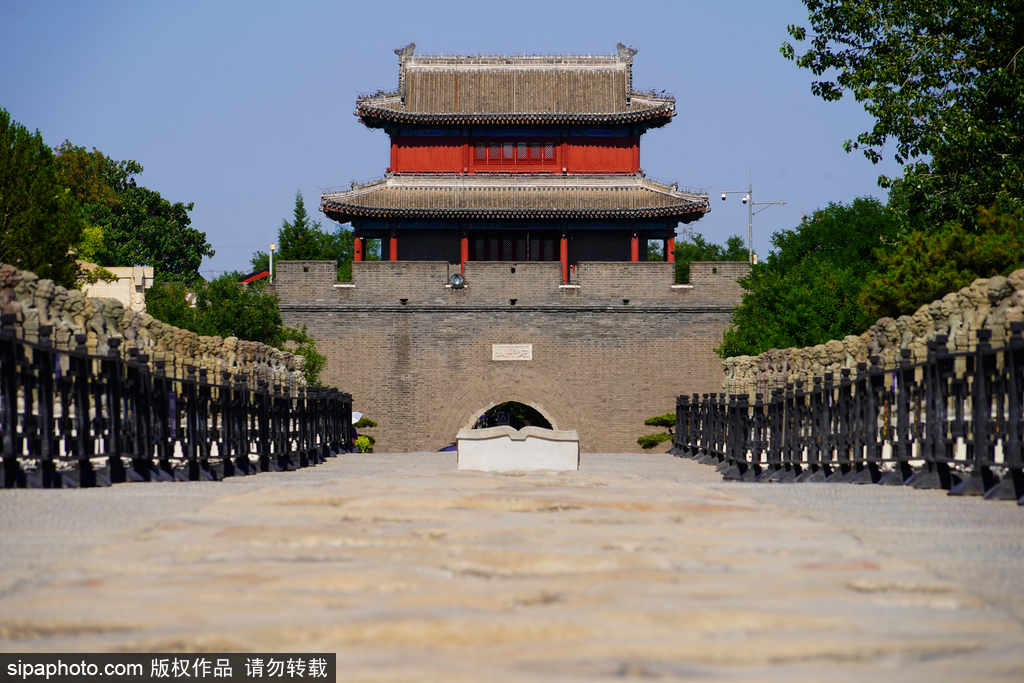
The Wanping City area is located on the eastern bank of the Yongding River and is the only well-preserved, two-gate walled city in North China. Wanping City is not only a compact little town but also an important cultural and scenic landmark along the Yongding River Cultural Belt. It stands as a majestic and imposing fortress.
Strolling along the pedestrian street in Wanping City, you’ll be surrounded by ancient, charming architecture and a variety of flowers and trees, making it a pleasant and inviting place to live and visit.
If you get tired from walking, there's no need to go far for a good meal—there are several reasonably priced restaurants nearby. Wanping No. 9 and Wanping Liji are great places to satisfy your hunger with delicious food.