Waterfront locations: Daoxiang Hu Park, Cuihu National Urban Wetland Park, Daoxiang Hu Hot Spring Hotel
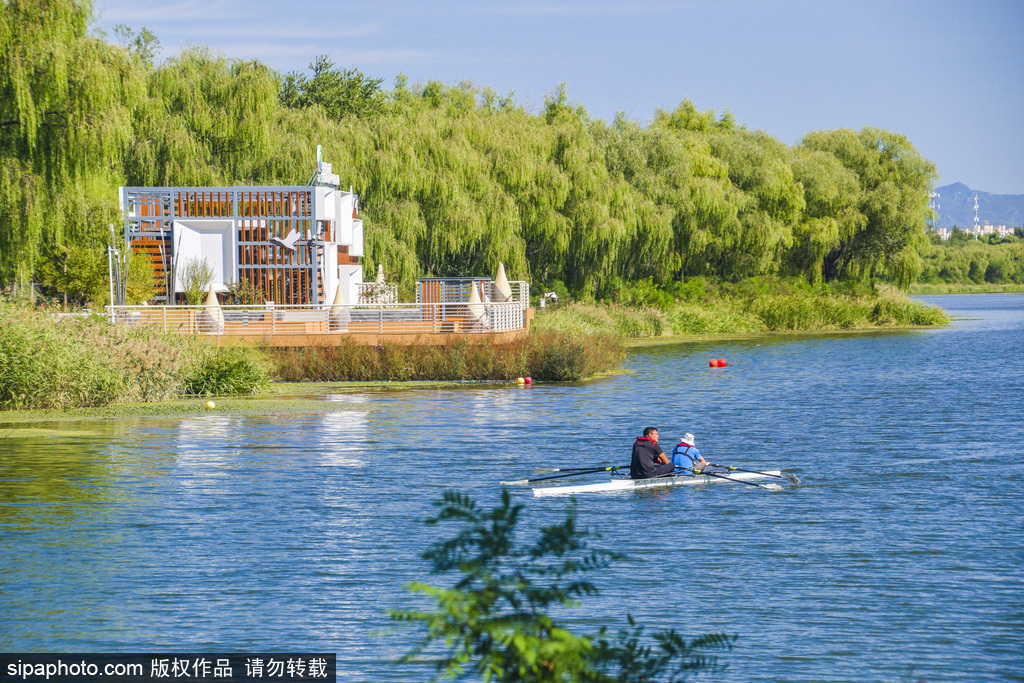
Daoxiang Hu is located in Sujiatuo Township, Haidian District, and is an expansive natural Hu. Historically, the area around Daoxiang Hu was a rice-producing region on the outskirts of Beijing. In the 1960s and 70s, Daoxiang Hu belonged to the Sujiatuo Commune, where rice cultivation accounted for over 70% of the arable land. Surrounded by endless rice fields, the Hu earned its name for its fragrant atmosphere during the autumn harvest, when waves of golden rice dance in the breeze. The Nansha River on the Hu's south bank is also an important river in the western Beijing area, serving as a tributary of the Wenyu River.
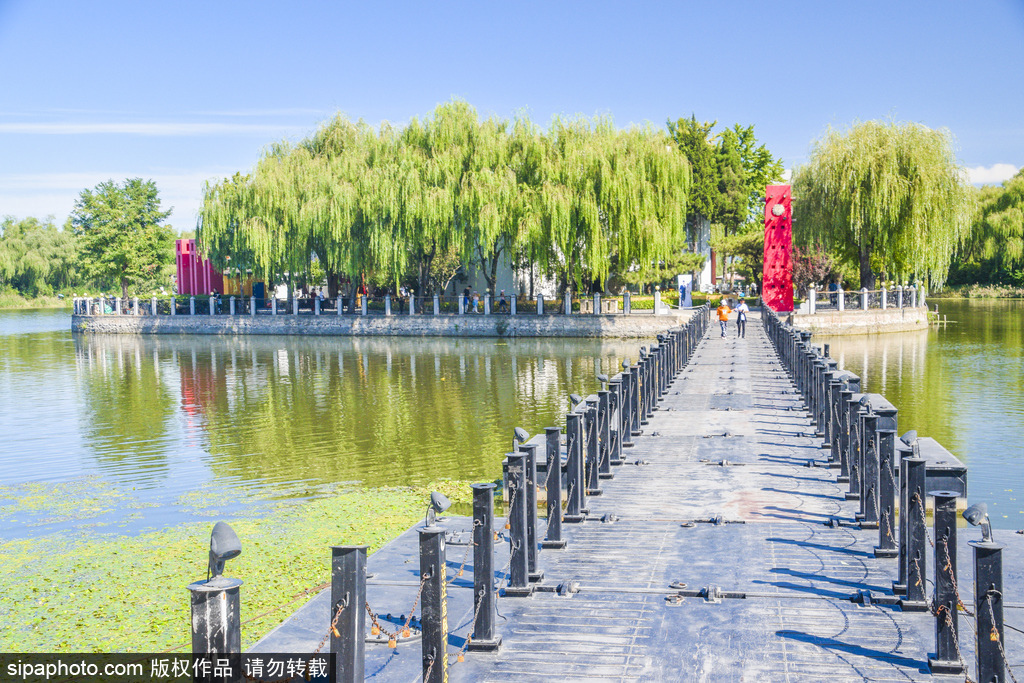
Daoxiang Hu Park is Beijing's first countryside park funded by local farmers, focusing on the natural scenery of rural areas. The Huside is lush with green reeds, and the sounds of egrets, orioles, and doves create a melodious backdrop.
In addition to its beautiful scenery, Daoxiang Hu holds a rich cultural heritage. It is the site of the family temple of Nalan Xingde, a renowned poet from the Qing Dynasty during the Kangxi era. On the north bank of Daoxiang Hu in the Cuihu area stands the Nalan Xingde Memorial Hall, which was originally Nalan Xingde's villa. Now known as "Nalan Garden," the memorial hall is a cultural venue themed around Nalan Xingde's life and poetry. The famous poetry magazine "Daoxiang Hu" was also born here. Its founders, Ai Sha and Ma Yiya, were a couple of poets who emerged in the 1940s. They fought for their ideals with pen instead of weapons, leaving a brilliant mark on the history of our country's anti-war poetry. After enduring many hardships, they returned to Shajian Village in Sujiatuo Town, where they established the "Daoxiang Hu" poetry magazine amidst the picturesque landscape of the Hu, which continues to be published today.
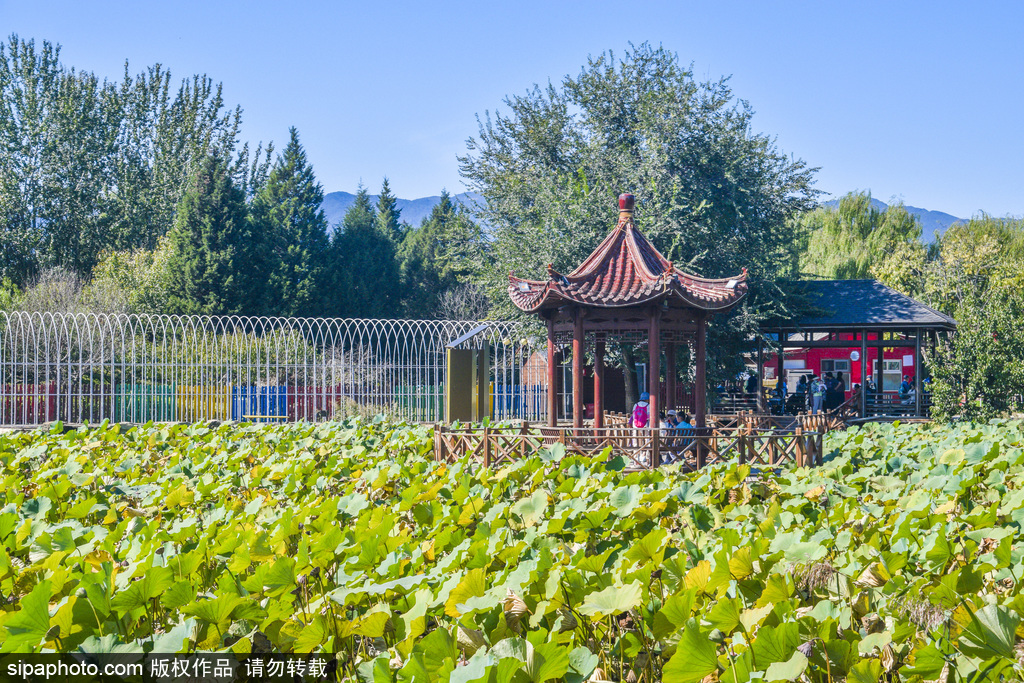
Strolling by Daoxiang Hu and enjoying lotus flowers. When you hear the name Daoxiang Hu Park, you might be eager to see the vast rice fields. However, the rice paddy area here is limited; the real stars of the show are the lotus flowers. Summer is the best season to admire these blooms. The lotus flowers at Daoxiang Hu are mainly found near the VIP Building C of the Daoxiang Hu Hot Spring Hotel, the southeast side of the Huside café, and the west side of Platane Avenue. Their blooming period can last until early September.
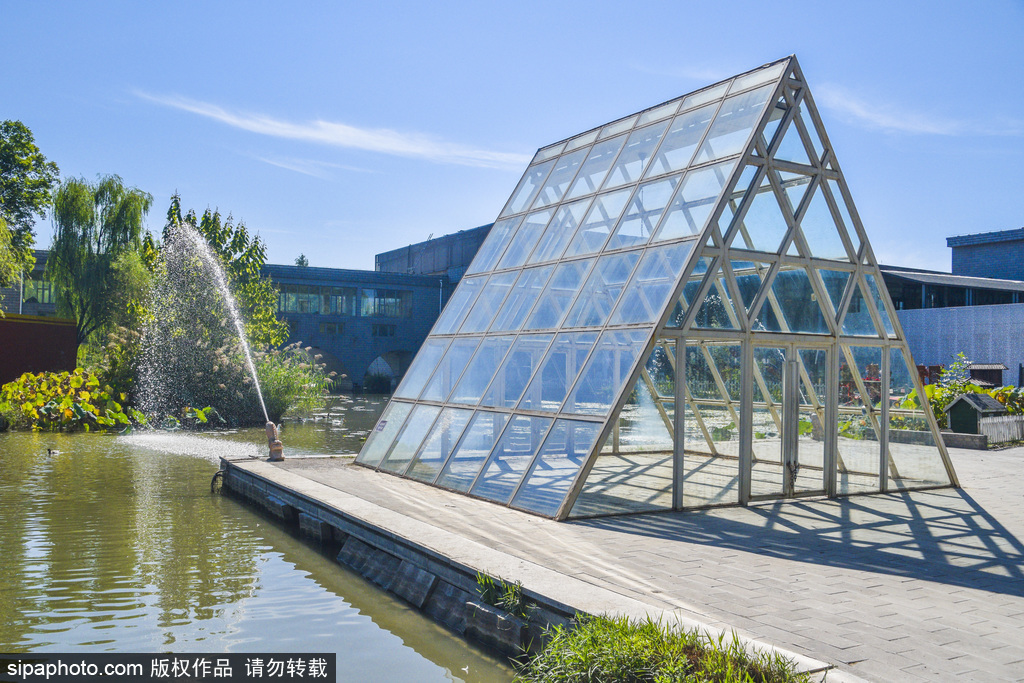
Summer mornings are the perfect time to see the lotus flowers in full bloom. Without the heat of the day, a gentle breeze refreshes the air, making it a wonderful time to breathe in the fresh air rarely found in the city. The sight of blooming lotuses alongside boats resting by the stream creates a picturesque scene.
Strolling and fishing at Daoxiang Hu. Daoxiang Hu Wetland Park is a paradise for fishing enthusiasts, as it connects to the Shuangzhuang Reservoir. This expansive body of water is home to a variety of freshwater fish, making it a delightful surprise for those who enjoy fishing.
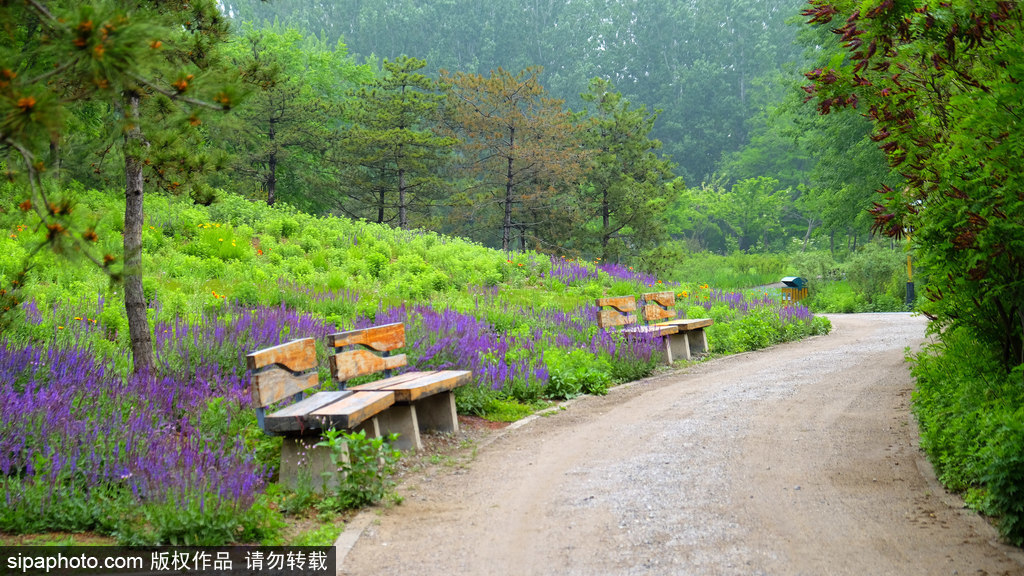
Strolling and Birdwatching at Daoxiang Hu. Across the Nansha River from Daoxiang Hu lies Cuihu National Wetland Park, an excellent spot for observing water birds. Climbing the Birdwatching Tower allows you to gaze over the expansive water surface, searching for aquatic birds, or capturing stunning moments of waterfowl hunting with your camera. Since it is a wetland protected area, Cuihu National Wetland Park is open to visitors only from April 1 to October 31 each year. Guests need to make an online reservation 3 to 15 days in advance. On Mondays and Wednesdays, visits are only available for group reservations, with a maximum capacity of 300 people. On Saturday mornings, individual visitors can make reservations, limited to 150 people. Don't forget to make your reservation before you go!