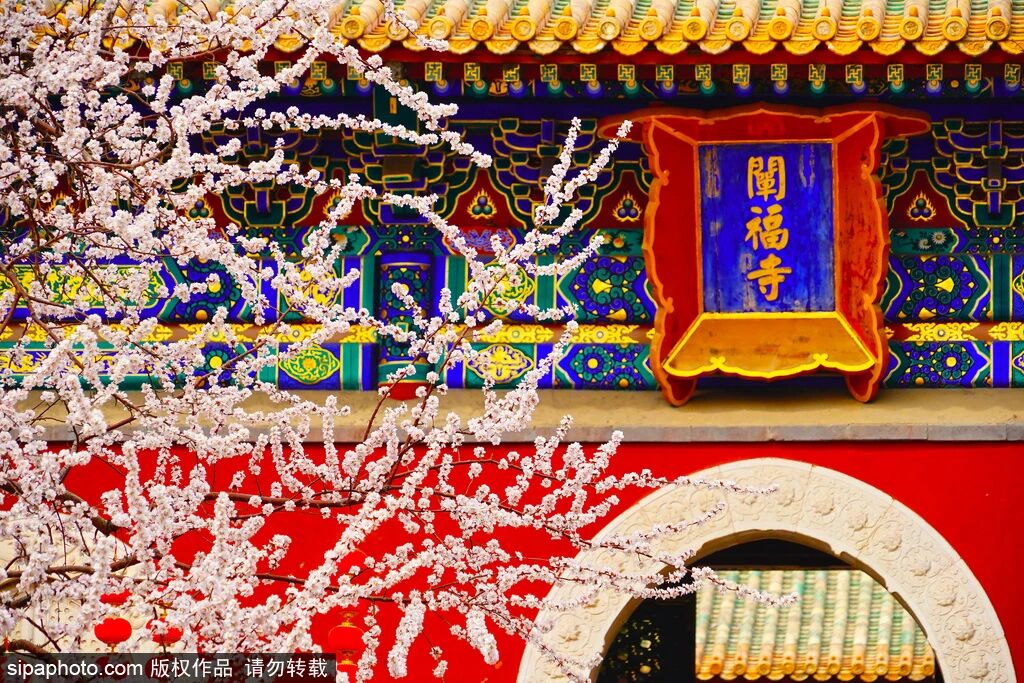
Waterfront locations: Beijing Yeya Hu Scenic Area, Yeya Hu Wetland Museum
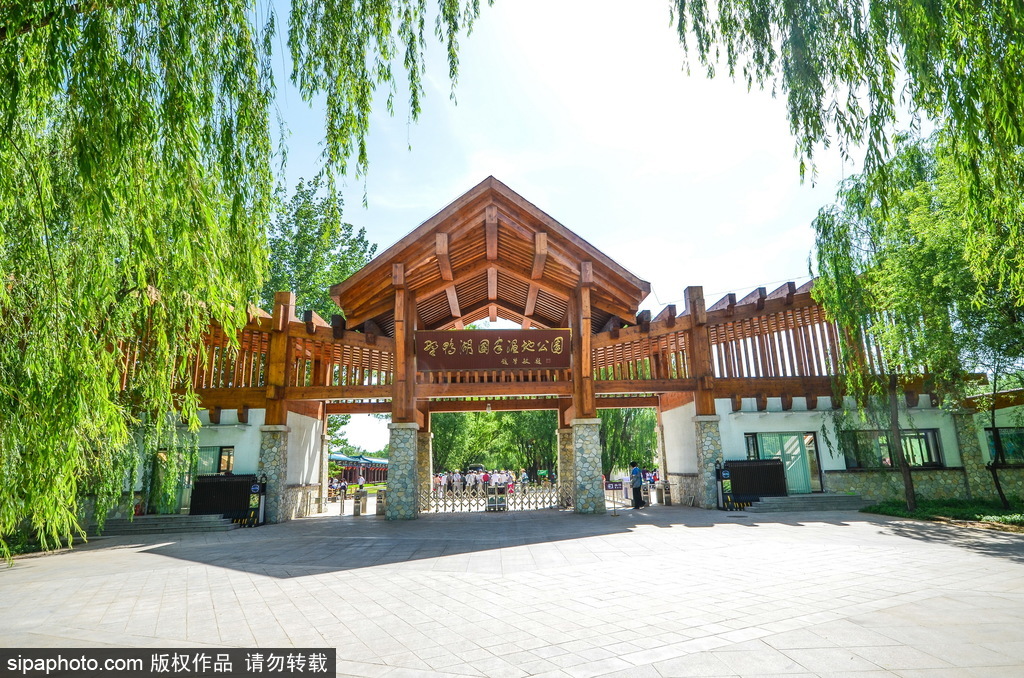
Yeya Hu Wetland Nature Reserve is located in the northwestern part of Yanqing District, Beijing. It is surrounded by mountains on three sides, with the Yanshan Mountains to the north, the Taihang Mountains to the south, the magnificent Badaling Great Wall to the southeast, and the "Kangxi Grassland" to the west.
The wetland area is vast, ranking first in North China. It encompasses over 1.5 million square meters of water surface, with more than 50,000 acres of marshland. Yeya Hu Wetland belongs to the Yongding River system, formed by the alluvial deposits of the Guishui River. After the completion of the Guanting Reservoir, a large artificial lake wetland was created. Guanting Reservoir is China's first large valley reservoir, with a total storage capacity of 2.2 billion cubic meters. The reserve is located in the upper reaches of the reservoir, featuring a network of channels and numerous bays. The area boasts rich vegetation and extensive mudflats, making it a place full of wild charm and an ideal educational base for nature and biology teaching for primary, secondary, and higher education institutions.
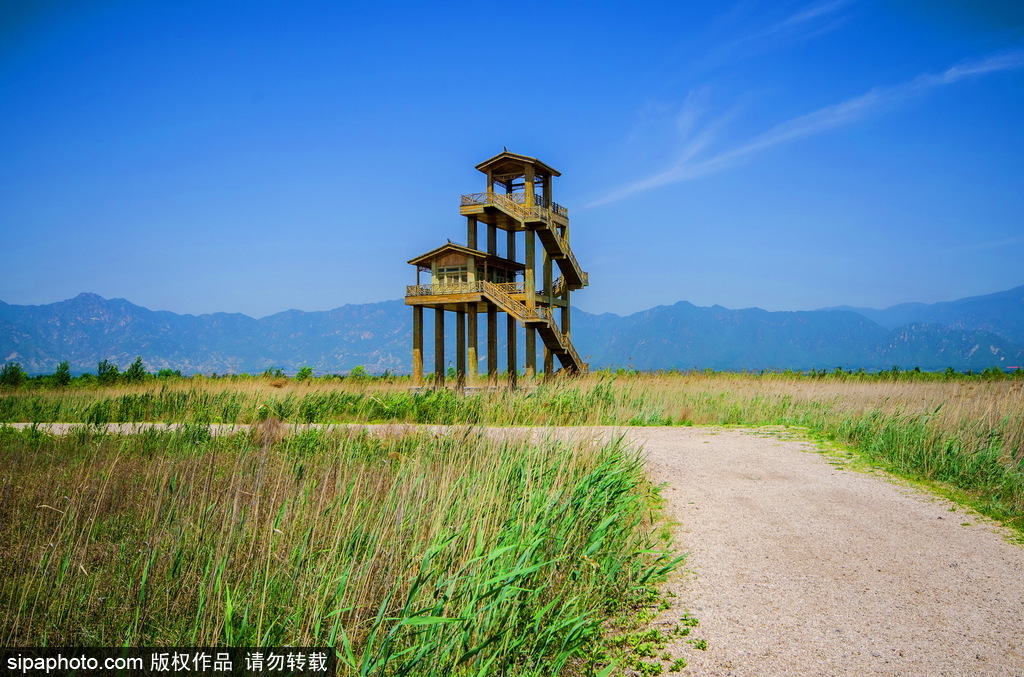
Yeya Hu is located about 85 kilometers from downtown Beijing, approximately a two-hour drive. It serves as a stopover on the international migratory route for birds, known as the "East Asia-Australia Flyway." Every autumn, you can often spot migratory birds heading south, making Yeya Hu Wetland Park a favorite spot for photographers and artists.
Upon entering the Yeya Hu Wetland Scenic Area, the first impression is one of vastness. The eastern part of the park is lined with lush reed-filled ponds stretching from south to north. Bridges and wooden walkways traverse the ponds, winding elegantly through the greenery, offering a rustic yet charming experience. The wetland is home to a diverse array of aquatic, wetland, and terrestrial plants. The scene is tranquil, with the blue sky reflecting off the clear waters, and the silhouettes of trees visible like a smooth mirror.
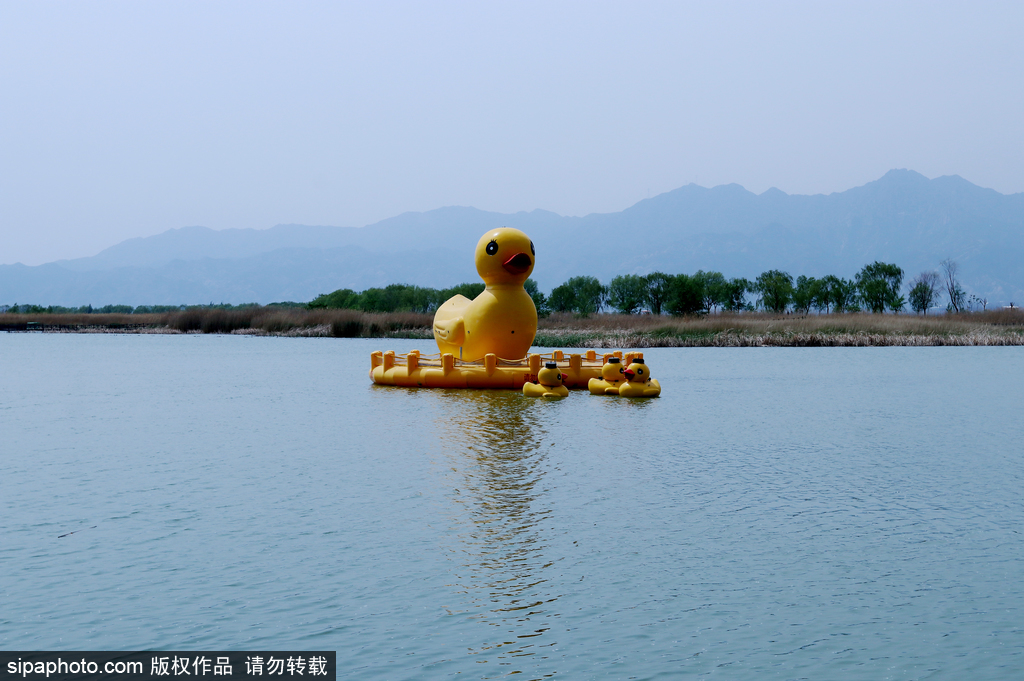
Here, you can discover many different plant species and occasionally hear the crisp calls of wild ducks on the water's surface, their sounds blending beautifully with the scenic reeds, creating a truly "poetic" atmosphere.
A round trip around Yeya Hu is about 4-5 kilometers. The best way to enjoy a leisurely stroll is to rent a bike within the scenic area. There is a bike path that circles the lake, allowing you to ride and explore while taking in the beautiful scenery of the surrounding grasslands. Additionally, you can also take a boat ride on the lake.
What to see at Yeya Hu? The Yeya Hu Wetland Museum. This museum focuses on wetland education and features a sand table model showcasing the wetland ecosystem. It is the first wetland museum in North China and consists of six exhibition halls. The content is divided into four sections: Entering Yeya Hu Wetland, Understanding Wetlands, Overview of Yeya Hu Wetland, and Protecting Yeya Hu Wetland.
What to feed at Yeyahu? Wild ducks. The ducks here are not afraid of people. Whenever visitors approach the lake, the ducks will come over in groups, eagerly looking for food, which is quite amusing. Besides wild ducks, you can also often see swans and other birds in the lake, making it a great place to bring children to watch and feed the animals. Of course, it's important to feed the ducks responsibly and to follow the guidance and instructions from the staff.
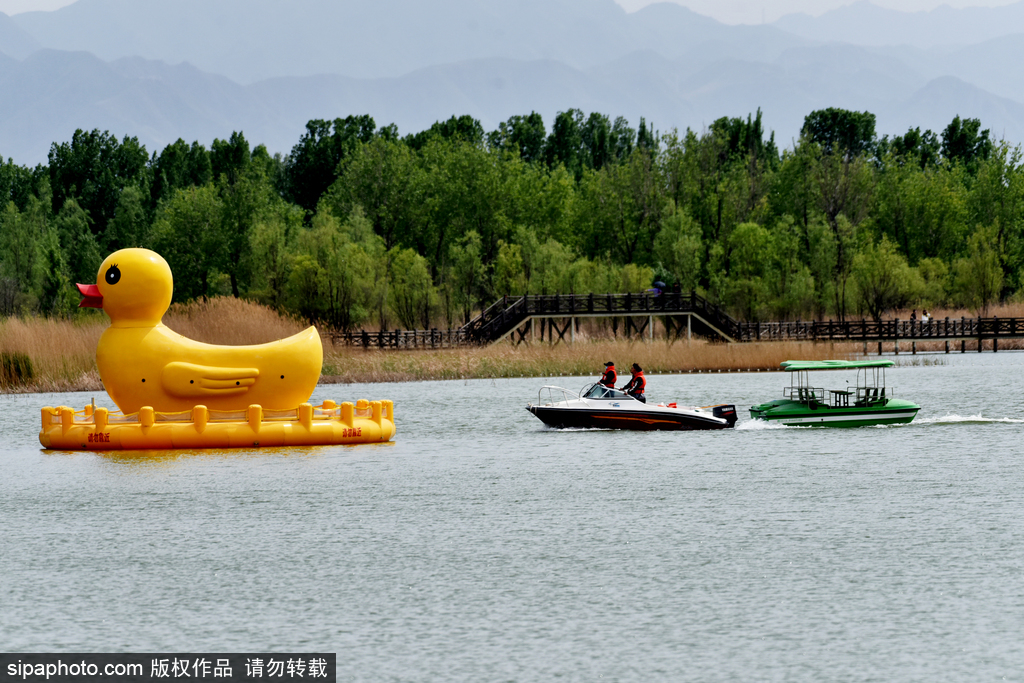
What to eat at Yeyahu? It's not duck; it's fish—specifically, a whole fish banquet. The restaurant at Yeyahu specializes in serving fresh live fish, allowing you to choose from various cooking styles. In addition, the local farmhouse cuisine is also quite good.
Remember this phrase from the Yeyahu Wetland Museum: "Wetlands have nurtured the brilliant civilization of China for five thousand years. Wetlands are the witnesses to the history of civilization. Wetlands are life support systems. Wetlands are the origin of biodiversity. Wetlands are the kidneys of cities, the cradle of life. Wetlands are a paradise for urban dwellers. The history of wetlands in Beijing is closely linked to the history of Beijing's civilization."
When you stroll at Yeyahu, you're not walking alone; you're walking with a group of wild ducks and countless birds that inhabit the area, experiencing the beautiful harmony between humans and nature together.