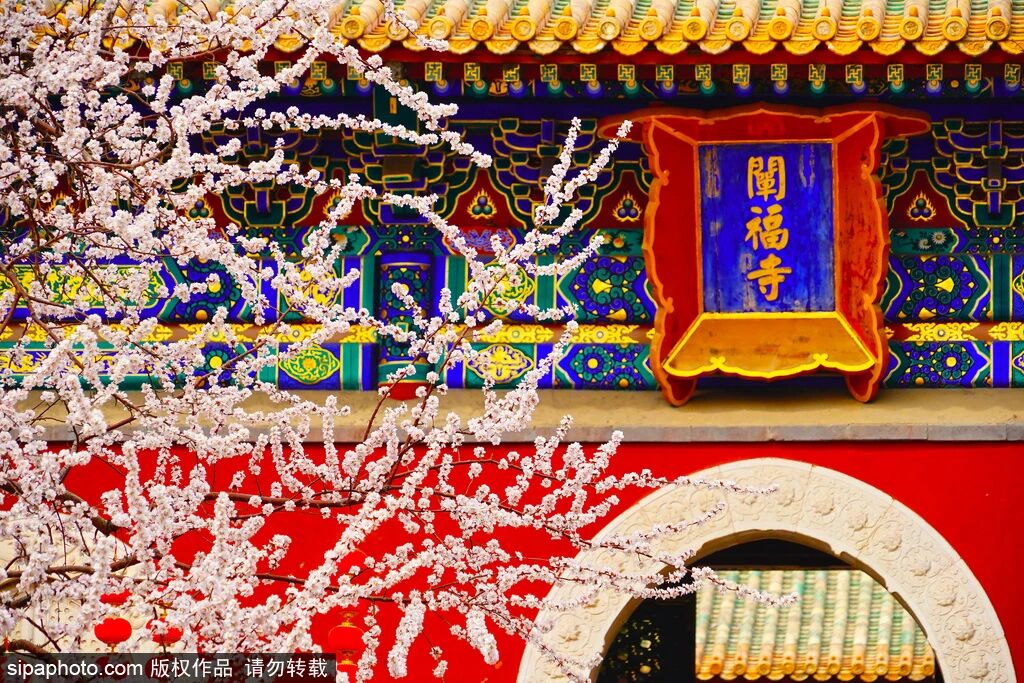
Snowy highlights: Huguosi Jie(St), Shichahai, Yandaixie Jie(St), Nanluoguxiang, Jingshan Park

Huguosi Jie(St), named after Huguo Temple, stretches approximately 600 meters from Xinjiekou Nandajie(St) to Deshengmen Neidajie(St). Originally called "Dalongshan Huguo Temple" during the Ming Dynasty, it is commonly referred to as "Hukou Temple" among locals. The street is bustling with merchants and retains notable sites like the former residence of Mei Lanfang, the People's Theatre, and snack shops, offering over a hundred types of regional delicacies. Walking along this street, one can feel the vibrant atmosphere of old Beijing and its unique culture, often frequented by older locals enjoying fried dough rings and Douzhi.

Continuing east from Huguosi Jie(St) and crossing Deshengmen Neidajie(St) leads you to the Shichahai area, a historical district formerly known for the ten Buddhist temples that once surrounded it. Ancient poets praised Shichahai's charm with lines like "West Lake in spring, Qinhuai in summer, Dongting in autumn." The scenic beauty of Shichahai has earned it the title of "Northern Water Town". In winter, Shichahai becomes one of the most attractive natural ice skating rinks in Beijing, also boasting a long history as an ice skating venue. During the winter months, Shichahai evokes many childhood memories for Beijingers. The ancient architecture, the frozen lake, the lively skaters, and the leisurely visitors create a particularly enchanting winter scene that is truly appealing. Families can take children to Shichahai to ride ice bicycles, skate, or enjoy double ice cream carts and sleds, experiencing a different kind of fun. For countless people in Beijing, the Shichahai ice rink holds countless joyful memories of their innocent years.

After skating, you can head to Yandai Xiejie(St), one of the oldest commercial streets in Beijing, measuring just over 200 meters. During the Qing Dynasty, it primarily sold smoking accessories and antiques. The narrow, sloping street resembles a tobacco pipe, which is how it got its name. The buildings on either side are simple yet elegant, showcasing traditional Ming and Qing styles, with the front shop and back residence format reflecting the rich local culture and the essence of old Beijing. Strolling through the hutongs, you can admire their architecture, learn about courtyard residences, and feel the vibrant life of old Beijing. At the junction of Qianhai and Houhai lies the famous Yinding Qiao (Bridge), where one can see "Xishan Qingxue", one of the Eight Scenic Spots of Yanjing, on a sunny day after snow.
Nearby trendy spot:

Nanluoguxiang is one of Beijing's oldest neighborhoods, known for its well-preserved courtyard areas. The street runs north-south, with eight hutongs arranged in an orderly manner, resembling a "fishbone" or a "centipede", hence also referred to as "Centipede Alley". The homes of famous figures like Mao Dun and Qi Baishi can be found here, along with the renowned Central Academy of Drama. This area is filled with quaint shops and courtyards, exuding a unique charm and a lively atmosphere, with artistic flair and international vibes that can only be truly appreciated in person and shared with friends. Imagine being here on a snowy day, holding a warm drink, walking on the snow-covered path, and savoring the unique flavor of winter in the ancient capital of Beijing.