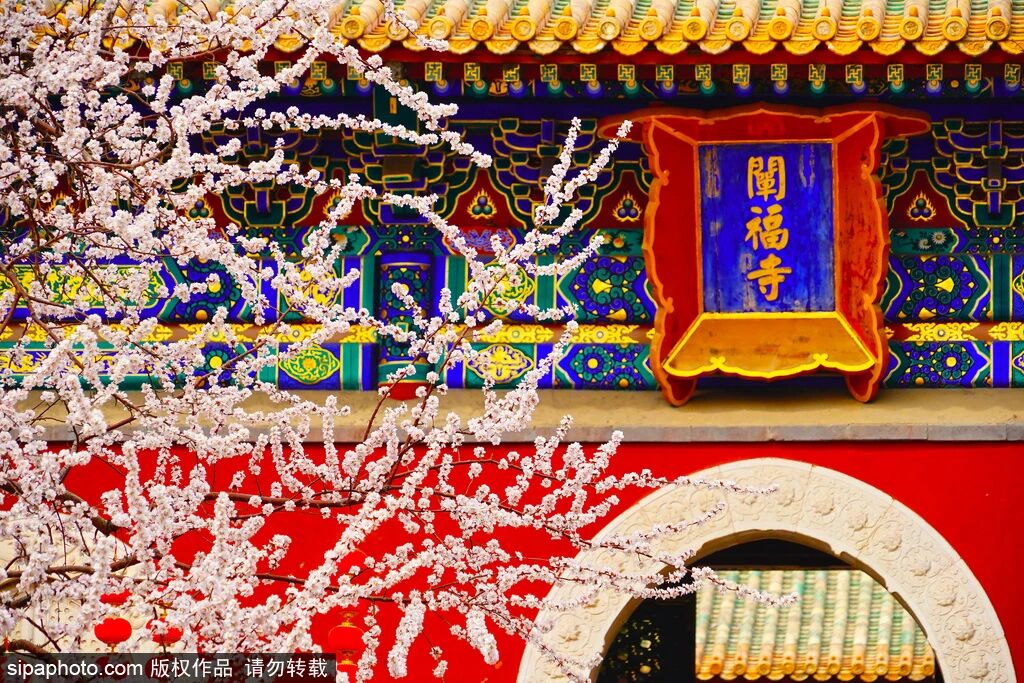
Dongzhi, or the Winter Solstice, is the fourth solar term of winter. The character "zhi" in Dongzhi refers to the extreme point; from this time forward, the sun reaches its lowest point in the southern hemisphere before turning north, marking the onset of the coldest period of the year. This day also represents the shortest daytime and the longest night of the year.
Dongzhi is one of the "Four Seasons and Eight Solar Terms". The four seasons refer to spring, summer, autumn, and winter, while the eight solar terms include Lichun (Beginning of Spring), Chunfen (Spring Equinox), Lixia (Beginning of Summer), Xiazhi (Summer Solstice), Liqiu (Beginning of Autumn), Qiufen (Autumn Equinox), Lidong (Beginning of Winter), and Dongzhi (Winter Solstice). Dongzhi holds significance in Chinese culture as both a solar term and a traditional holiday for ancestral worship. In ancient times, it was often said, "Dongzhi is as significant as the Spring Festival."
Meteorological conditions

Around the time of Dongzhi, although the Northern Hemisphere experiences the shortest daylight hours and the least solar radiation, the heat accumulated in the ground during summer can still provide some warmth. Therefore, temperatures are not at their lowest during this period. The saying "After Dongzhi, the days grow longer" reflects that daylight begins to increase, but the ground still receives less solar radiation than it loses, causing temperatures to continue to decline in the short term.
Customs

Eating Dumplings in northern China, eating Tangyuan in southern China: In northern China, dumplings are a must-have dish during the lunar Dongzhi. In southern regions, it is customary to eat Tangyuan, which symbolize reunion and completeness; this practice is also known as "Dongzhi Tuan".
Shujiu, or "Counting the Nines of Winter": This tradition begins the day after Dongzhi. Counting nine days marks the first "nine," followed by another nine days for the second "nine", and so on, until reaching the ninth "nine," which occurs 81 days after Dongzhi, indicating that the weather is starting to warm up.