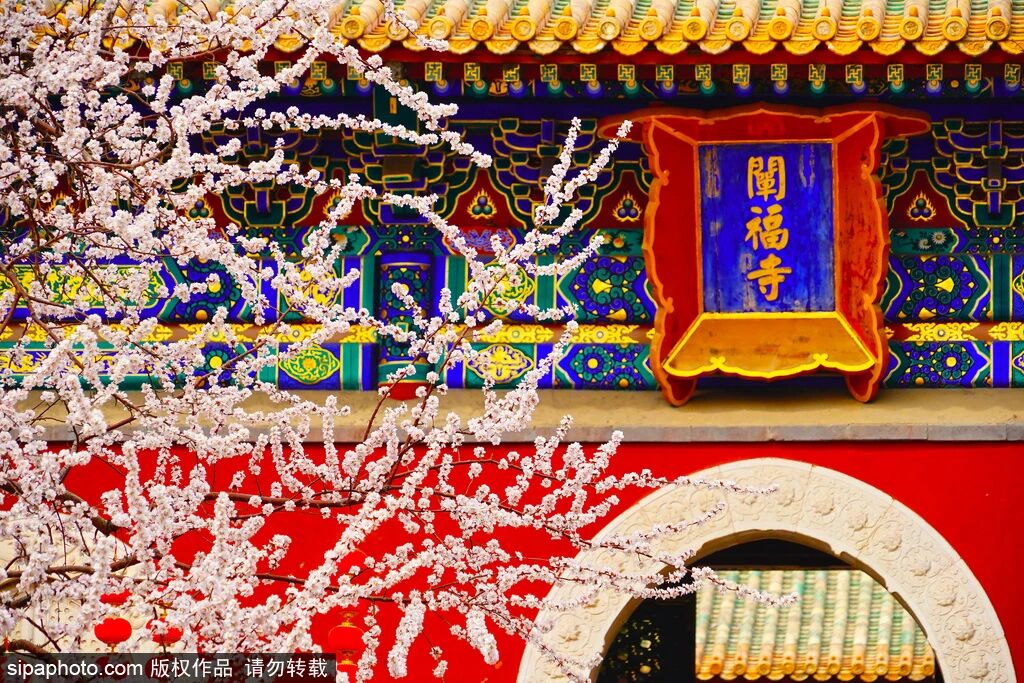
Hanlu, or Cold Dew, is the fifth solar term of autumn. As deep autumn arrives and chilly winds blow, the sun reaches a longitude of 195°, typically between October 7 and 9 each year. As the sun’s direct rays continue to move south from the equator, the solar heat received by the northern hemisphere decreases, leading to a drop in temperature. The dew becomes colder and is on the verge of freezing into frost, hence the name "Hanlu (Cold Dew)".
Meteorological conditions
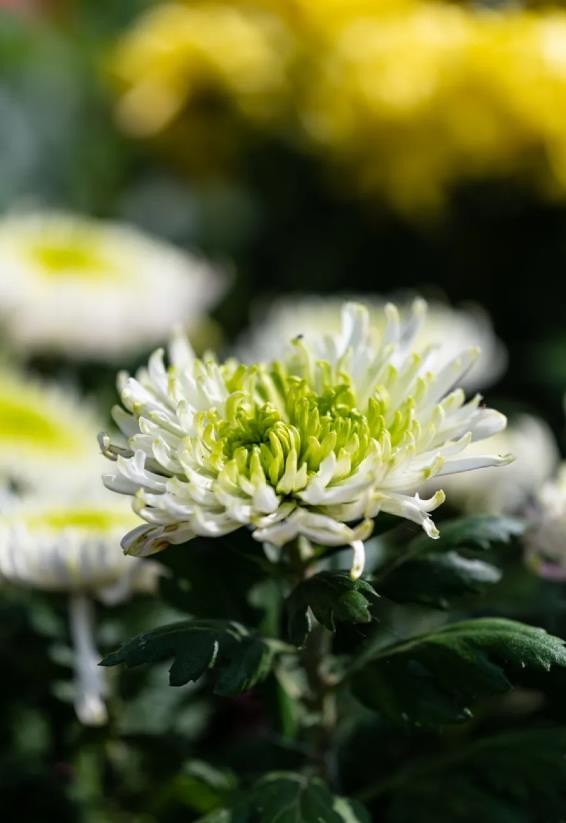
The weather during Hanlu changes rapidly. On average across the country, it is the solar term with the fastest rate of decreasing precipitation and the largest drop in average temperature.
Cultural significance
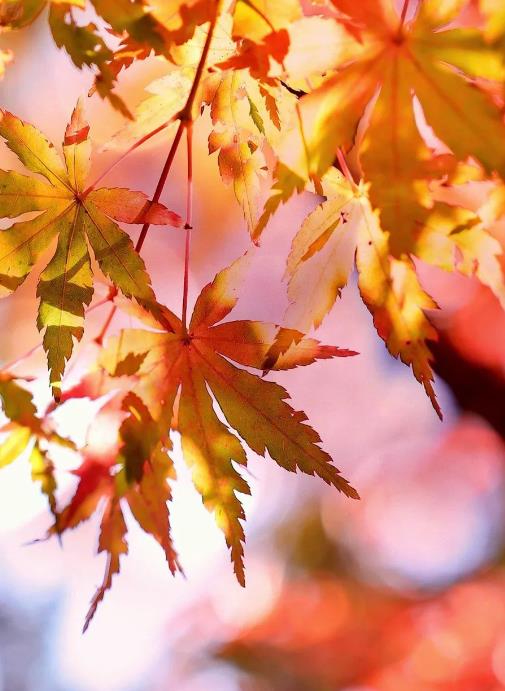
Traditional customs during Hanlu include appreciating maple leaves, eating sesame, enjoying crabs, and drinking autumn tea. As the weather turns colder, people adapt to these changes by focusing on nourishing yin and preventing dryness, leading to the custom of "eating sesame during Hanlu", as sesame is known for its ability to moisten the intestines and detoxify.
The refreshing weather of Hanlu is ideal for outdoor activities, and it coincides closely with the Chongyang Festival, leading to the custom of climbing high places, symbolizing "rising step by step" and wishing for longevity. This climbing tradition is particularly popular in regions north of the Yellow River. It’s also a great time for enjoying the fall foliage; climbing mountains to appreciate the vibrant red leaves has become a popular outdoor activity in northern China during this season.