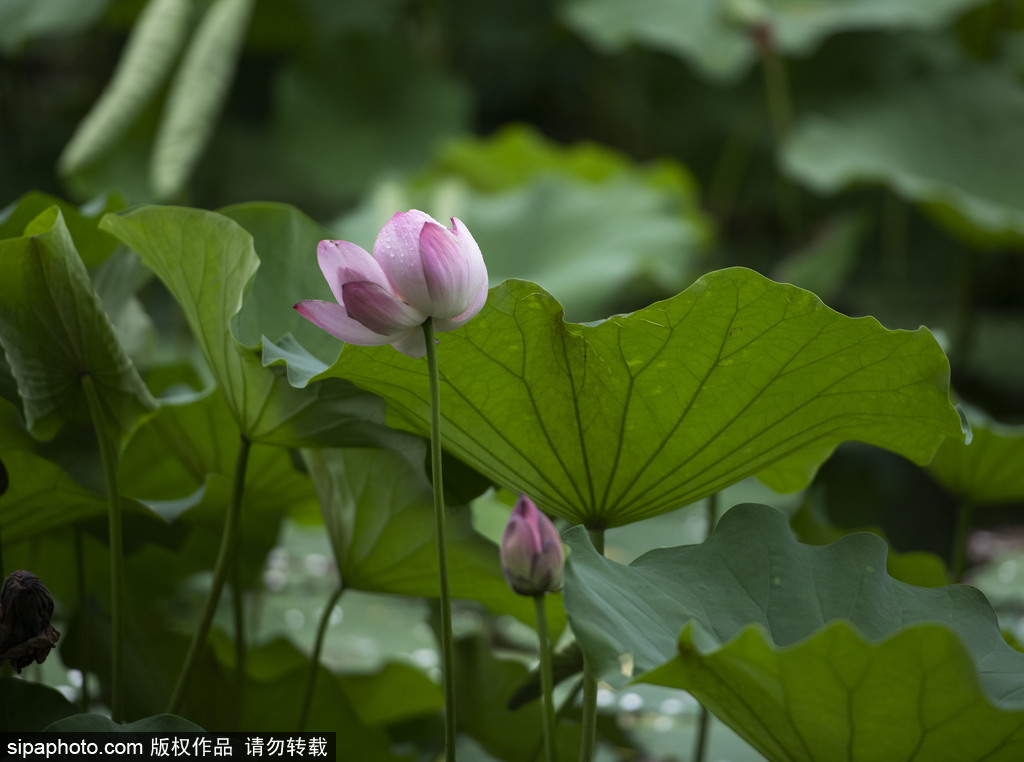
The Summer Solstice is the tenth solar term in the twenty-four solar terms. It marks the shortest night and longest day of the year in the Northern Hemisphere, with daylight extending longer and nighttime becoming shorter as one moves northward.
Meteorological conditions
After the Summer Solstice, various regions in China enter the peak of summer, characterized by high temperatures and humidity, along with frequent thunderstorms.
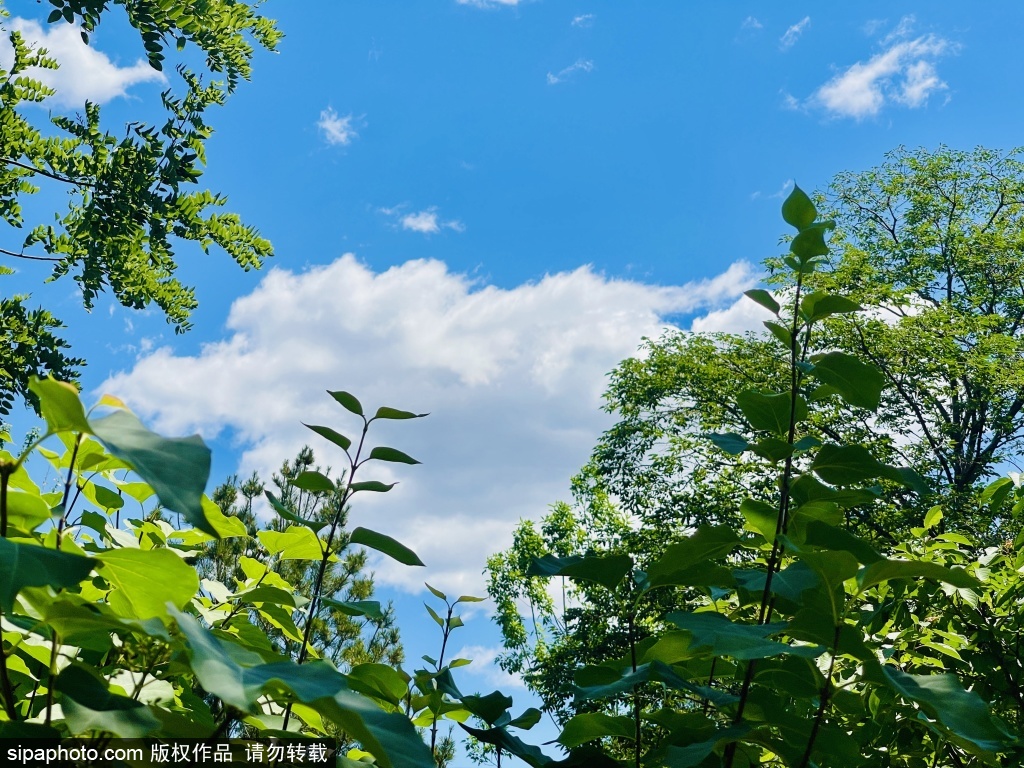
Due to the greater heat from solar radiation compared to the heat radiating back into the atmosphere, temperatures continue to rise for a while after the Summer Solstice. This leads to the saying, "The summer is not hot enough until Summer Solstice."
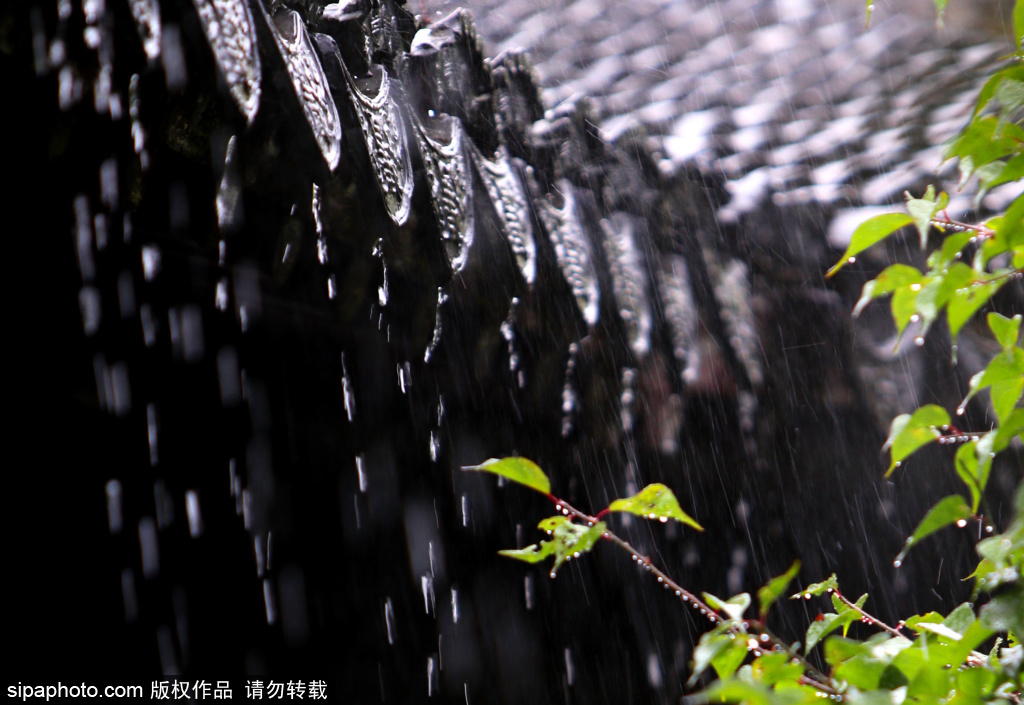
In addition to continuous rain, thunderstorms are also common after the Summer Solstice. These storms are caused by vigorous air convection and tend to come and go quickly, affecting small areas.
Cultural significance
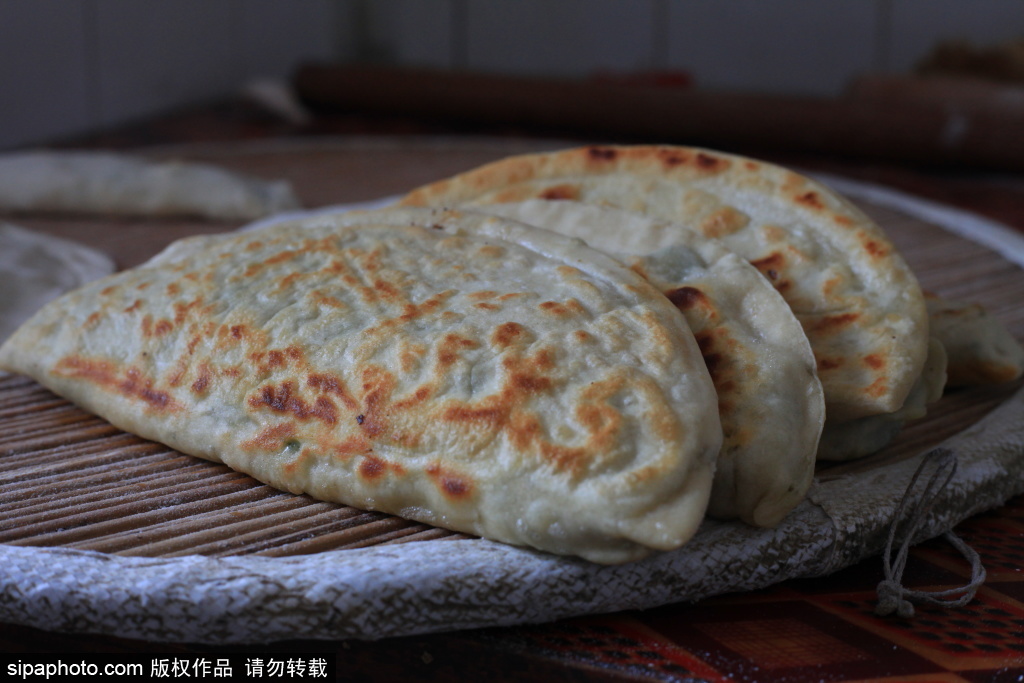

Eating noodles and pancakes: Like the Winter Solstice, the Summer Solstice is an important folk festival in China, historically regarded as one of the "Four Seasons and Eight Festivals". There is a saying in some parts of China, "Dumplings for Winter Solstice, noodles for Summer Solstice," making the consumption of noodles a significant custom. With the arrival of new wheat, eating noodles on the Summer Solstice also symbolizes trying something new.
In Beijing, people emphasize eating noodles on this day. According to old customs, when the Summer Solstice arrives, locals enjoy fresh lettuce and cold noodles, as the hot weather makes cold dishes appetizing while helping to cool the body without causing harm from excessive coldness. After the Summer Solstice, it is also common to consume cooling soups, herbal teas, and sour plum drinks to beat the heat.
Singing the nine-nine song: Just as there is a nine-nine song for the Winter Solstice, there is also one for the Summer Solstice. The Summer nine-nine song is meant for cooling off, and ancient people devised a method to count the "nines" (referring to the nine days of each ten-day period), recording it in catchy rhymes that are easy to remember and understand. The lyrics vividly reflect people's feelings, expressions, and actions regarding the changes in summer weather.