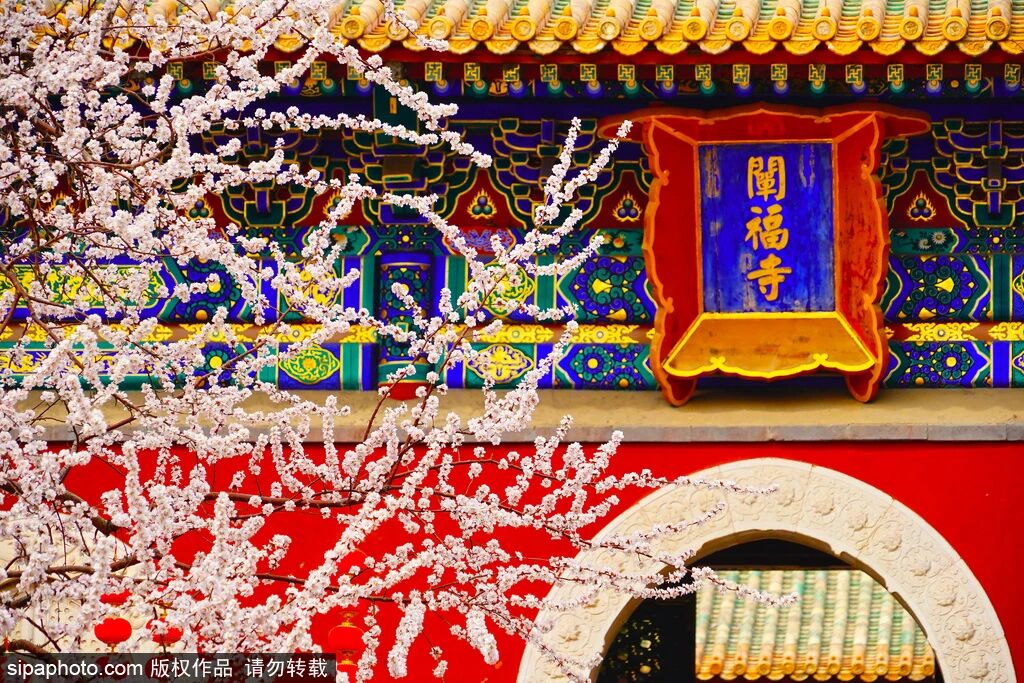
Grain Rain, which occurs between April 19 and 21 each year when the sun reaches a longitude of 30 degrees, marks the final solar term of spring.

Grain Rain originates from the old saying, "Rain brings up the growth of hundreds of grains," signifying the transition from spring to summer.
Meteorological conditions
Continuous spring rain is the defining characteristic of the Grain Rain solar term.
In the northwestern and northern regions of China, spring precipitation accounts for about one-tenth of the annual total. After Grain Rain, as temperatures rise, strong winds become more frequent, leading to intense evaporation and an increased risk of drought. In such conditions, rainfall becomes extremely valuable, giving rise to the saying "the rainfall in spring is as precious as oil."
In contrast, in the lower reaches of the Yangtze River and the Jiangnan region, rainfall becomes significantly more abundant with the arrival of Grain Rain. Particularly in south China, when cold air meets warm, moist air, it often results in prolonged rainfall, signaling the onset of the annual flood season.
Cultural significance

During the Grain Rain period, customs such as drinking Grain Rain tea, eating fresh Chinese toon, admiring peonies, and participating in various activities are widely practiced.

In the south, the spring tea harvested during Grain Rain is referred to as "Grain Rain tea". It is known for its delicate fragrance and exceptional flavor, as well as its effectiveness in clearing heat. In the north, there is a tradition of eating Chinese toon, also known as "eating spring", as this is the season when it becomes available.

Since the Han Dynasty, there has been a custom in Baishui County, Shaanxi Province, of honoring Cang Jie, the legendary creator of Chinese characters, during the Grain Rain period. According to legend, Cang Jie's invention of characters was so remarkable that the Yellow Emperor rewarded him with "rain of millet from the heavens," leading to the naming of the Grain Rain festival.