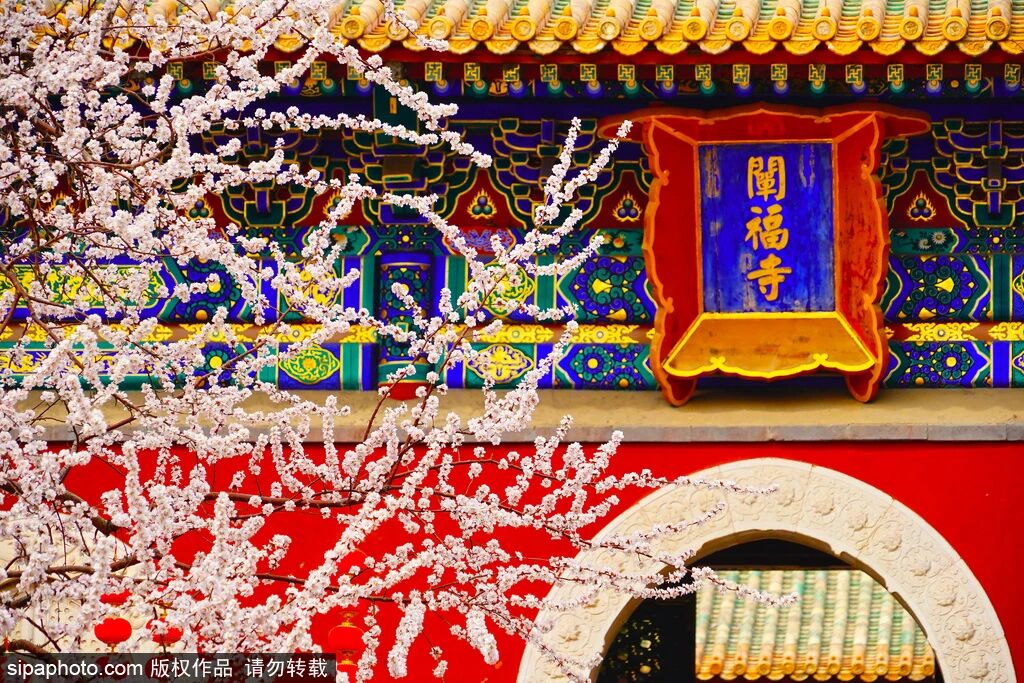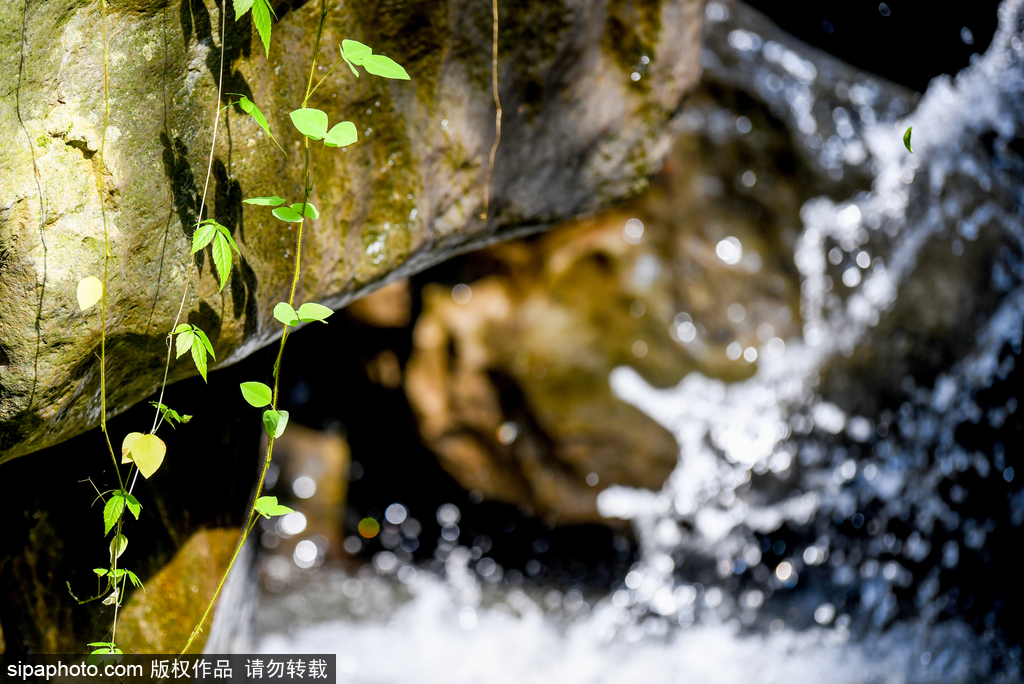
Rain Water is the second of the twenty-four solar terms. With the arrival of this term, the harsh winter winds and swirling snowflakes begin to fade, giving way to gentle sunshine and light rain that nourish the early spring earth.
Meteorological conditions
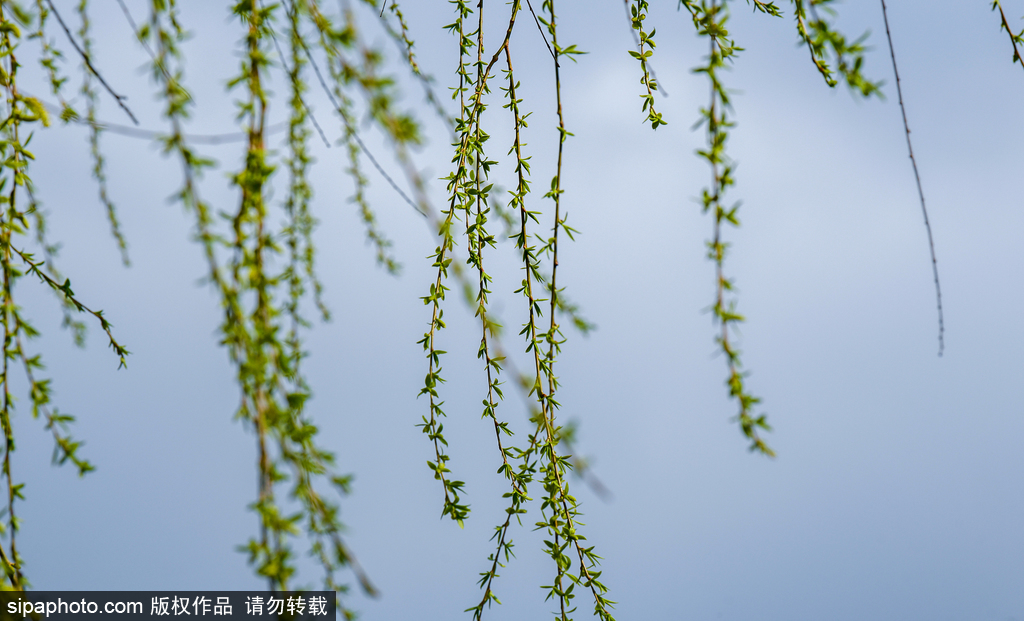
As the Rain Water term arrives, the snow on the ground and ice in rivers start to melt, leading to an increase in precipitation and a gradual warming of the air. The predominant form is light rain that "quietly nourishes" the earth, while snowfall decreases. Compared to the Beginning of Spring, the average nationwide precipitation increases by 21% during Rain Water; most regions see temperatures rise above 0°C, with the Huang-Huai Plain averaging around 3°C.
The transition from snow to rain and from freezing to thawing is energy-intensive, resulting in fluctuating temperatures during this period. Hence, it's common to experience warm yet chilly weather with significant day-night temperature differences, making it important to dress appropriately and stay alert to weather changes to avoid catching a cold.
The floral symbols of Rain Water include rapeseed flowers, apricot blossoms, and plum blossoms.
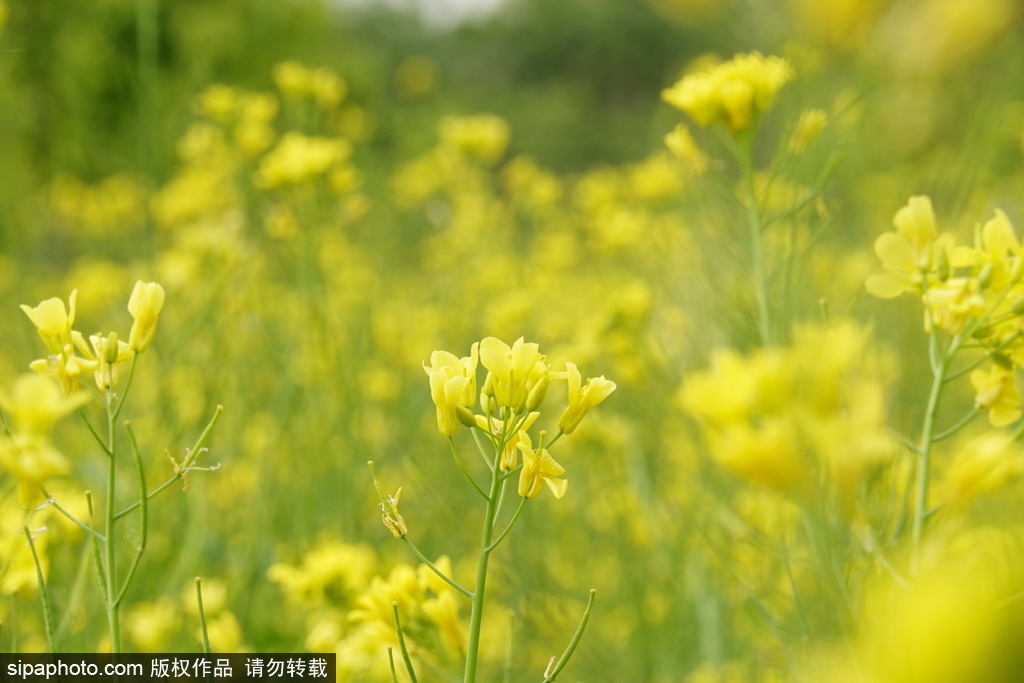
Rapeseed Flowers: The vibrant yellow of rapeseed flowers signifies the arrival of spring. Around the Rain Water term, regions from south to north in China enter the best viewing period for these flowers, creating stunning landscapes of golden blooms.
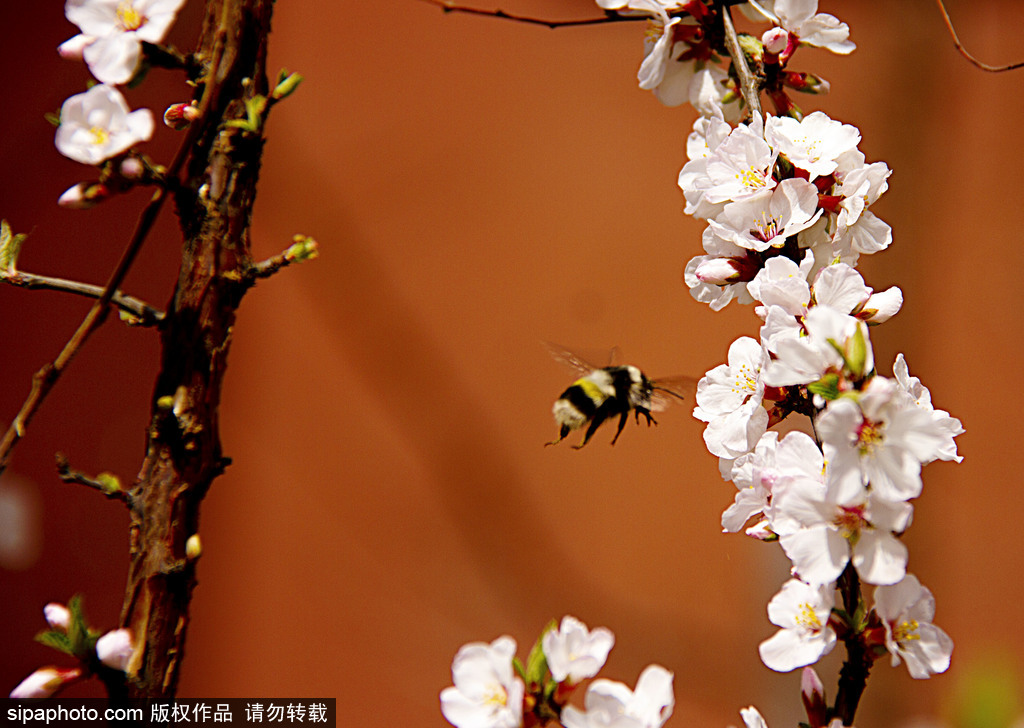
Apricot Blossoms: After the spring rain, the delicate apricot blossoms adorn the branches, heralding the arrival of true spring, much like the overture of a grand performance.
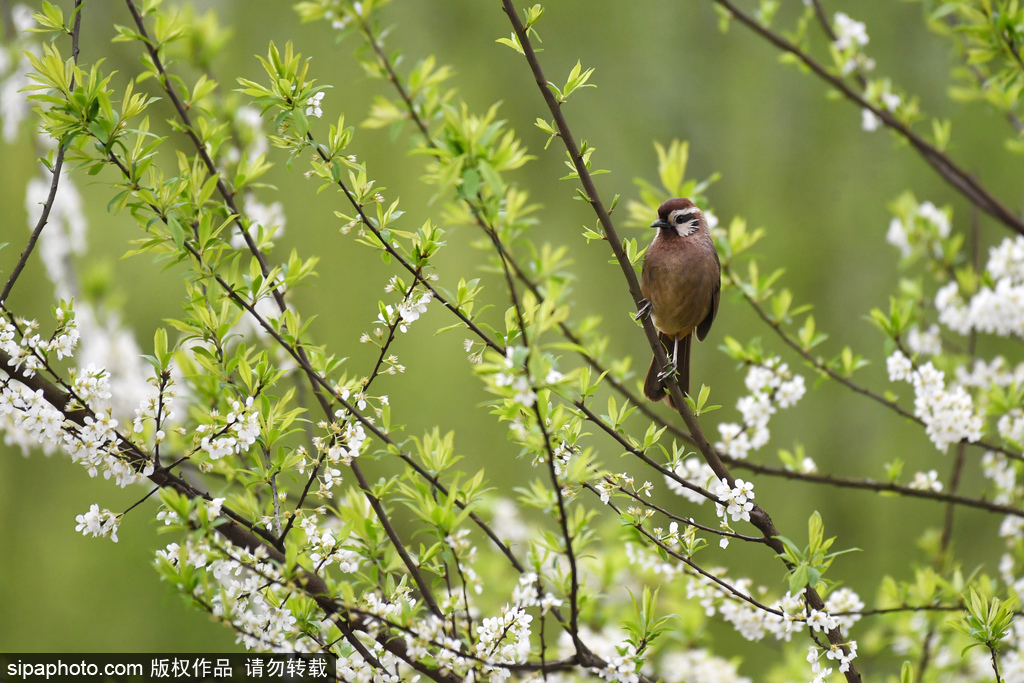
Plum Blossoms: From afar, one can see clusters of white plum blossoms on the hills, reminiscent of early winter snow, waiting to be awakened by the fragrant breeze.
Cultural significance
"Returning to Mother's House on the Rain Water" is a custom of the Han people in western Sichuan province. During this time, married daughters bring gifts to visit their parents. Women with children are expected to bring gifts such as canned meat and rattan chairs to express gratitude for their parents' upbringing.