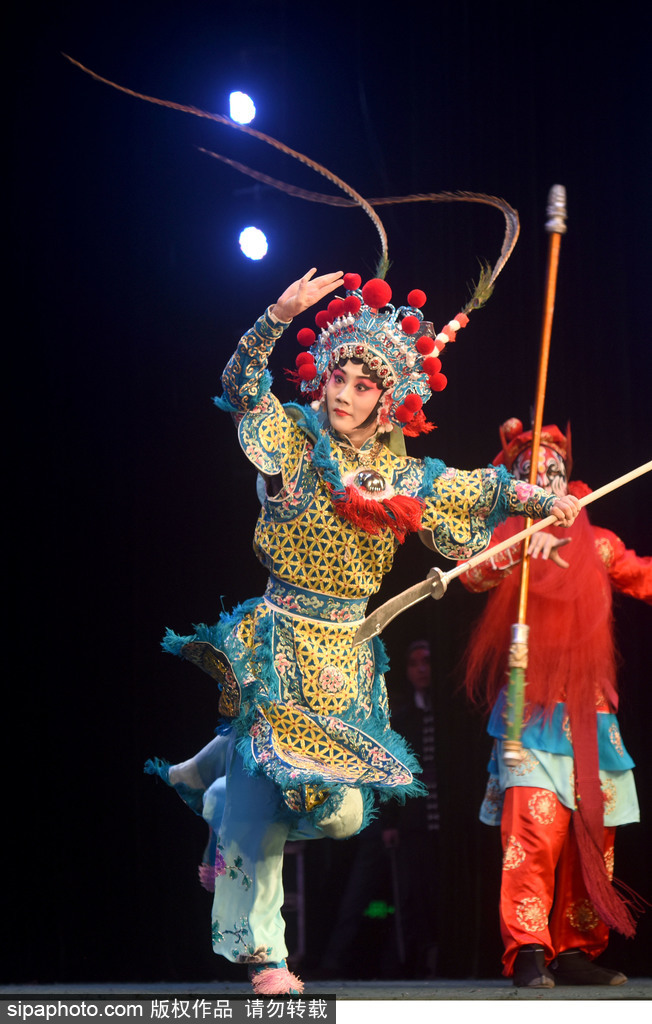
Beijing Opera, also known as Ping Opera or Peking Opera, is one of the quintessence of China and the most influential operas in China. with Beijing as the center and spreading all over the country. Beijing Opera has a set of standardized forms of artistic expression in literature, performance, music, stage art and other aspects. The current roles of Beijing Opera are divided into four categories: Sheng, Dan, Jing and Chou. Every role type has a set of performance forms. The skills of singing, recitation, acting and acrobatics have their own characteristics. The main content of Beijing Opera is historical stories. There are about 1,300 traditional operas, and more than 300 are often performed.
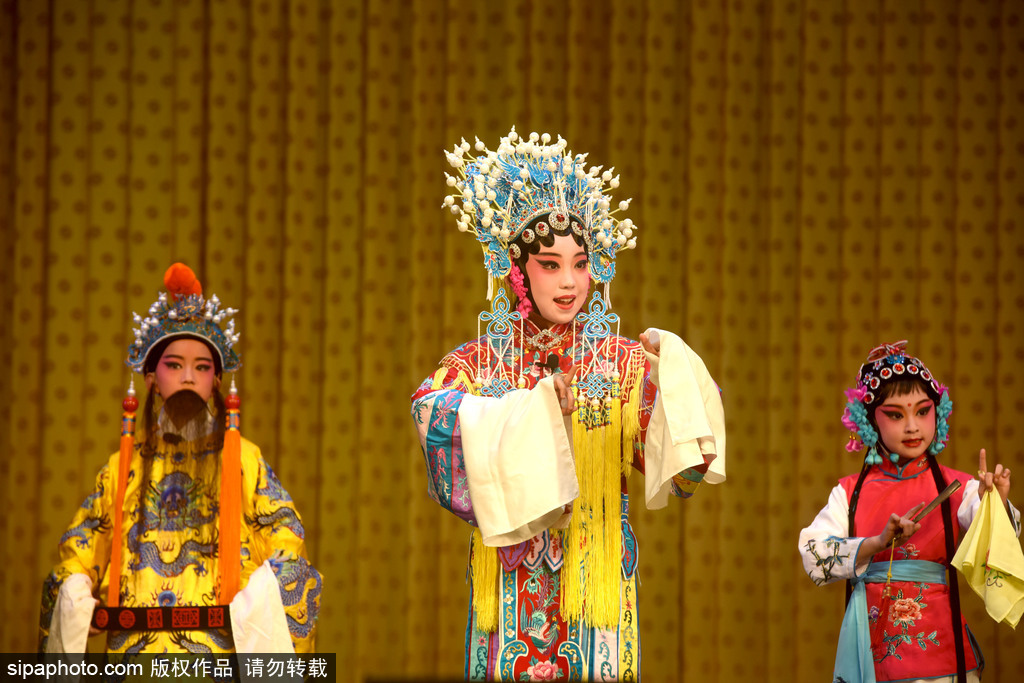
Beijing Opera is an important form of expression of traditional Chinese culture, and its various artistic elements are regarded as symbols of traditional Chinese culture. In 2010, Beijing Opera was included in the Representative List of the Intangible Cultural Heritage of Humanity on UNESCO's Intangible Cultural Heritage List.
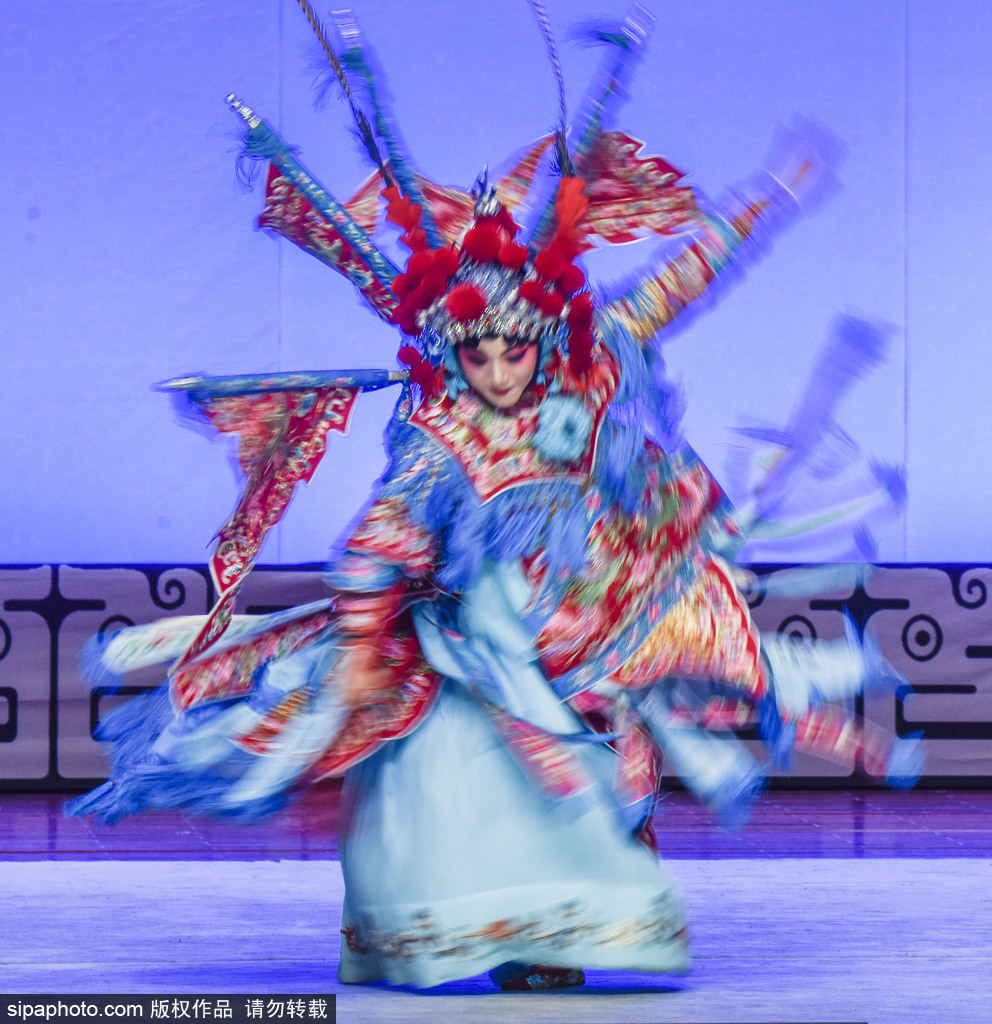
Tick off the cultural landmarks of Beijing Opera: Jingyun Park, Tianleyuan Theatre, Jixiang Theater
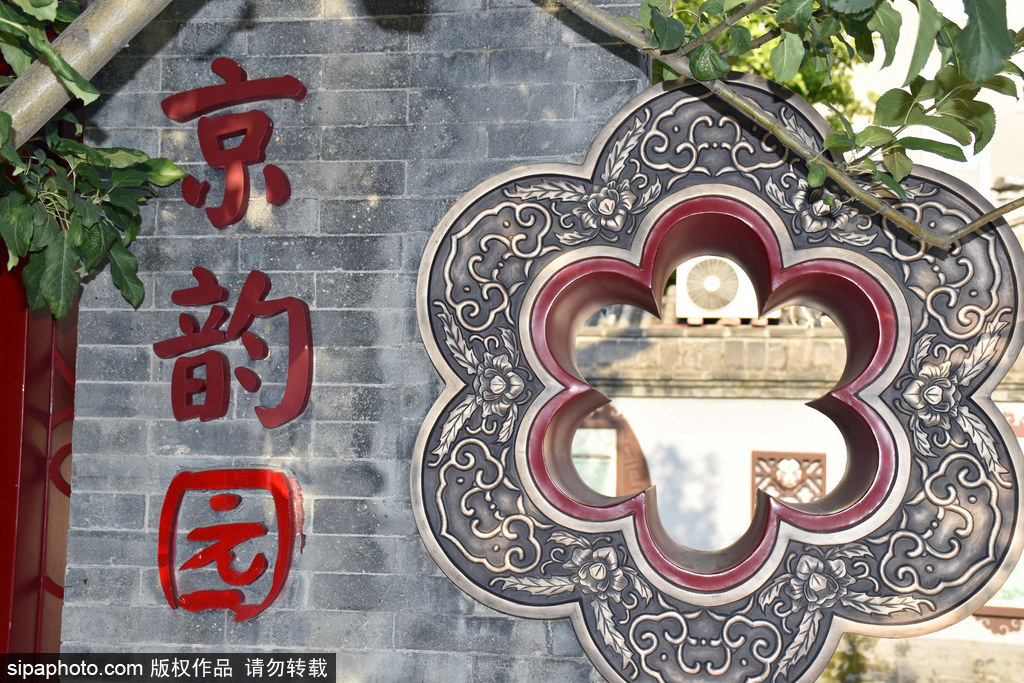
Jingyun Park
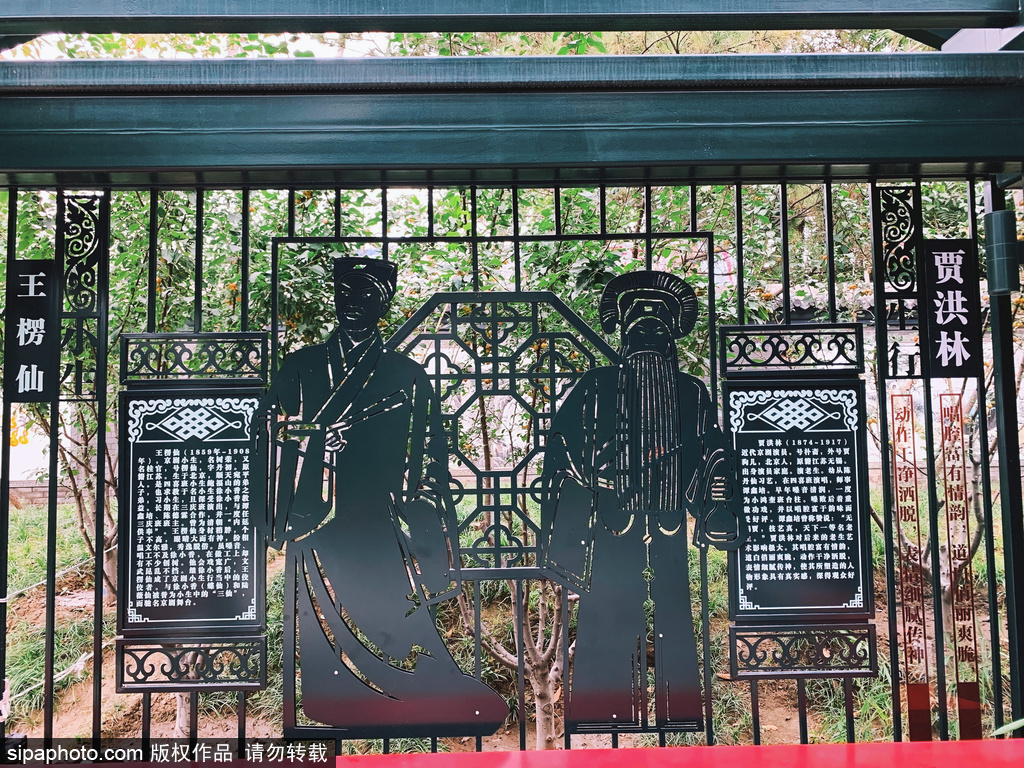
Jingyun Park is located in the southwest corner of Dashilan, Xicheng, west side of Ji Xiaolan's former residence in the north of Zhushikou Xidajie (St). Historically, the plot belongs to the west courtyard of Ji Xiaolan's former residence. In 1931, Mei Lanfang and others established the Beijing Chinese Opera Society in Ji Xiaolan's former residence, and later became the "Fuliancheng" Beijing Opera Class, giving Ji Xiaolan's former residence a Beijing Opera atmosphere.
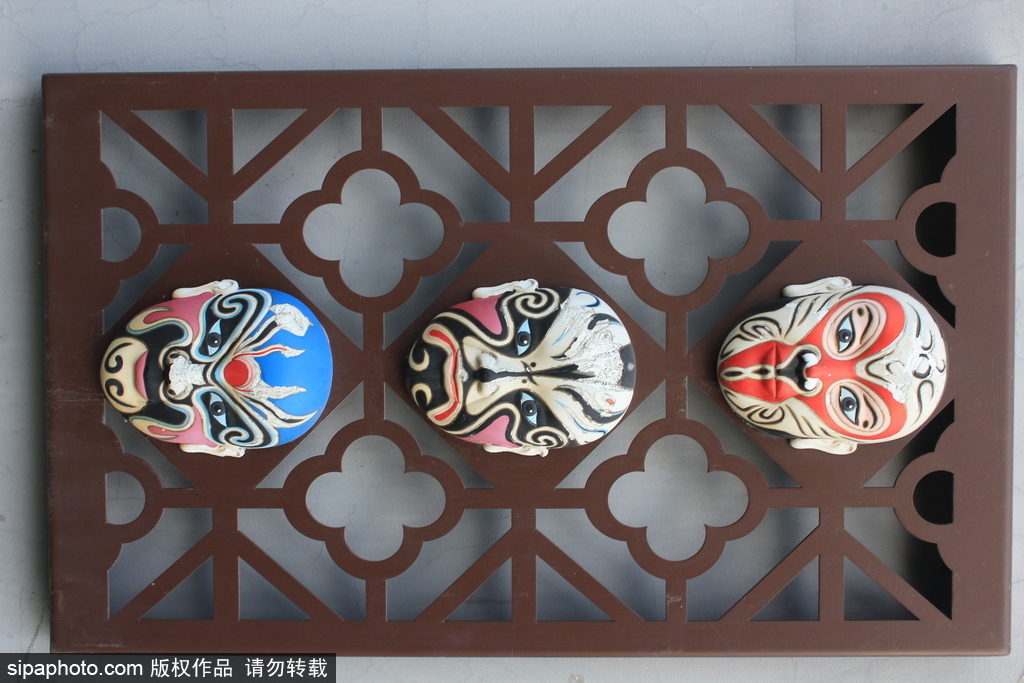
There are many hutong and alleys in Dashilan area where Jingyun Park is located. The hutong here has a long history and profound cultural heritage, and is a place where Liyuan culture, Beijing flavor culture and traditional commercial culture gather together. During the Qianlong period of Qing Dynasty, the four major Hui troupes of "Sanqing", "Chuntai", "Sixi" and "Hechun" successively entered Beijing to perform and became famous in China. During this period, the four major Hui troupes came to Beijing and their addresses were located near Dashilan: Sanqing live in Hanjiatan, Chuntai live in Baishun Hutong, Sixi live in Shaanxi Xiang, and Hechun live in Litieguai Xiejie (St). The coexistence and development of the four major Hui troupes made Dashilan area the birthplace of Beijing Opera.
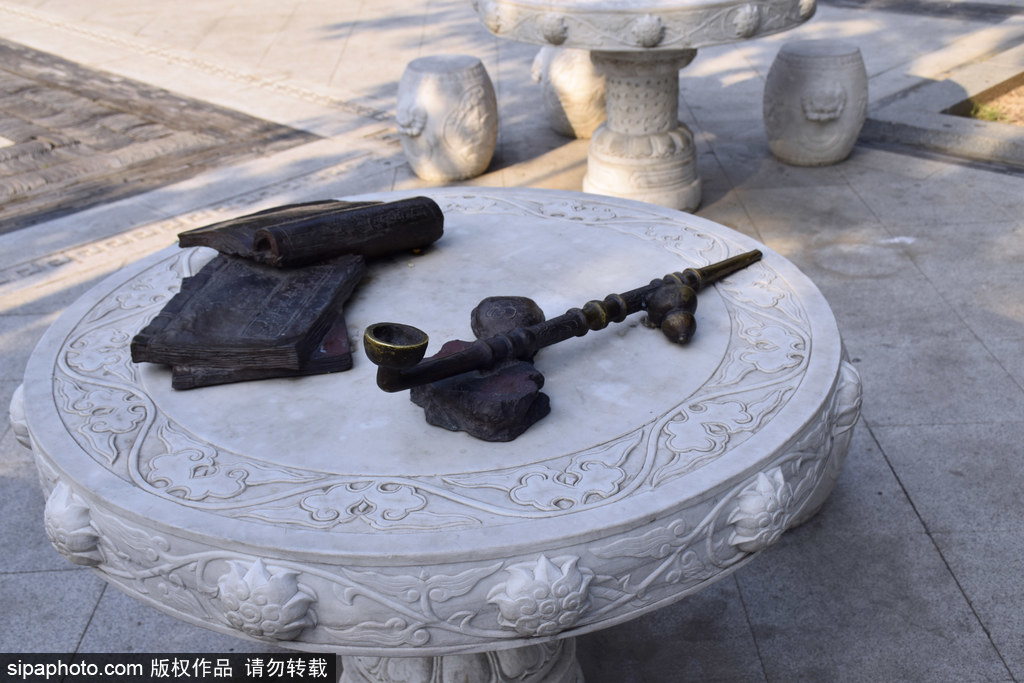
Tianleyuan Theatre
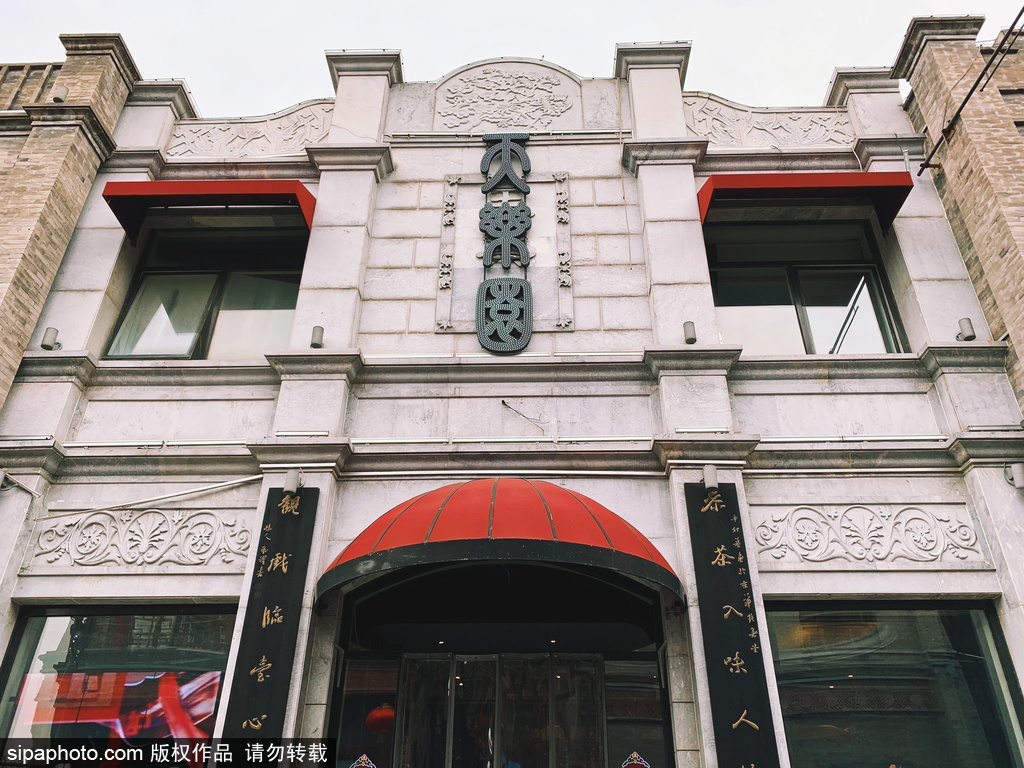
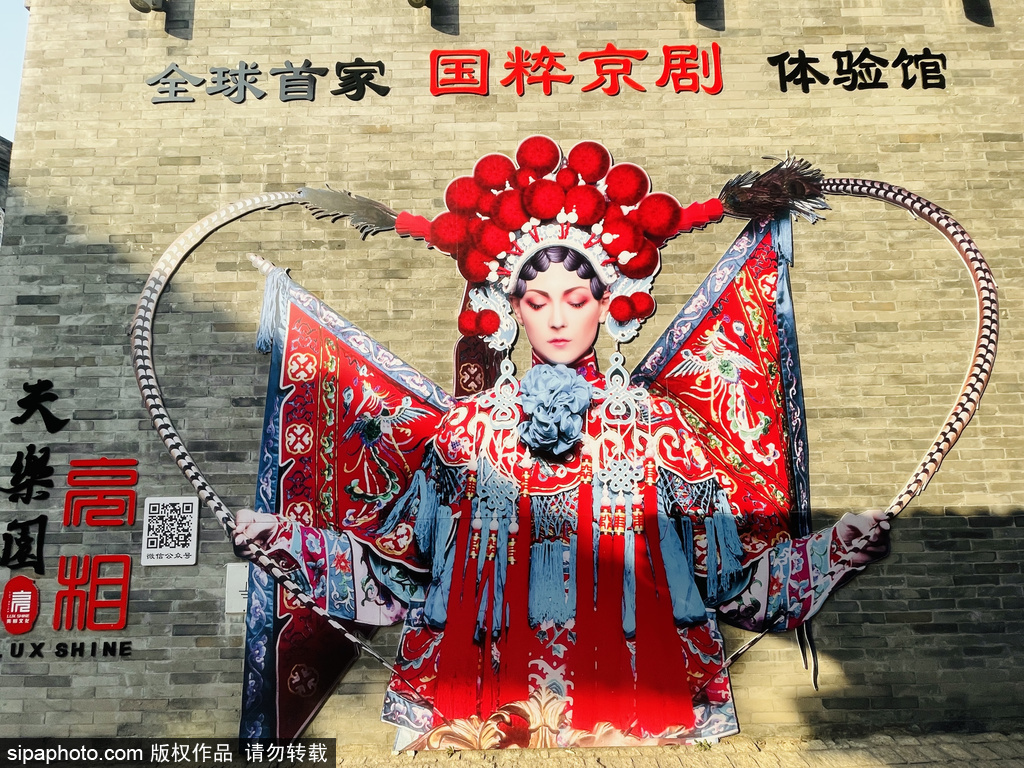
On the south side of Xianyukou Jie (St) in Qianmen Dajie (St) is located in a Tianleyuan, as a famous theatre in the Qing Dynasty, Tianleyuan has left countless famous actors: Mei Lanfang "debut" here, Cheng Yanqiu "fame" here, China's first female class "Chongya Society" was born here, the Kunqu master Han Shichang started here... Today, after more than 200 years of vicissitudes, the Tianleyuan Theatre has been renovated, creating the world's first Chinese Beijing Opera experience museum —"Lux Shinet Tianyuan".

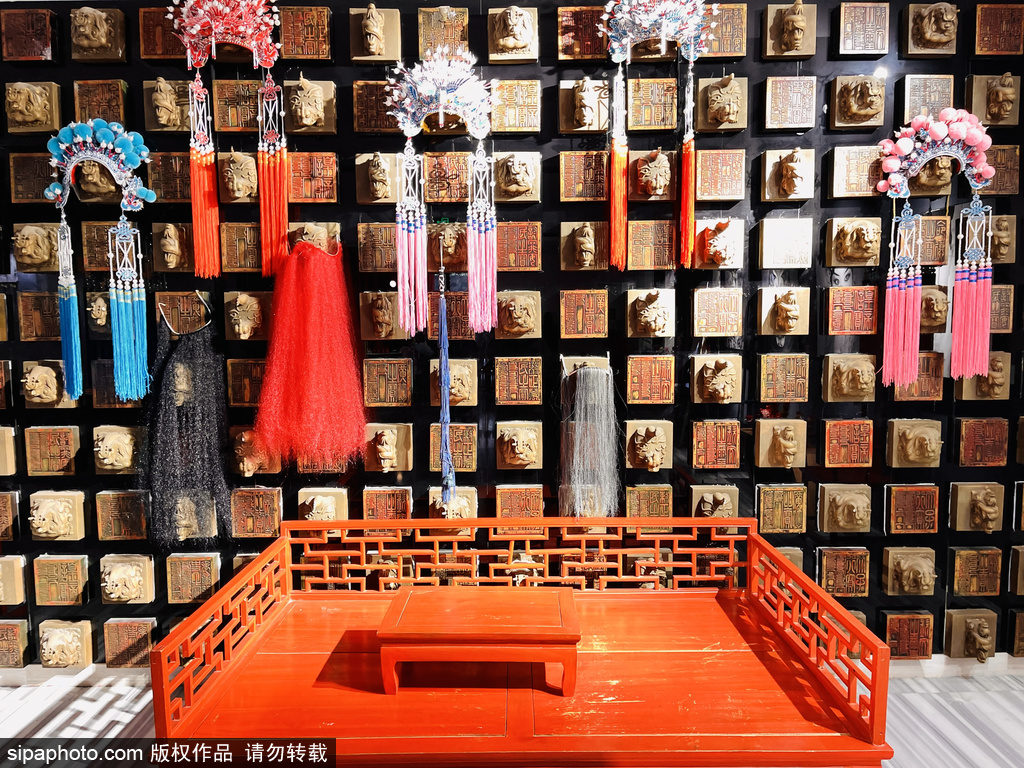
Here, visitors can experience the charm of Beijing Opera art up close and personal. In a colorful interactive experience, visitors can go on stage to experience the movements of Beijing Opera, make up facial painting and try on costumes, and explore the front and behind the stage of Beijing Opera, with Beijing Opera actors leading the way and understanding what is going on inside and outside the opera.
After visiting the Tianleyuan Theatre, walk out of Qianmen Dongdajie (St), and ride north along the road on the east side of the Tian'anmen Square, Dongchang'anjie(Ave), and Xiaowei Hutong for about 20 minutes to reach the fourth station Jixiang Theatre.
Jixiang Theatre
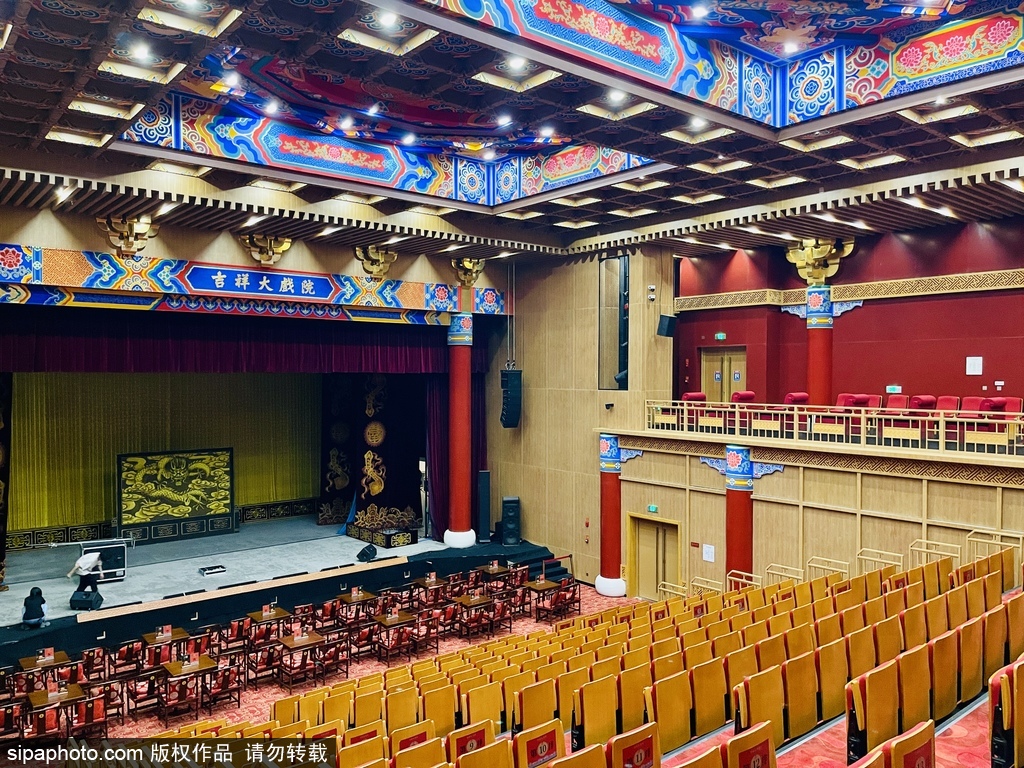
No. 14 Jinyu Hutong, Wangfujing Dajie (St), is the location of "Jixiang Tea Garden", the predecessor of Jixiang Theater. The Jixiang Tea Garden was later renamed Jixiang Garden, and the deepest relationship with the Jixiang Garden is the master Mei Lanfang, here is not only the later residence of the Mei Troupe, but also the "Feng Shui treasure of the Mei School of art" and "the base of Beijing Opera" said.
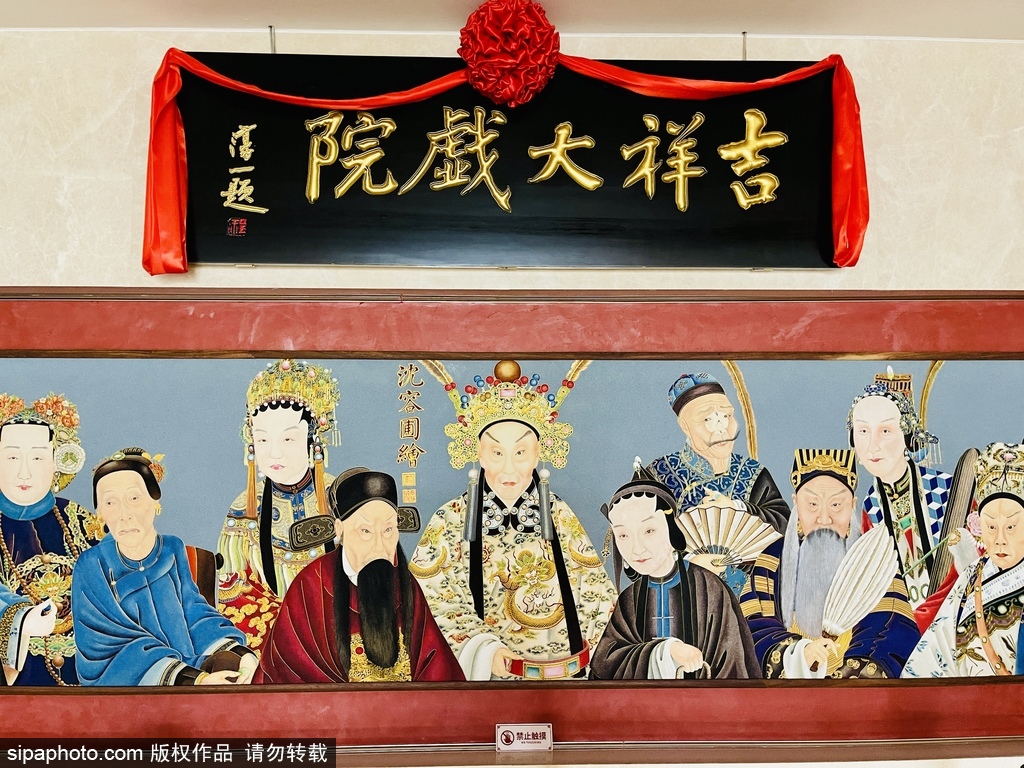
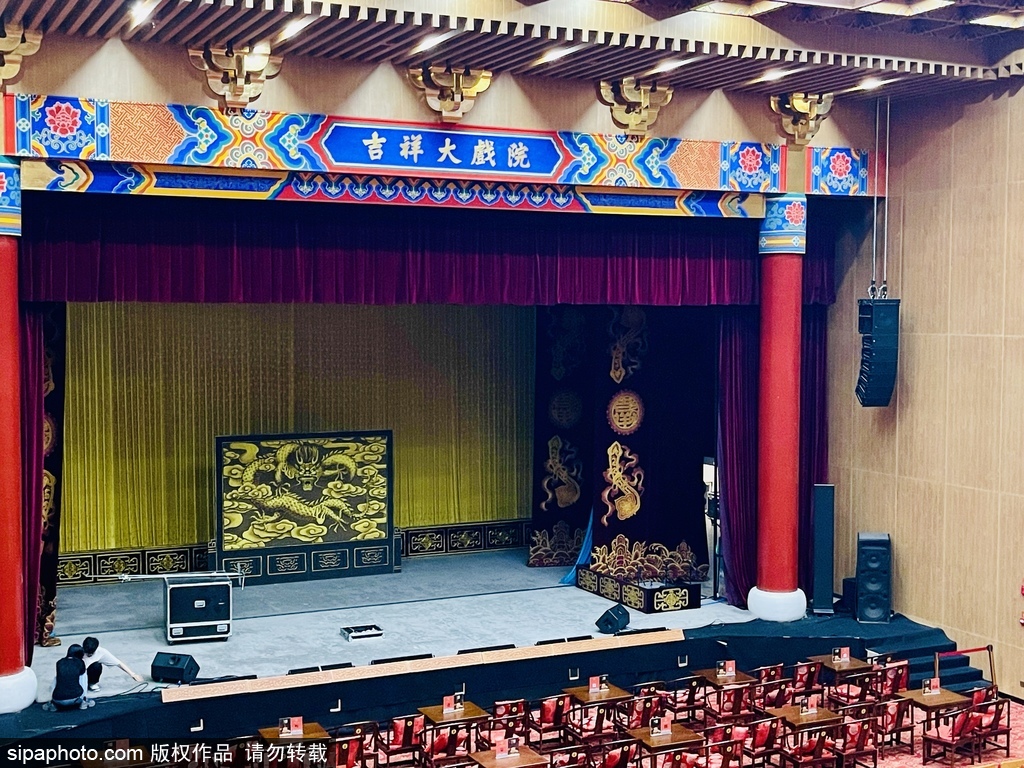
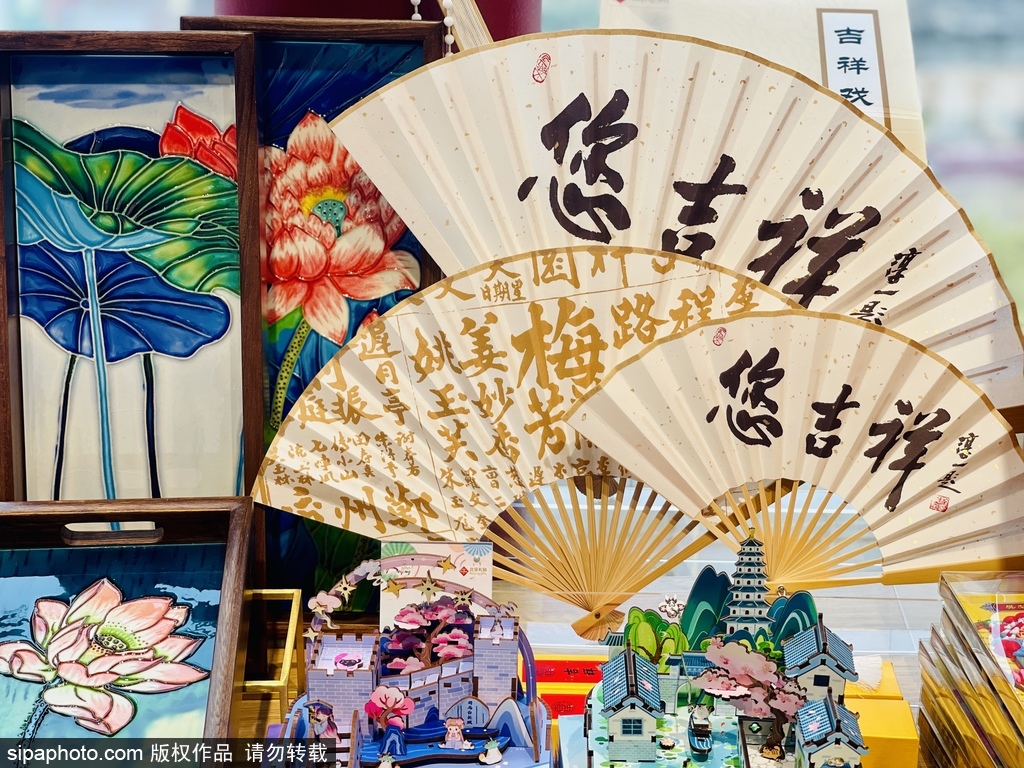
In 1993, the Jixiang Theatre was demolished for the overall development of the Wangfujing area. After 28 years, on May 23, 2021, Jixiang Theatre reopened on the seventh floor of Yintai in88 in Wangfujing. The interior of the theater is decorated with a large number of decorative paintings that symbolize auspiciousness and wealth. These antique paintings are all hand-painted by color painters. Entering the theater, you will have the feeling of returning to the old theater.