
Beijing Central Axis is not only the axis of royal residence but also the axis of the people's daily life. From the Yuan Dynasty to the present, the Beijing Central Axis has linked several residential areas, embodying the rich and diverse folk culture of old Beijing. It stands as a crucial witness and carrier of Beijing's traditional folk customs. Historical neighborhoods that are symmetrically distributed on both sides of the Central Axis and have been preserved to this day include: Shichahai Lake, Beiluoguxiang Alley, Nanluoguxiang Alley, Dashilan, Xianyukou, and the Tianqiao-Zhushikou Historical and Cultural District, all of which have been effectively protected.
Inner city districts: Shichahai Lake, Beiluoguxiang Alley, Nanluoguxiang Alley
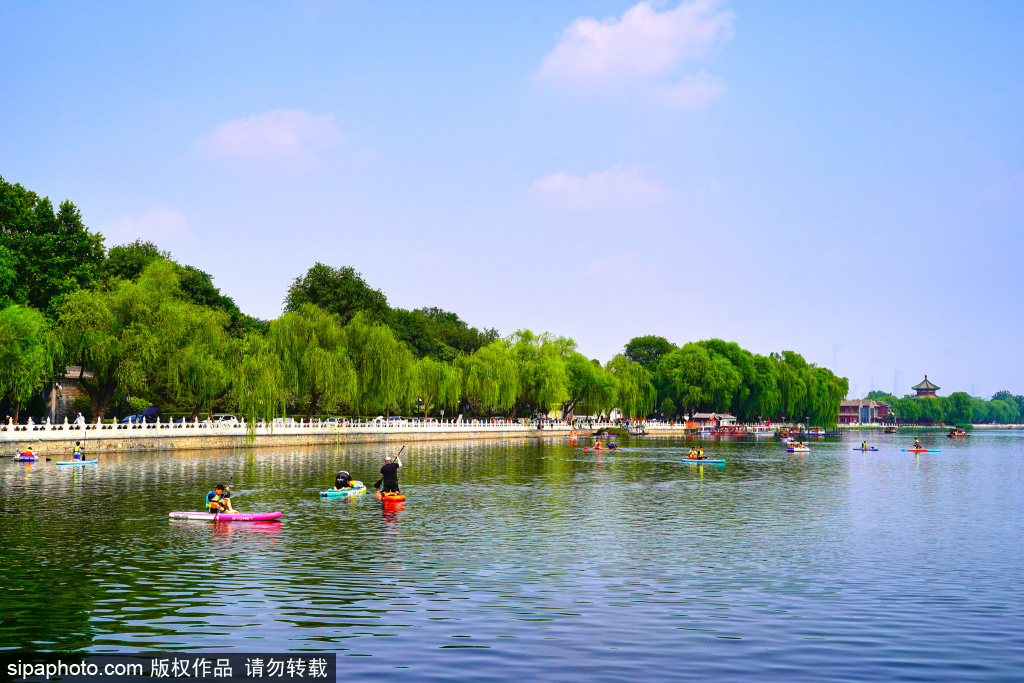
In the inner city, the historical and cultural districts of Shichahai Lake, Beiluoguxiang Alley, Nanluoguxiang Alley are located around the Drum and Bell Towers at the northern end of Beijing Central Axis. These areas showcase the distinctive urban layout of the Yuan Dynasty, with city planning centered around water systems and featuring a fishbone-like or checkerboard pattern. This region is a blend of Beijing's royal, gentry, and commoner cultures, and it hosts a rich array of folk activities.

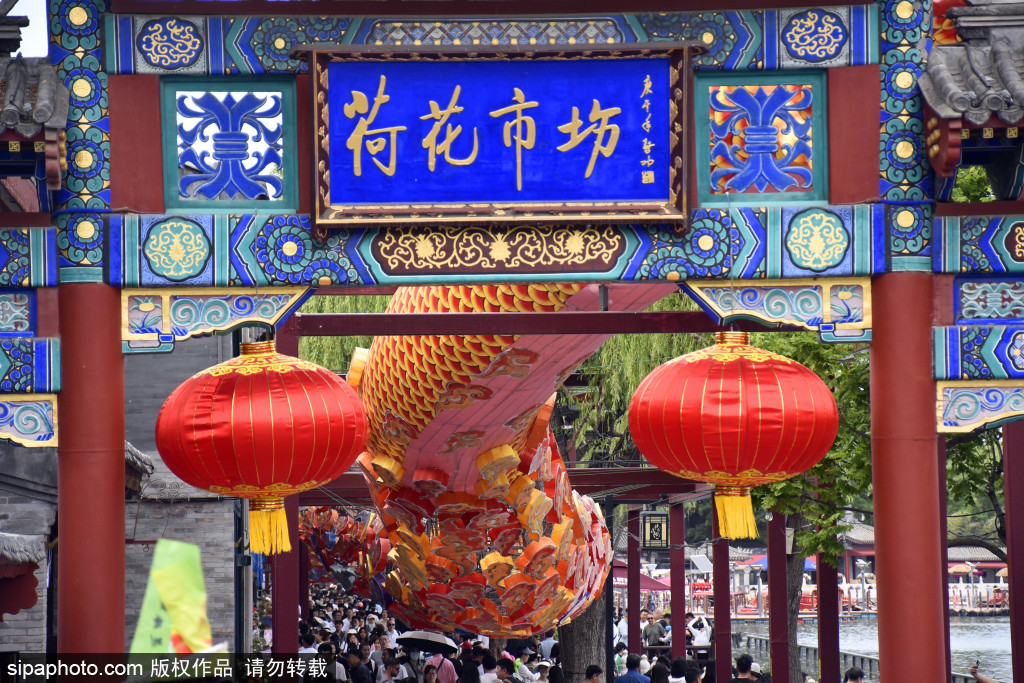
Among them, Shichahai Lake Historical and Cultural District developed around the water system, resulting in a more flexible street layout with numerous diagonal alleys along the lakeside. During the Yuan Dynasty, Jishuitan served as a key transport hub and port for grain shipments, fostering prosperity in the area surrounding the Drum and Bell Towers and leading to the construction of numerous commercial and residential buildings. During the Ming and Qing Dynasties, the water surface narrowed, and the transport function was gradually phased out, turning the area into a scenic spot for local recreation. The surroundings continued to feature numerous princely mansions, government offices, temples, and civilian residences, many of which have been preserved to this day.
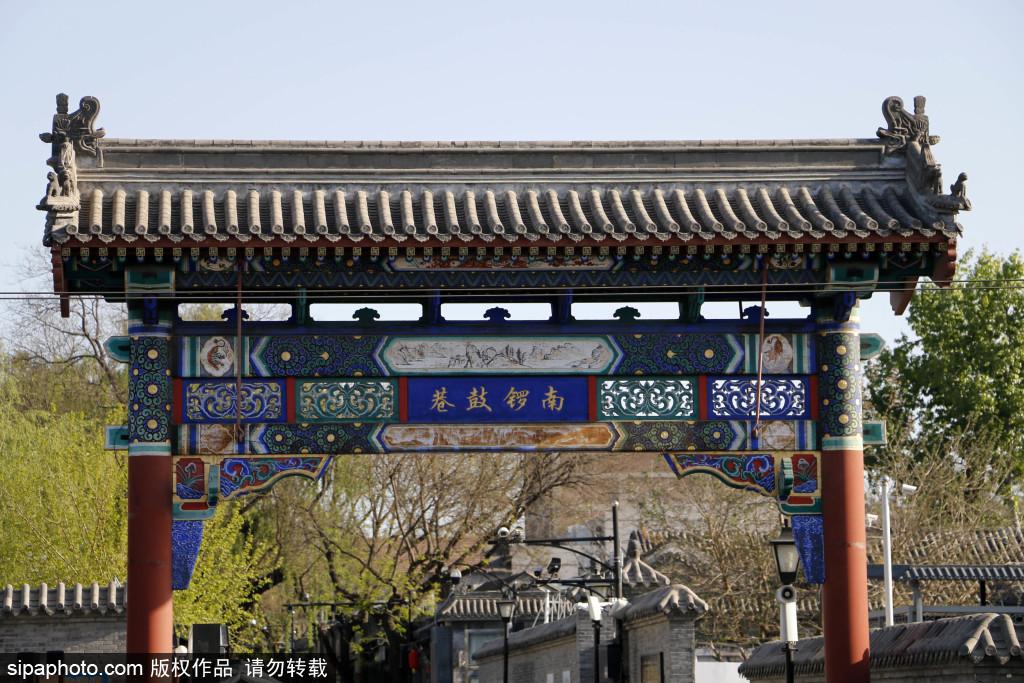
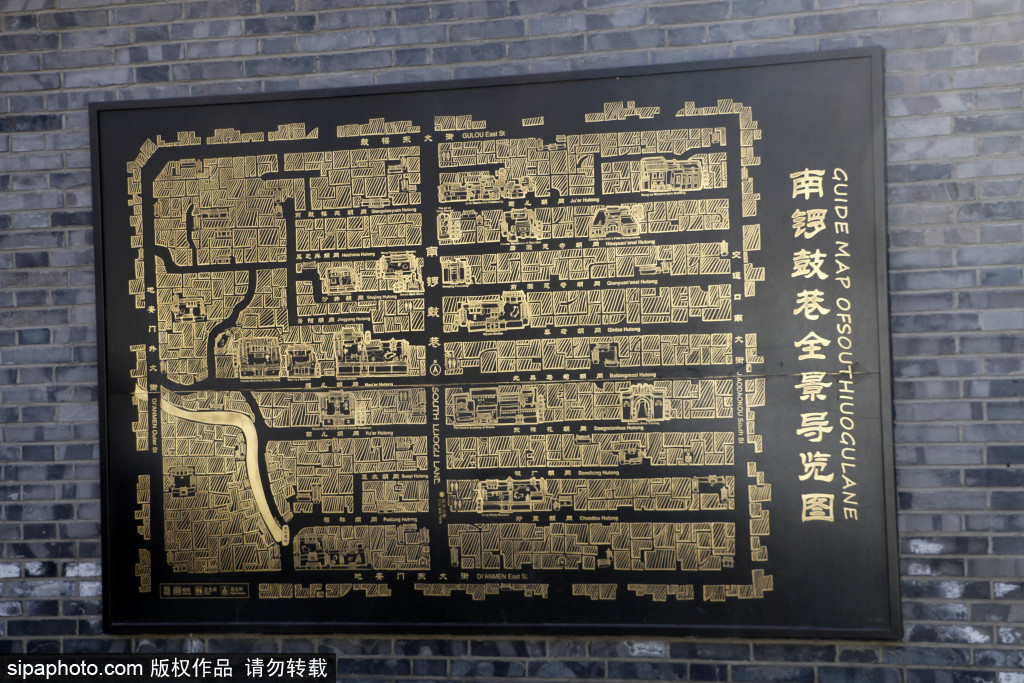
On the eastern side of the Central Axis, the hutong layouts of Nanluoguxiang Alley and Beiluogug Alley are among the best-preserved examples of Yuan Dynasty urban fabric, retaining the distinctive "fishbone" pattern of hutongs from that era.
Outer city districts: Dashilan, Xianyukou, Tianqiao-Zhushikou
In the outer city, the historical and cultural districts located on both sides of the southern section of Beijing Central Axis include Dashilan, Xianyukou, and the Tianqiao-Zhushikou Historical and Cultural District. These areas were formed and developed during the Ming and Qing Dynasties. Unlike the inner city, which retains the uniform street patterns of the Yuan Dynasty, the outer city districts feature winding, narrow streets and hutongs, creating an unplanned and organically developed historical texture.
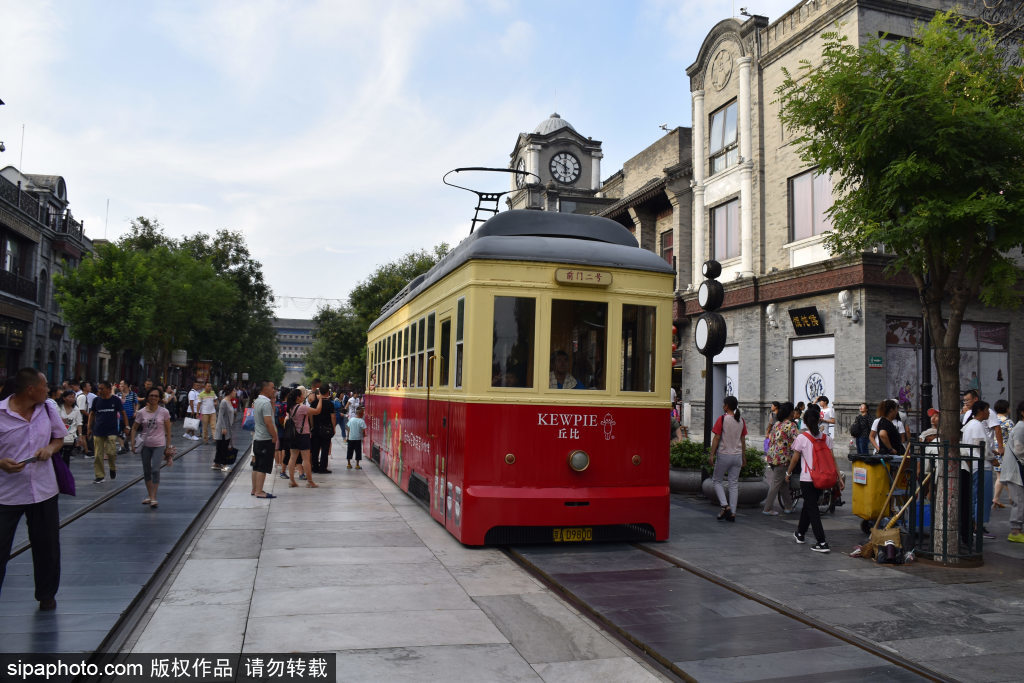
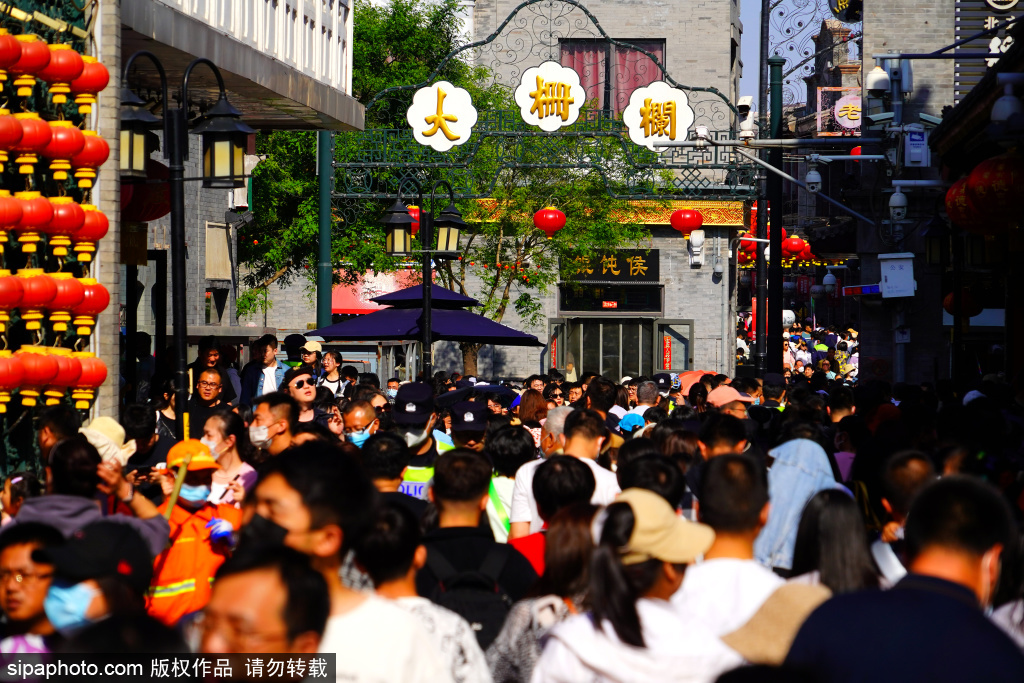
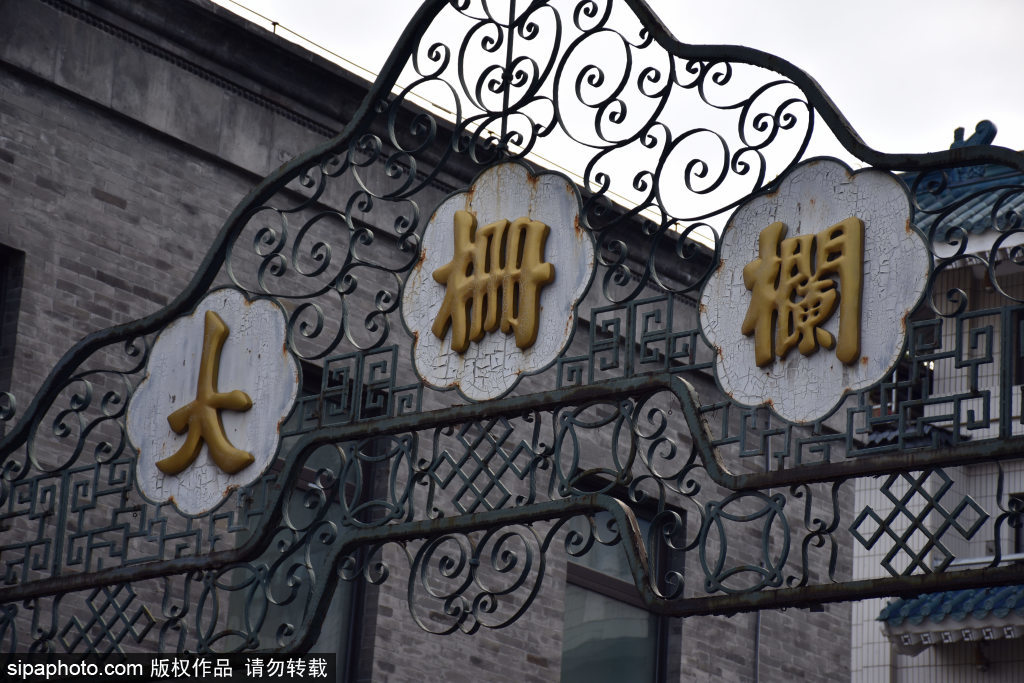
The Dashilan Historical and Cultural District is located on the west side of Qianmenjie(St). Once a passage connecting the Yuan Dynasty's Dadu with the Jin Dynasty's Zhongdu, it developed a pattern of diagonal streets in some areas. By the Ming Dynasty, streets and hutongs became the basic administrative units for registering and managing residents. To maintain public order and manage the area, barriers were installed at the entrances and exits of the streets, which were opened and closed on a schedule along with the city gates. This is how Dashilan got its name and became an important residential and commercial space during the Ming and Qing Dynasties.
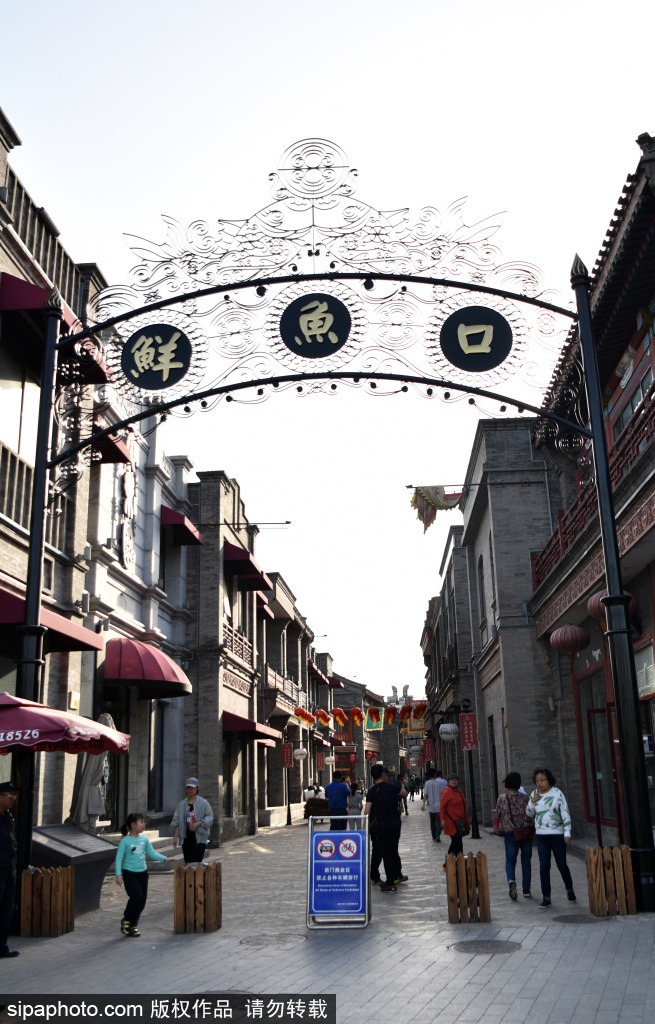
The Xianyukou Historical and Cultural District is located on the east side of Qianmenjie(St). Influenced by the Sanlihe water system, this area features a freely arranged street layout. During the Ming and Qing Dynasties, as the outer city developed and Qianmenjie(St) flourished, Xianyukou gradually became a densely populated residential area for common people.
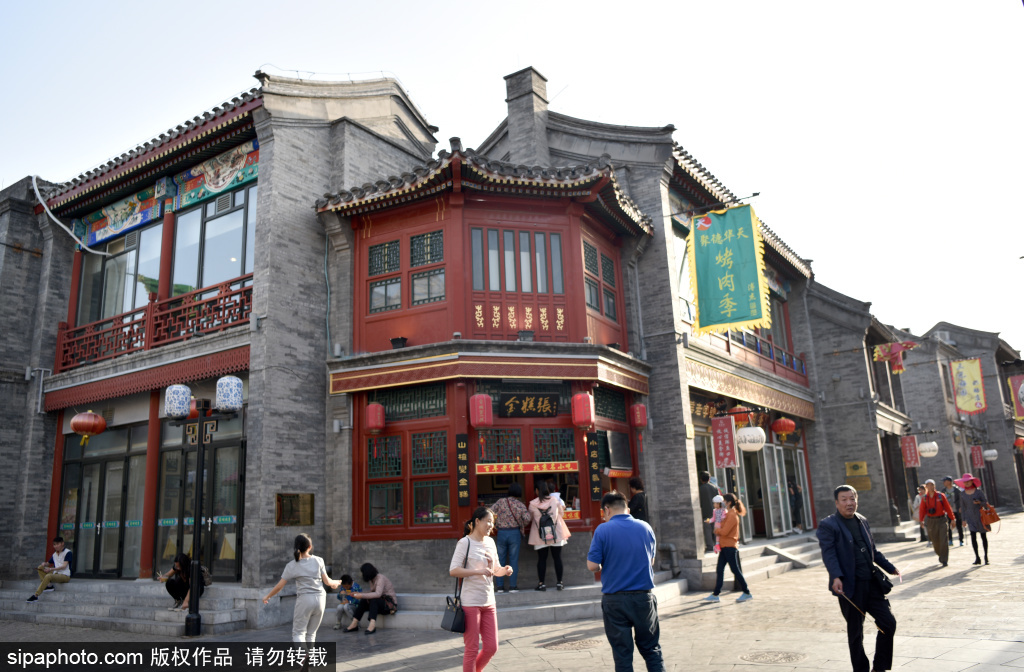
Zhushikou got its name from the market that sold pork in the area during the Ming and Qing Dynasties, with the character "zhu" relating to "pig" in Chinese.
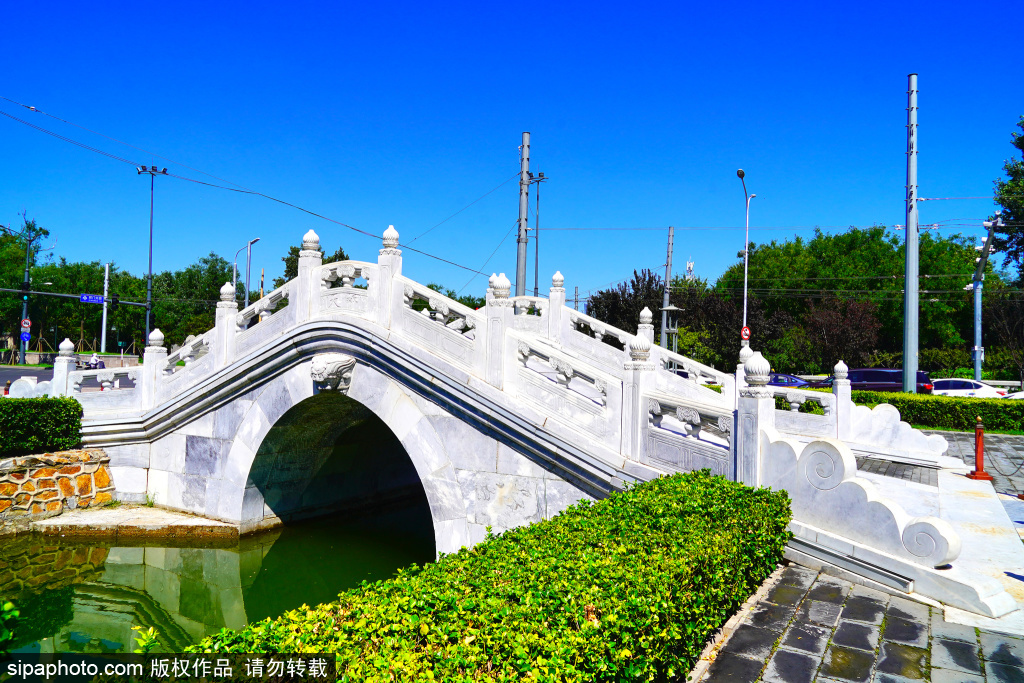
The name Tianqiao comes from a stone bridge built during the Ming and Qing Dynasties to facilitate the emperor’s passage to the Temple of Heaven and the Altar of the God of Agriculture for sacrifices. Since the emperor referred to himself as the Son of Heaven and the purpose of the sacrifices was to communicate with the heavens, the bridge was named "Tianqiao", or "Bridge to Heaven", symbolizing a bridge to the heavens. During the late Qing Dynasty and early Republic of China period, the area around Tianqiao became a hub for popular entertainment and marketplaces. Today, the Tianqiao area remains a venue for various cultural and artistic performances.


