The central axis of traditional Chinese capitals is the core architectural cluster that shapes the city's form during its construction. Beijing central axis, with its ingeniously location, embodies the ideal planning layout of traditional capitals. It has witnessed 750 years of urban development and management evolution from the Yuan, Ming, and Qing dynasties to the modern era.
Historical changes of the urban pattern of Beijing's old city
During the Yuan, Ming, and Qing dynasties, the structure of old Beijing's city walls and road layout underwent continuous development and changes.
During the Yuan Dynasty, Beijing was known as Yuan Dadu. The city was designed with three concentric layers of city walls: the palace city, the imperial city, and the outer city, with each layer encircling the next for enhanced defense. The urban layout of Yuan Dadu was meticulously organized, with roads arranged in a grid pattern. Italian traveler Marco Polo praised it in The Travels of Marco Polo, describing it as a chessboard, with beauty and perfection beyond words. The city was divided into fifty wards, each with its own gates to manage the daily lives of the residents.
During the Ming and Qing dynasties, Beijing's city layout evolved into four concentric layers of walls: the palace city, the imperial city, the inner city, and the outer city, creating the distinctive "凸"-shaped structure of old Beijing. Initially, during the Yongle period of the Ming Dynasty, only the northern part of the inner city was built, reusing the eastern and western outer city walls of Yuan Dadu but relocating the northern and southern walls further south. The overall layout continued to follow the central axis of Yuan Dadu, with the city gates remaining symmetrically aligned along this axis. Due to the presence of four gates in the imperial city and nine gates in the inner city, Beijing became colloquially known as the "City of Four-Nine Gates".
During the Ming and Qing dynasties, Beijing had a strict curfew system. To ensure the smooth functioning of such a large city, effective urban management measures were essential. Among the most important were using bells and drums for timekeeping and regulating the movement of people through the opening and closing of the city gates.
Opening and closing of the city gates
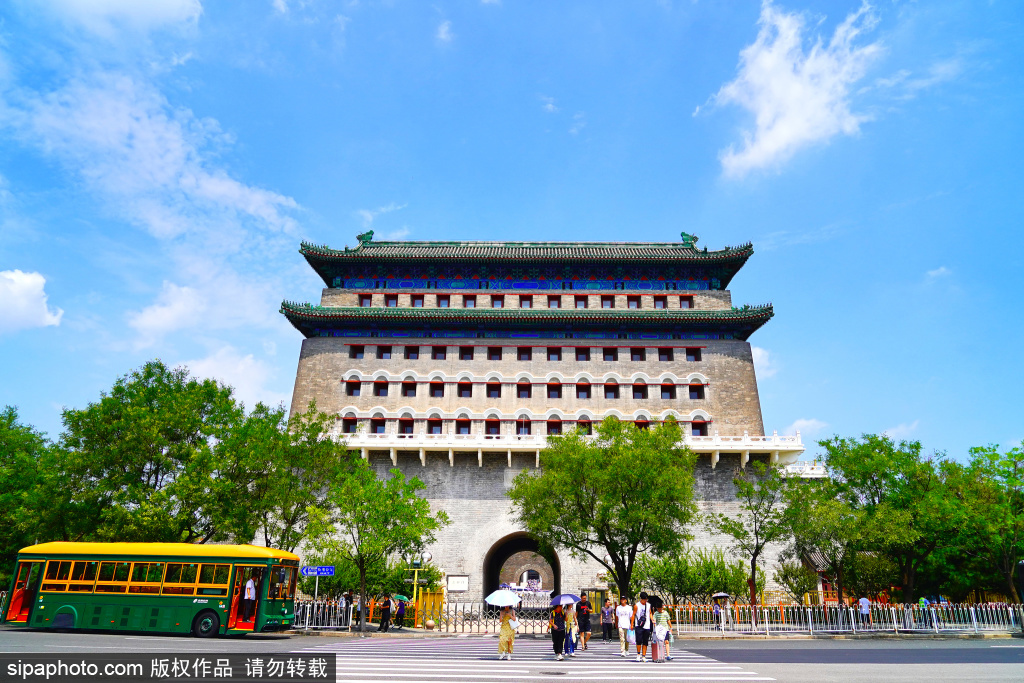
The city gates along Beijing Central Axis played a crucial role in urban management during the Ming and Qing dynasties.
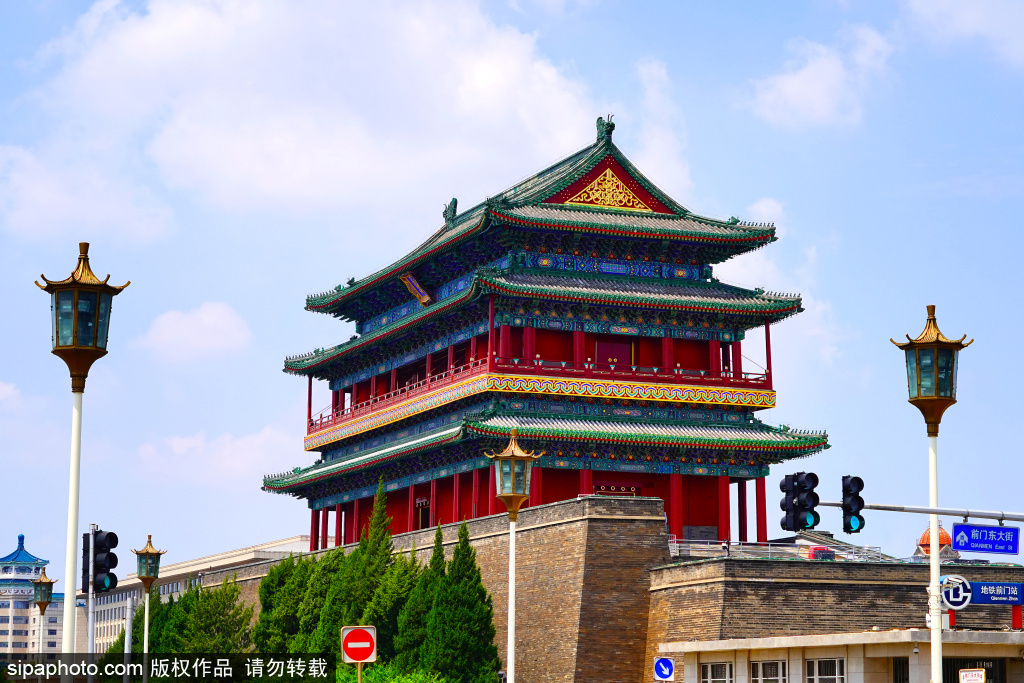
The palace city and the imperial city were reserved for royal living. Access to the palace city was controlled by the Gate of Divine Prowess (Shenwu men) and the Meridian Gate (Wu men), which are the north and south gates of the Forbidden City today.
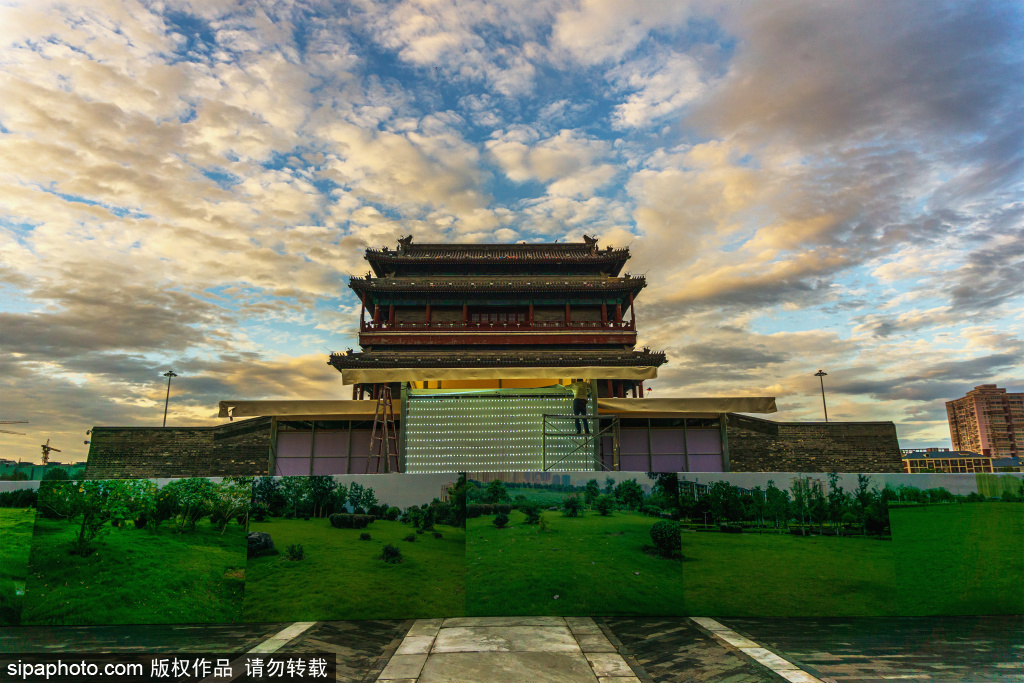
The inner city and outer city were residential areas for commoners. Zhengyangmen Gate and Yongdingmen Gate served as the southern gates for the inner and outer cities, respectively. During the Ming and Qing periods, these gates, along with others, were used for urban management and military defense. Both gates were located along Beijing Central Axis and were more imposing in design compared to other city gates, with greater width, depth, and overall size, highlighting their central importance.
The Time-telling Bell and Drum Towers
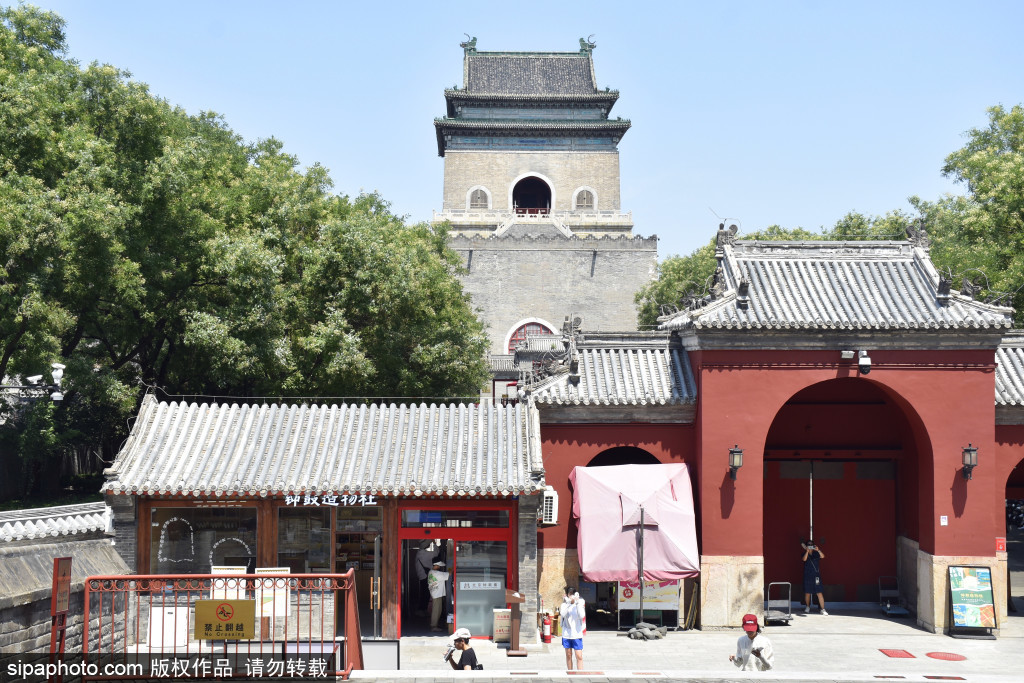
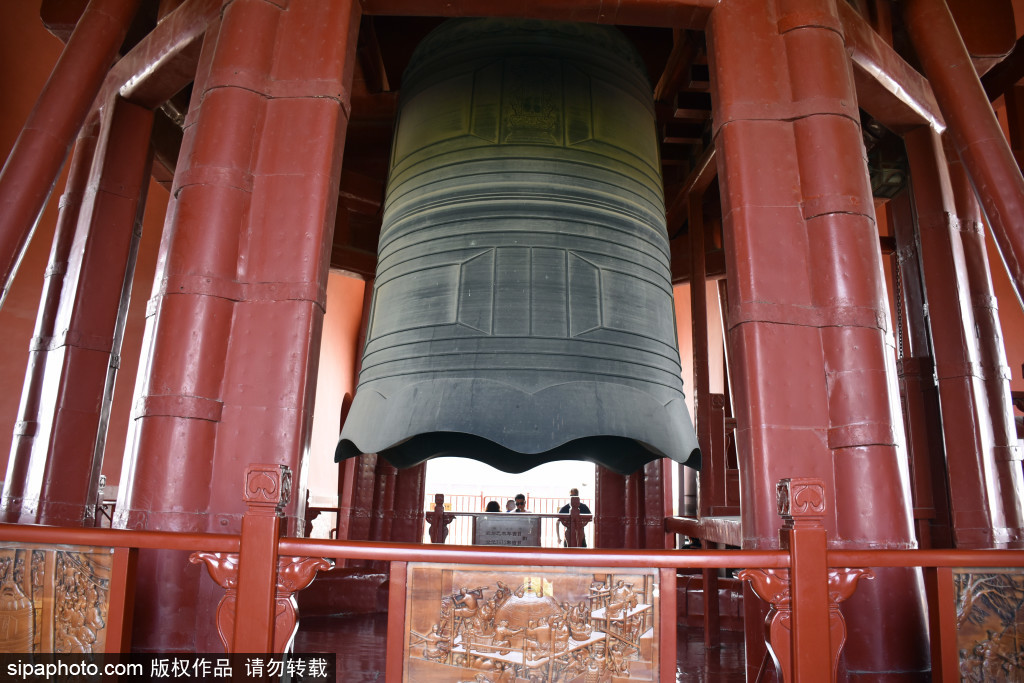
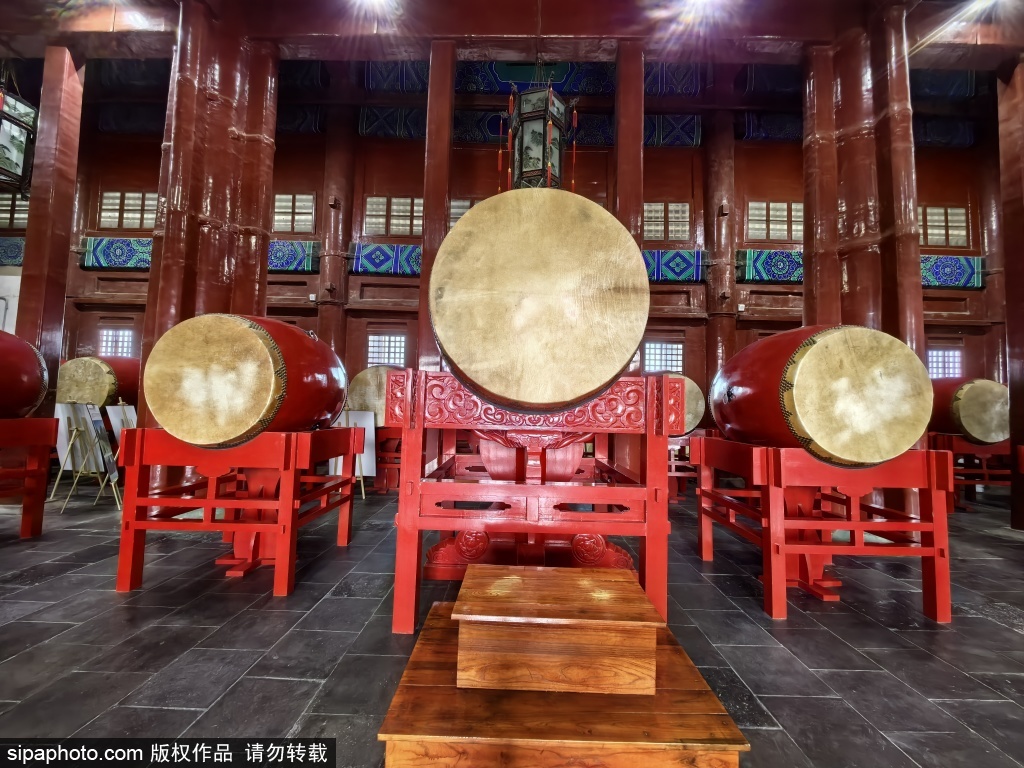
The Bell and Drum Towers served as timekeeping facilities during the Ming and Qing dynasties and played a crucial role in urban management alongside the city gates. The towers regulated the opening and closing of the city gates and hutong barriers by striking the bell and drum. This practice helped distinguish between day and night, synchronize the city's time, and effectively manage urban operations.