
Imperial palace and garden, which refers to both the imperial palaces and the imperial gardens, has been a traditional concept in China since ancient times. Historically, the northern side of the palace city was often reserved for royal gardens. For instance, in the Cao Wei period, the Fanglin Garden was established to the north of the palace city in Luoyang, pioneering the planning concept of locating the imperial garden to the north of the palace city. After that, Hualin Garden in Jiankang City of the Six Dynasties, Hualin Garden in Yecheng of the Eastern Wei and Northern Qi, Taiye Lake in Daming Palace in Chang'an City of the Tang Dynasty, and Genyue in Dongjing City of the Northern Song Dynasty were all located in the north or northeast of the palace city. The Forbidden City and Jingshan on the central axis of Beijing also formed a pattern of imperial gardens located north of the palace city, continuing the planning tradition of the two with a north-south layout.
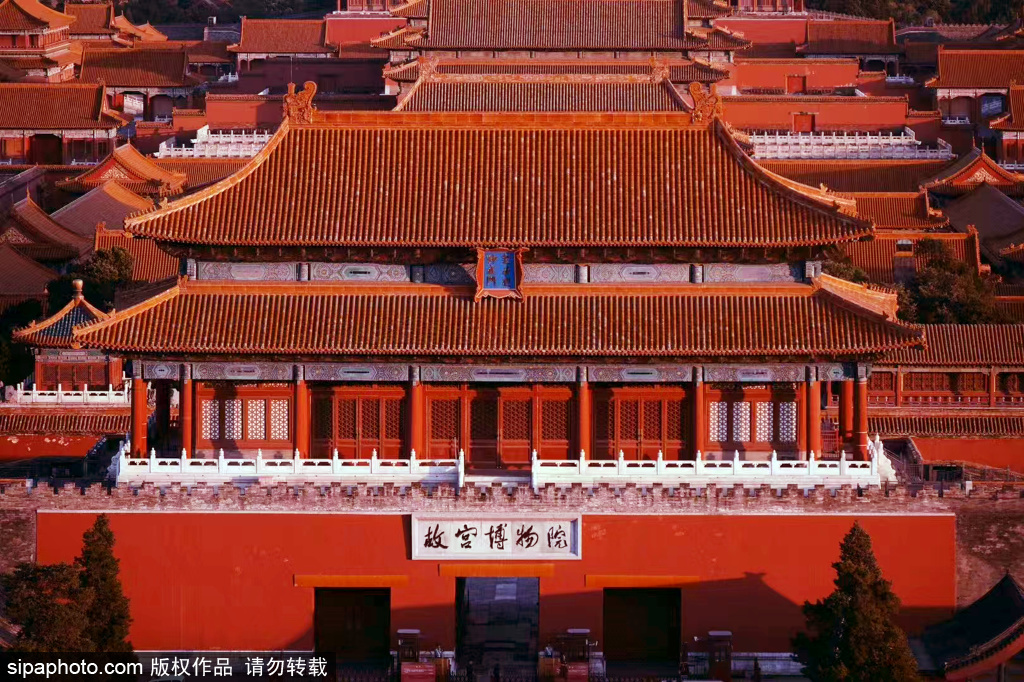
The ritual tradition of the Forbidden City
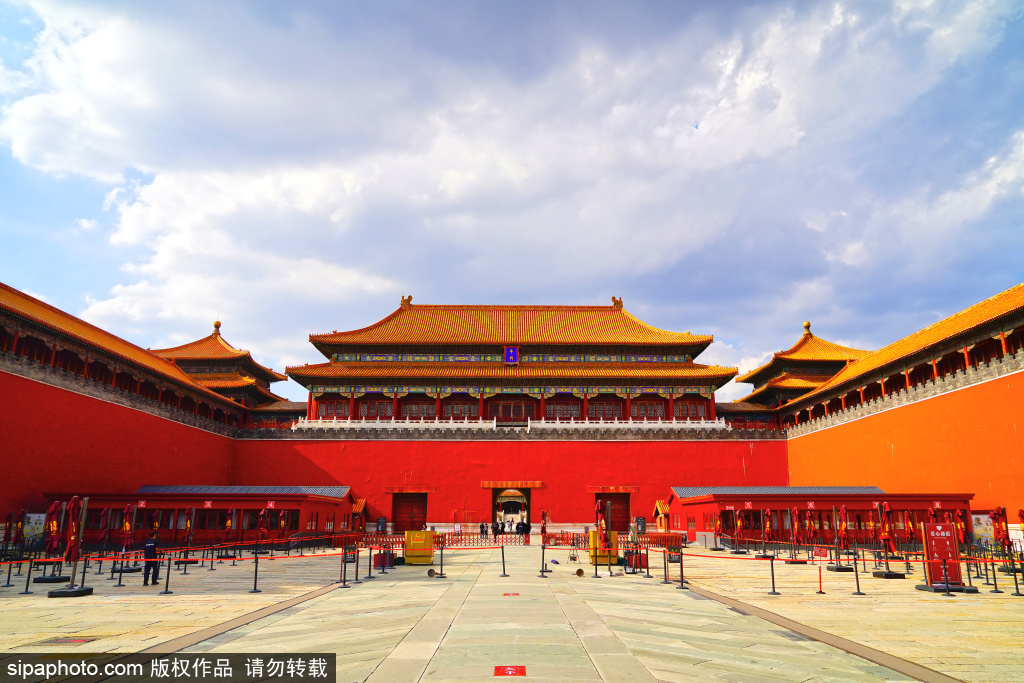
The Forbidden City served not only as the residence and meeting place for the Ming and Qing emperors but also as the venue for the highest-level ceremonies such as the emperor's enthronement and military campaigns. It was also the starting point for royal sacrificial rituals. From the Forbidden City, a ceremonial route was established, connecting it with various sacrificial buildings along Beijing's Central Axis through the imperial path.
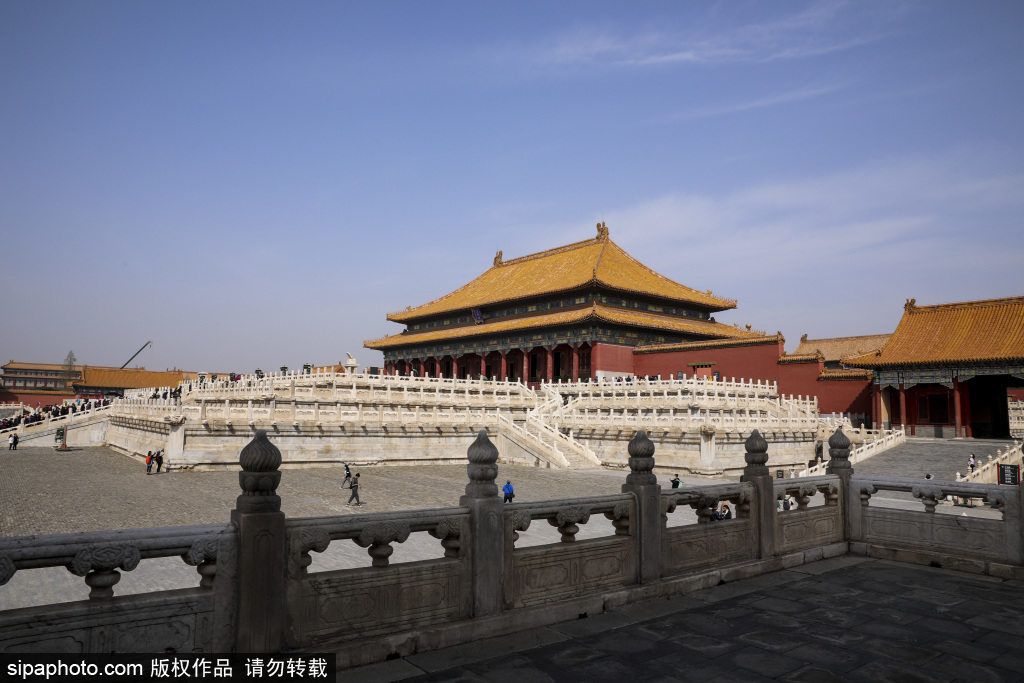
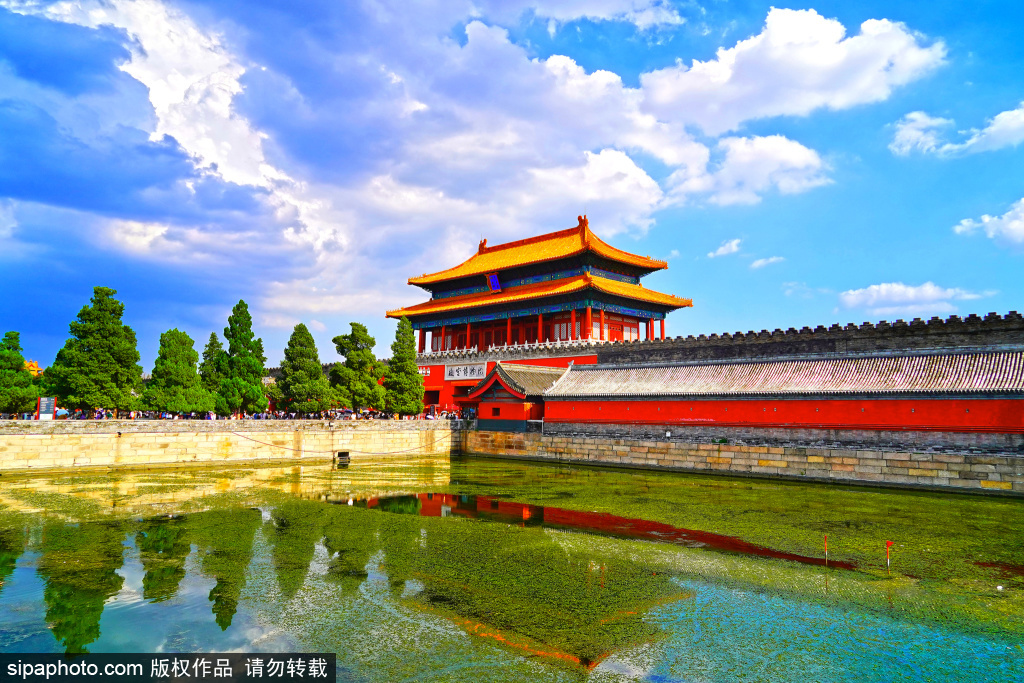
From the Taihe Gate of the Forbidden City, southward through a series of city gates along Beijing's Central Axis—such as Wumen Gate, Upright Gate, and Tian'anmen Gate—these gates served as key sites for specific ceremonies and processions during the Ming and Qing dynasties. Their architectural design, characterized by high status and grand scale, highlights the ceremonial significance and contrasts sharply with other city gates outside the central axis in old Beijing. These gates are tangible embodiments of ancient royal ceremonial routes, providing strong evidence of traditional royal culture and ritual systems.
The ritual tradition of Jingshan, the imperial palace
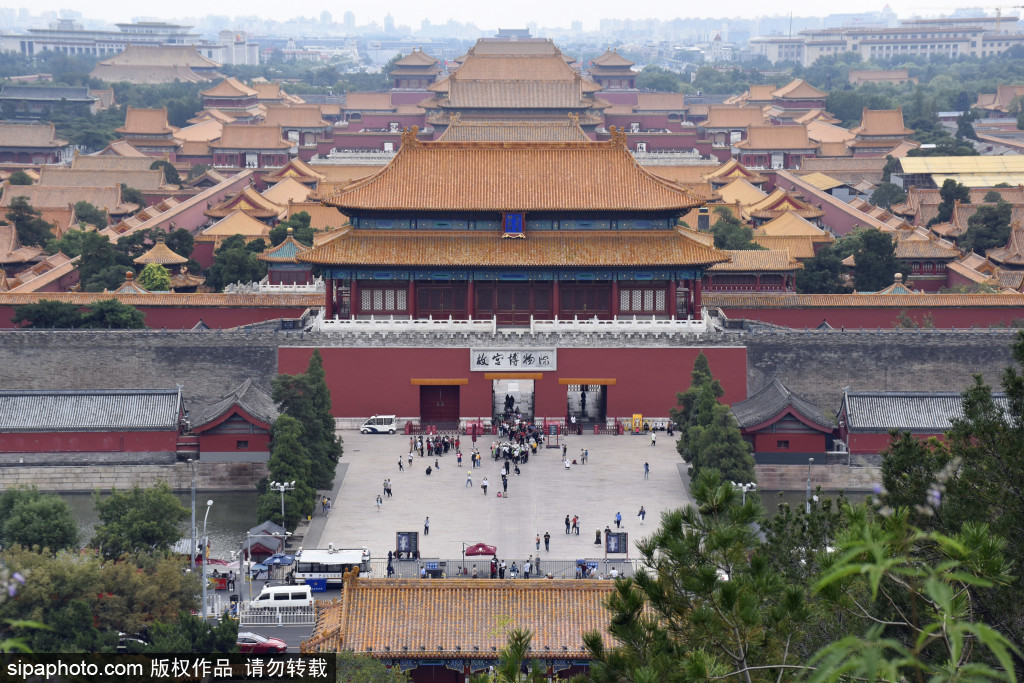
Jingshan, located to the north of the Forbidden City, serves both as a symbol of feng shui and a site for ceremonial rituals. It continues the cultural significance of mountain worship from ancient times and also reflects the long-standing tradition of royal garden tours in China.
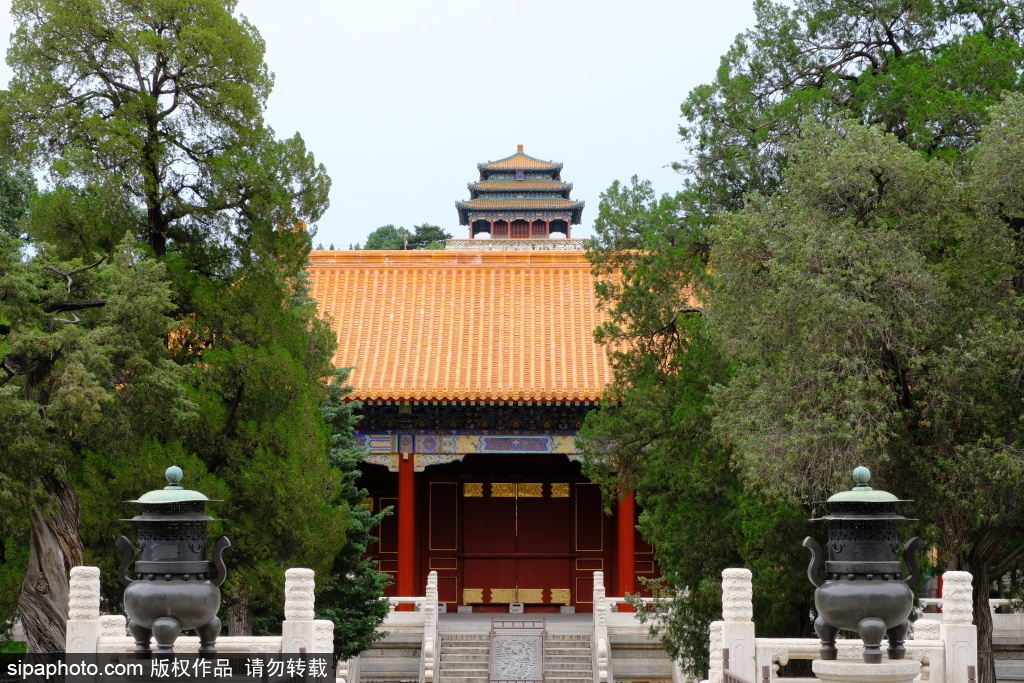
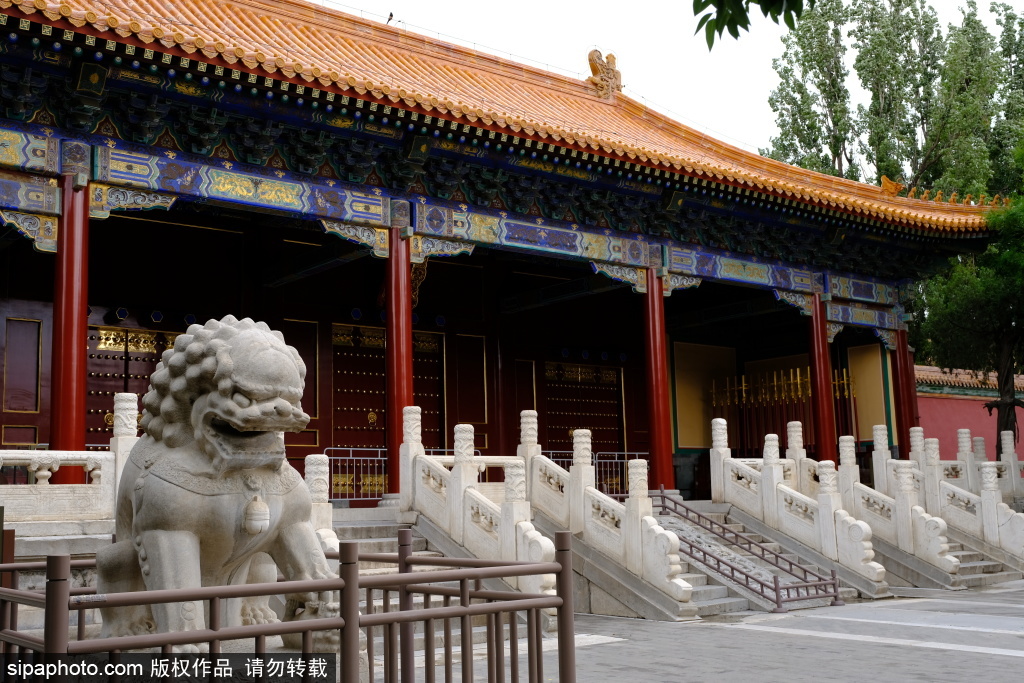
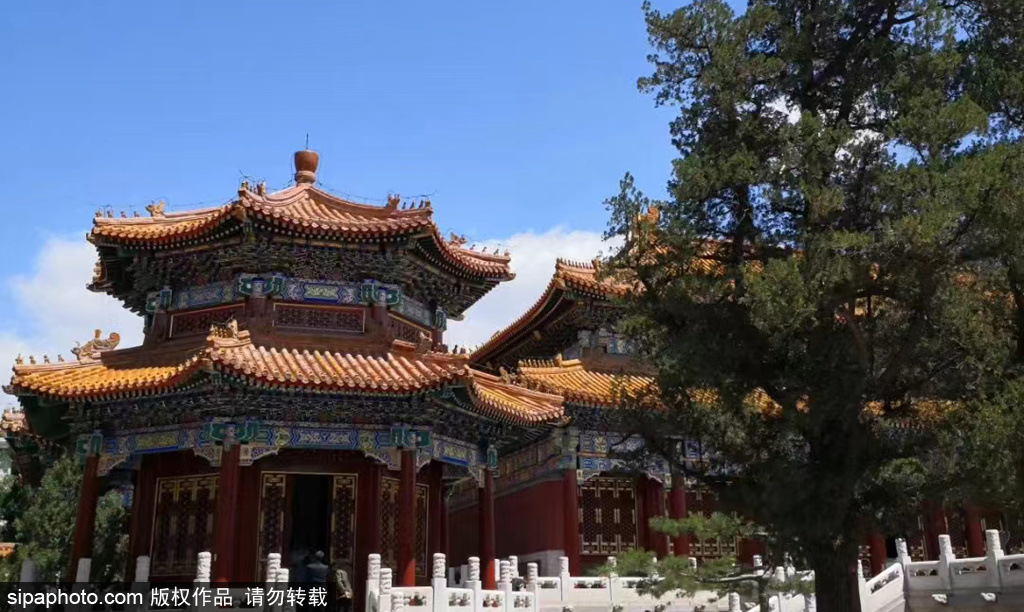
Ancient Chinese people developed a reverence for mountains as early as the pre-Qin period, considering high platforms and mountains as places that connect with the heavens and the divine. This belief gave rise to veneration systems such as Kunlun Mountain, the Five Great Mountains, and the Five Towns. The practice of constructing artificial mountains within imperial gardens began in the Qin and Han dynasties and reached its zenith during the Tang and Song dynasties. Jingshan continues this tradition of mountain construction. It is an artificial hill built during the Ming Dynasty on the ruins of a Yuan Dynasty palace, and its steep and towering form serves as a vantage point within the imperial city. Today, it remains the highest point along Beijing Central Axis, offering a view southward towards the Forbidden City and northward towards the Bell and Drum Towers.


