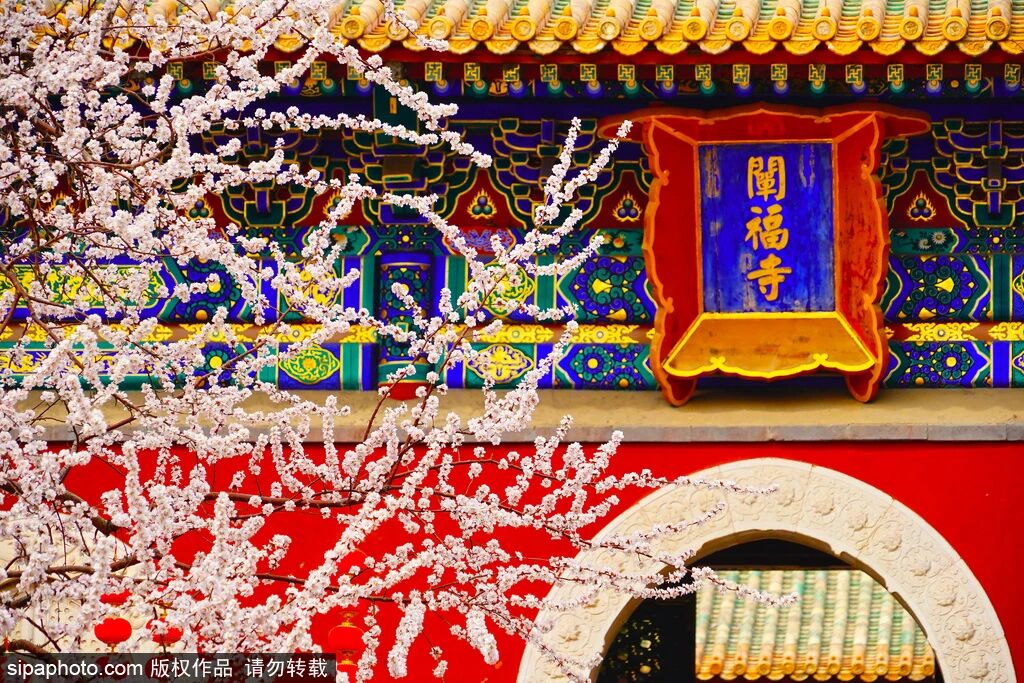
Lama Temple
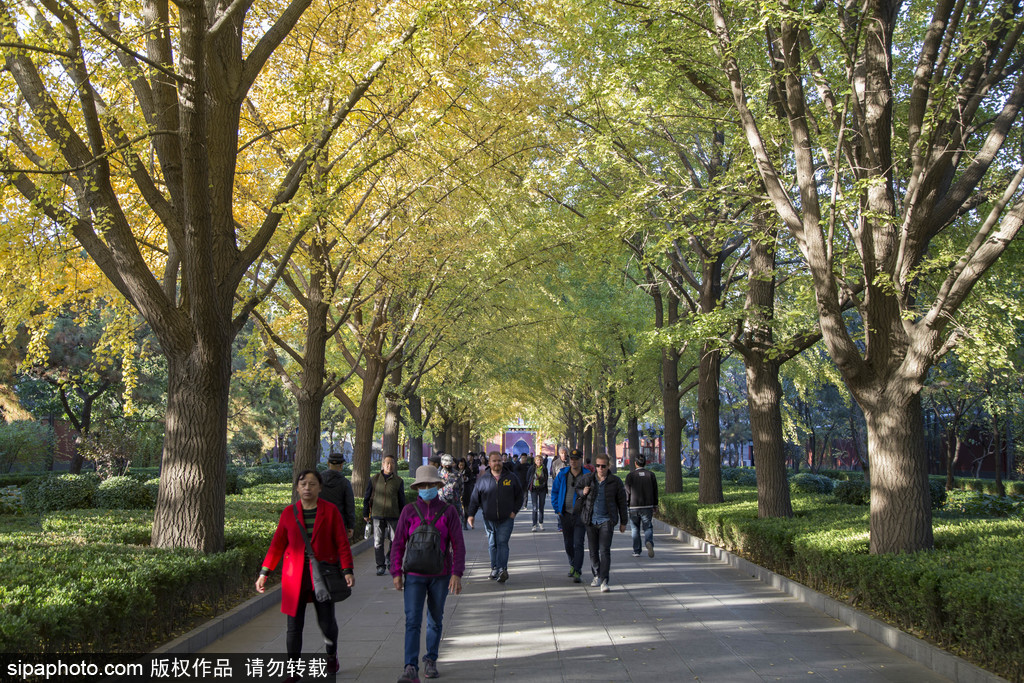
Lama Temple, renowned for its serene ginkgo avenue, is also home to one of Beijing's most tranquil and historic temple complexes. With a history of over 300 years, the temple has witnessed the reigns of Kangxi, Yongzheng, and Qianlong. It has transitioned through the eras of princely residence, palace, and temple, and is now the largest Tibetan Buddhist monastery in Beijing. Visiting this temple, you can appreciate its complete Buddhist temple layout. Entering Lama Temple through the southern gate, you walk along the avenue leading to the Zhaotai Gate. On both sides of this avenue, the mature ginkgo trees stand tall and dense, enhancing the temple’s regal atmosphere. The ancient, intricate architecture of Lama Temple combined with the golden leaves falling from the ginkgo trees creates a stunning interplay of red walls and yellow leaves, with shifting light and shadows adding to the autumn ambiance.
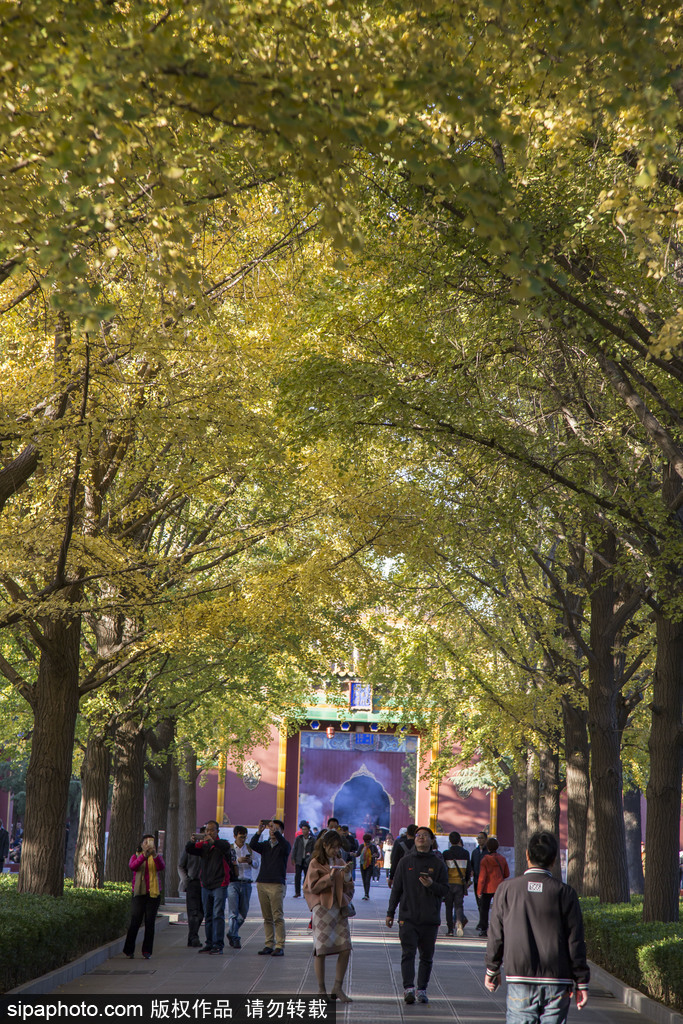
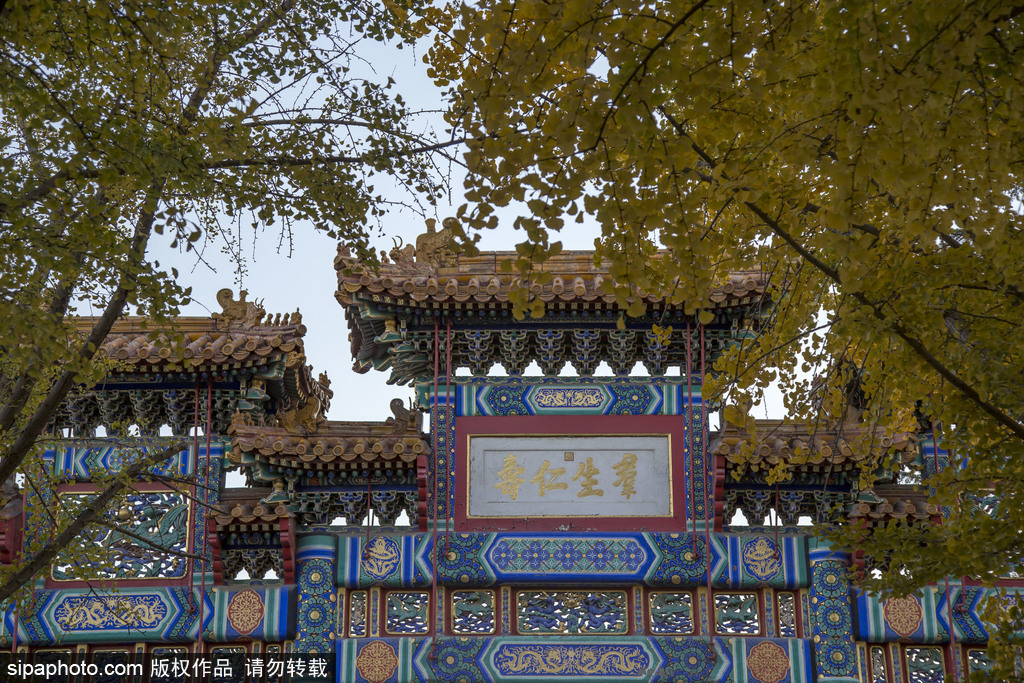
The temple follows the "seven-halled temple" layout typical of Chinese Buddhist monasteries. The seven main buildings at the front include: Zhaotai Gate, the Bell Tower, the Drum Tower, Lama Gate, Lama Temple, Exoteric Hall, and Esoteric Hall. The successive rise of the rear halls symbolizes the solemn and auspicious world of the Buddha. The "one large and four small" Tibetan skylights on the top of the Falun Hall symbolize Mount Meru surrounded by the four great continents in Buddhist cosmology. The establishment of the four main halls—the Exoteric Hall, Esoteric Hall, Shilun Hall, and Medicine Hall — marks Lama Temple as a complete Tibetan Buddhist academy.
If you visit in autumn, you may also experience the Tianjiang Festival on the 22nd day of the ninth lunar month and the Lamp Festival on the 25th day of the tenth lunar month. These are significant Buddhist anniversaries for the monks, though visitors might not have access to the details of these commemorative events.
Nearby Popular Spots:
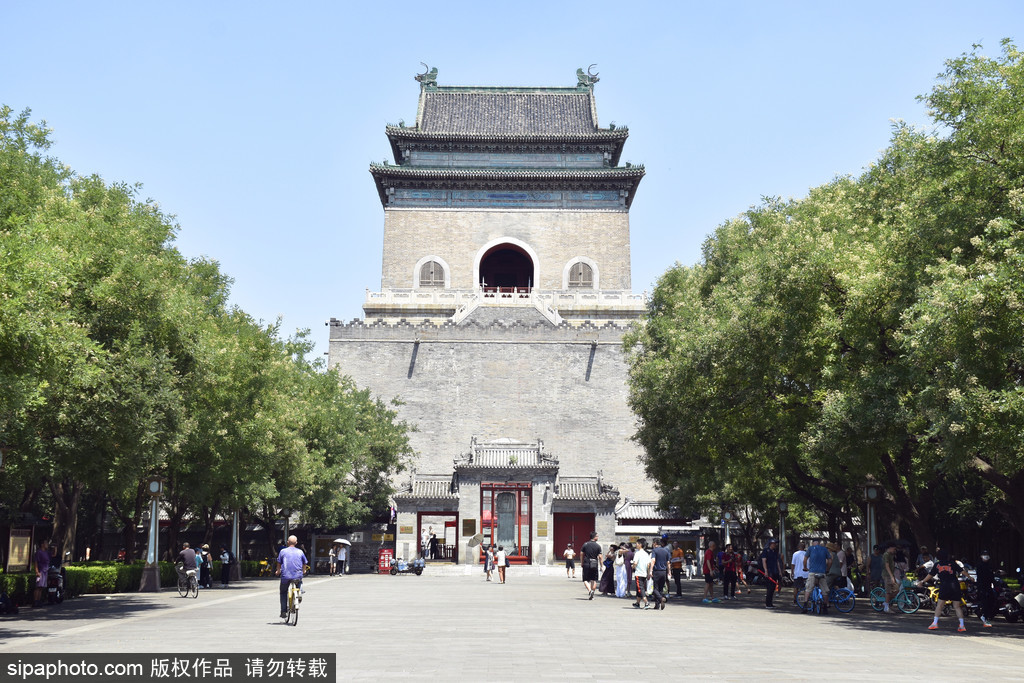
Beijing Drum and Bell Towers are located on Beijing’s central axis, comprising the Drum Tower and the Bell Tower, which complement each other in function and design. Positioned in sequence, they stand as the tallest and most grandiose ancient structures on the central axis, serving as landmark buildings for the ancient capital. The Drum and Bell Towers were once used for timekeeping during the Yuan, Ming, and Qing dynasties. The Drum Tower and Bell Tower are traditional public buildings used for timekeeping in ancient China. Originally, bells and drums were musical instruments, but they were later repurposed for timekeeping purposes. They are the best-preserved and largest of their kind in China, with the most extensive timekeeping instruments. Their prominent geographical location, long history of timekeeping, and traditional methods of signaling make them stand out among similar structures across the country. The unique positioning of the two towers, one behind the other, is also unparalleled in China.