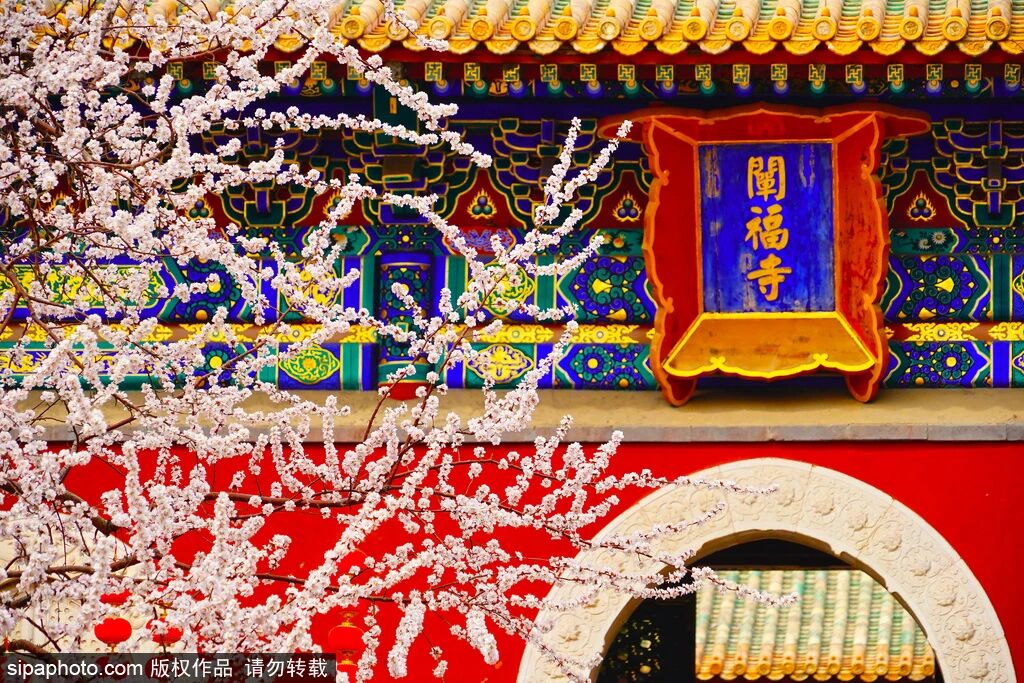
Hutong is one of the most vibrant and humanistic scenes in the city. It is not just a physical space but also a cultural and emotional sanctuary.
Tasting authentic hutongfood: Fried sauce noodles at No. 69 Fangzhuanchang Hutong Noodles
(WeChat official account: No. 69 Fangzhuanchang Hutong Noodles https://mp.weixin.qq.com/s/17l-WbTwDMKHSoaREiLiYw)
Beijing is filled with a variety of delicious foods that can be found in every corner of the city. Especially in some century-long hutongs, there are many delicious small eateries with their own uniqueness. Old locals and gourmets with a keen sense of taste flock to these places to enjoy the pleasure brought by good food.

In Beijing's food portfolio, No. 69 Fangzhuanchang Hutong Noodles is a must-visit restaurant. With its slogans such as "Ten years for only one type of noodles" "Michelin-starred food for old locals", it is a signature dish for Beijing's distinctive cuisine.
The history of Fangzhuanchang fried sauce noodles dates back to 1996. Its founder was Mr. Song who lived at Fangzhuanchang Hutong No. 69. At the beginning the fried sauce noodles were just a homemade dish, the recipe of which was passed from his grandfather. However, its enticing aroma constantly attracted the neighbors. Mr. Song thus decided to open a restaurant and simply named it after his address.
The soul of fried sauce noodles is the fried sauce. No. 69 Fangzhuanchang Hutong Noodles selects the meat of 1-year-old black pigs and stew it slowly for an hour and a half with various spices, creating a red and shiny fried sauce with a rich aroma. The noodles, kneaded for numerous times, have a chewy texture. When served, the golden noodles adorned with a variety of toppings, topped with fragrant fried sauce, and garnished with scallions, coriander, and other condiments, are visually appealing. Moreover, the noodles taste even better than its appearance. Mix fully the noodles and have a taste, you can experience the harmonious blend of chewy noodles, tender pork cubes, and flavorful fried sauce. Meanwhile, the vegetable toppings balance out the richness of the sauce, leaving a lasting impression.
No. 69 Fried Sauce Noodles from Fangzhuan Factory is reasonably priced and offers free refills of noodles and sauce. Its service is attentive, and the decoration is featured with a old-Beijing-style. Customers can not only enjoy the food but also immerse themselves in a rich local cultural atmosphere.
Address: 40 meters east of Jinghui Xiaoguan, Nanxiawazi Hutong, Dongcheng District, Beijing
Experience hutong's history and culture: Shijia Hutong Museum
Shijia Hutong Museum is Beijing's first hutong museum and a community museum that carries the cultural heritage and memories of old Beijing. The building it resides in maintains the construction of traditional quadrangle courtyards, with its layout, gray bricks and tiles, as well as wooden doors and windows. Two sturdy French plane trees cover half of the courtyard in shade.
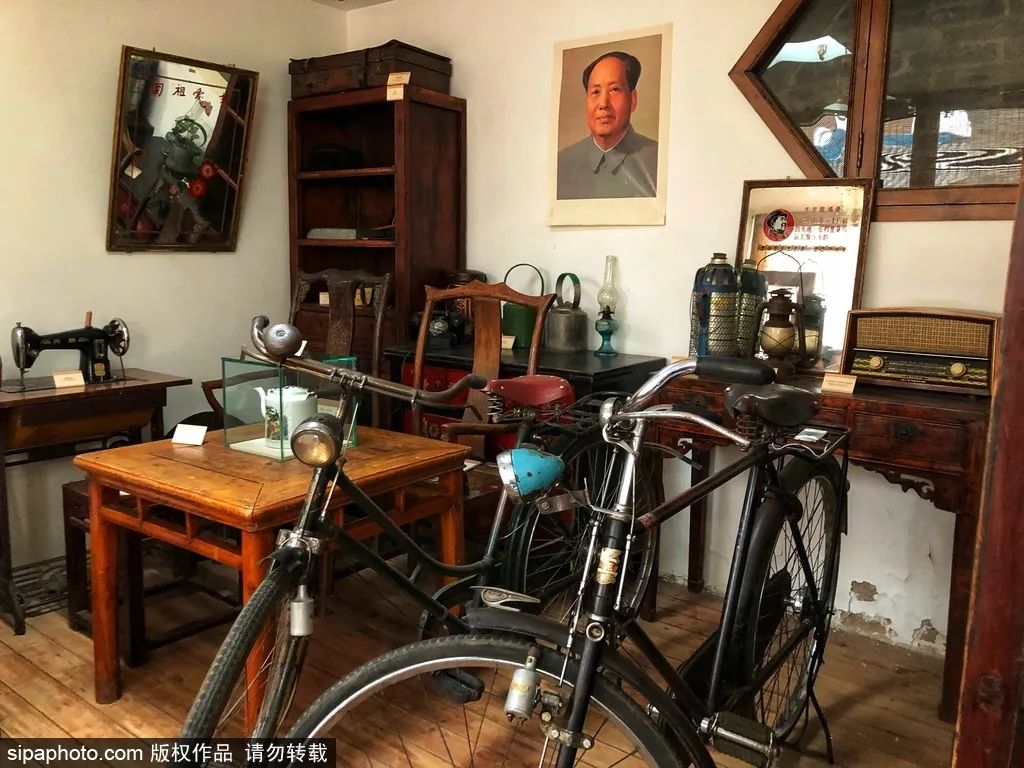
This was once the residence of Ling Shuhua, one of the three talented women of the Republic of China. Cultural celebrities such as Tagore, Hu Shi, Ding Xilin, Xu Zhimo, and Lin Huiyin visited here. Later, Ms. Chen Xiaoying, Ling's daughter, transferred the property rights to the local's sub-district office for public welfare. The hutong museum was since then established.
The museum covers an area of over 1,000 square meters, with 8 exhibition halls and a multi-functional hall. The exhibitions inside are diverse, recreating the life in hutong through a variety of exhibits. The miniature landscape of Shijia Hutong in the first hall is particularly impressive, faithfully reconstructing the scenario in the past, allowing visitors to vividly experience the historical changes.
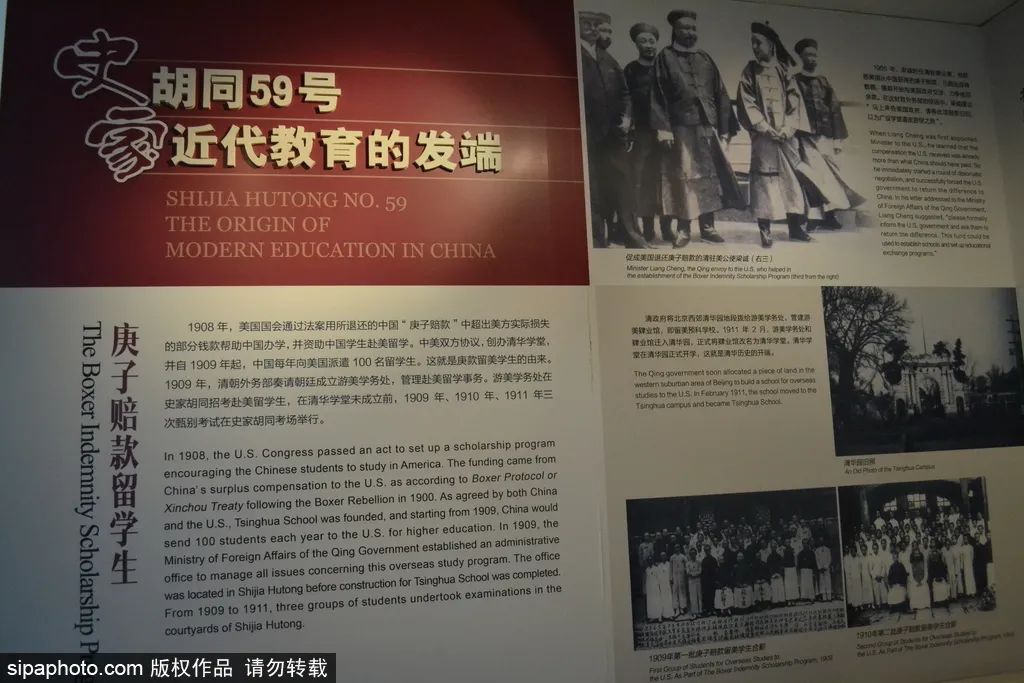
The theme hall "Cradle of Beijing People's Arts Theater" displays the history of Beijing People's Arts Theater since its establishment. The hall for China's modern education introduces the facts of "Left Wing Confucian School" that emerged in the Qing Dynasty and the movement in which Chinese students went to the United States from 1872 to 1881 to study Western science and culture. The Hall "Lasting Orchid Aroma" presents Ling Shuhua's life and major works, as well as pictures of cultural celebrities gathering here at that time. In addition, there is an hall dedicated to introducing the celebrities who once lived in Shijia Hutong, with their portraits occupying the entire exhibition hall.
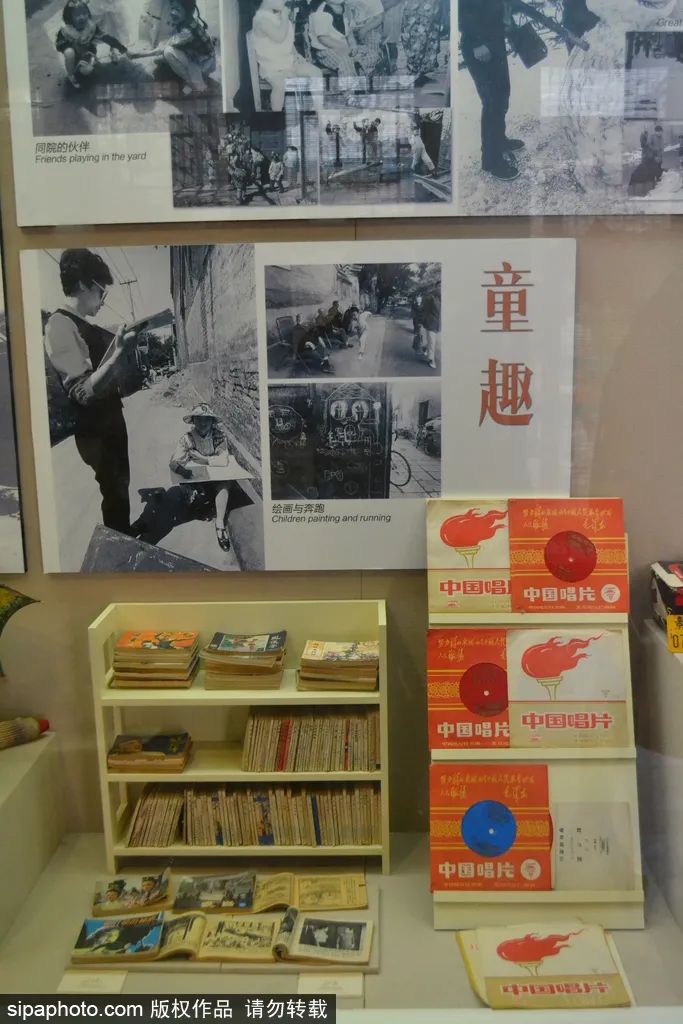
In addition to static exhibitions, the Museum features unique audio displays. In a special room in "Era's Memory" Hall, visitors can hear over 70 "hutong sounds" from different time periods by touching the screen, making one feel as if they have instantly traveled back in time.
A distinguishing feature of the Shijia Hutong Museum is its strong community attribute. Its exhibitions condense the history and culture of old Beijing as well as the life in hutongs. The Cultural Exhibition Hall is dedicated to exploring local culture, providing various activities and displays to allow visitors to learn and experience life in the hutongs. The "Community Council Chamber" creates a model of social governance based on collaboration, participation, and common interests. The "Residents' Reception Room" provides residents with a space for communicating and holding activities. Here, local residents volunteer as interpreters, making the museum a "reception room" with distinctive old Beijing characteristics and humanism.
Address: Shijia Hutong No.24, Dongcheng District, Beijing
Experience the dialogue between modernity and tradition in hutongs: Mao'er Hutong
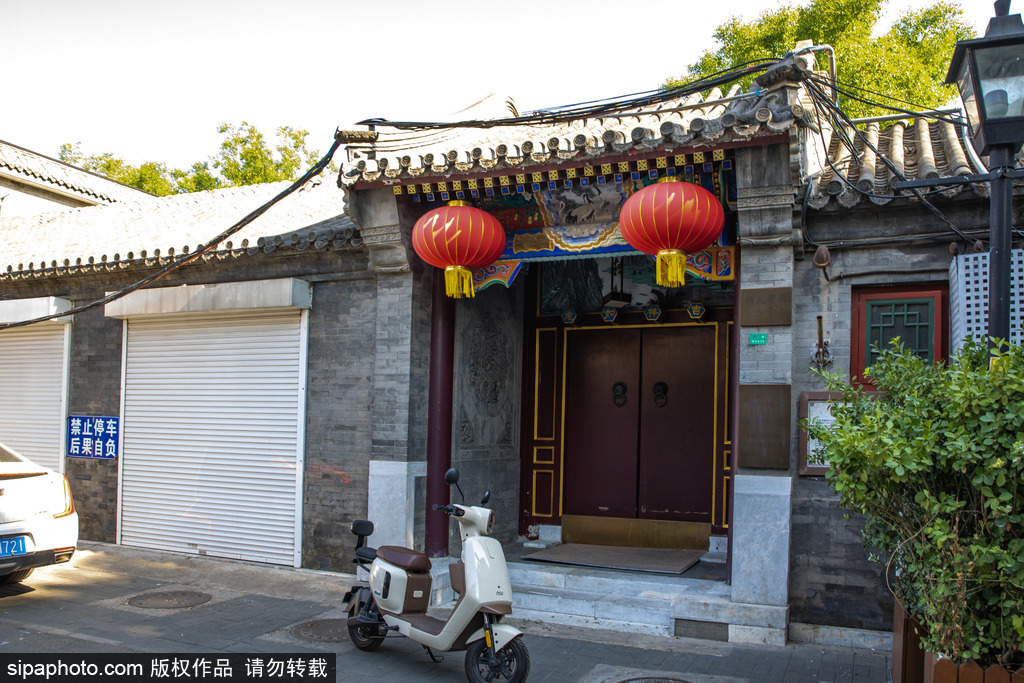
As The Stories in Hutongs describes, Beijing's hutongs are like a colorful historical scroll, worthy of in-depth exploration. With a long history, these hutongs witnessed the changes of dynasties. The stone paths and walls are the evidence of the past. The hutongs are full of the flavor of life. In the morning, the breakfast vendors cry on the streetside; in the afternoon, the elderly chat in the sun, children playing aside. The hutongs also exhibit unique cultural charm, with cozy but meticulous layout of quadrangle courtyards, historical astone lions and walls, as well as interesting temple fairs, and opera performances. Among others, Mao'er Hutong is an epitome. It used top be a gathering place for high-ranking officials and nobles, where the glory of the past can still be appreciated through well-preserved ancient architecture.
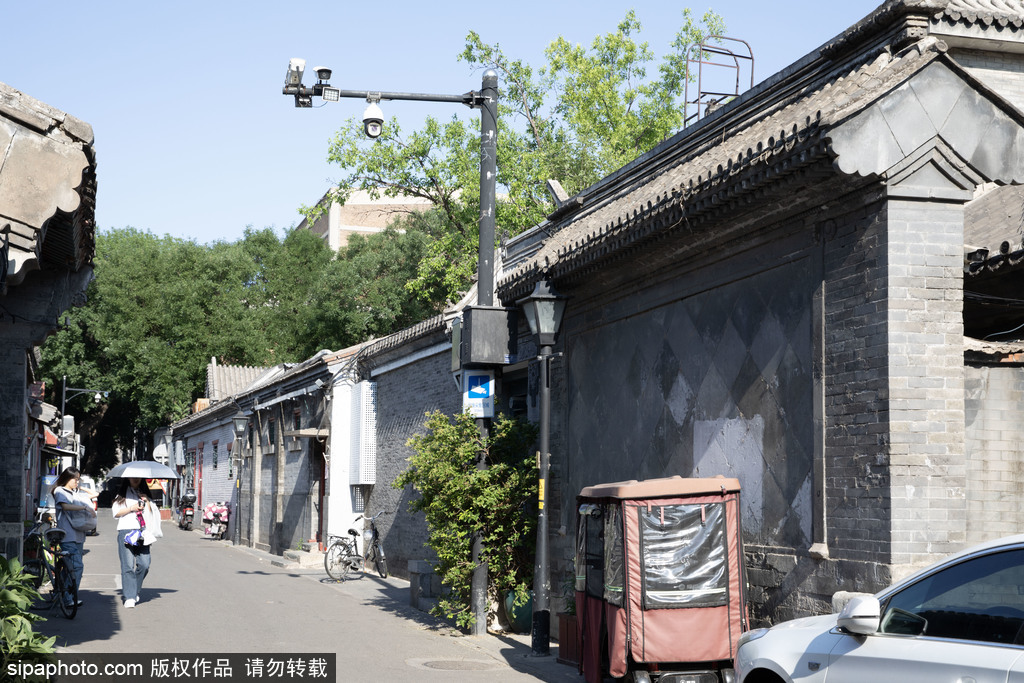
Mao'er Hutong is located in the Nanluoguxiang community, east connecting to Nanluoguxiang and west to Di'anmenwai Street, running east to west with a total length of 585 meters. In the Ming Dynasty, this area was called Wenchang Palace of Zitong Temple. In the Qing Dynasty, it was renamed Mao'er Hutong due to the presence of hat workshops. The General Map of Beijing in the Qianlong period provides a detailed depiction of it. Among the 16 hutongs in Nanluoguxiang community, it was the longest and only that directly connects Nanluoguxiang and Di'anmenwai Street.
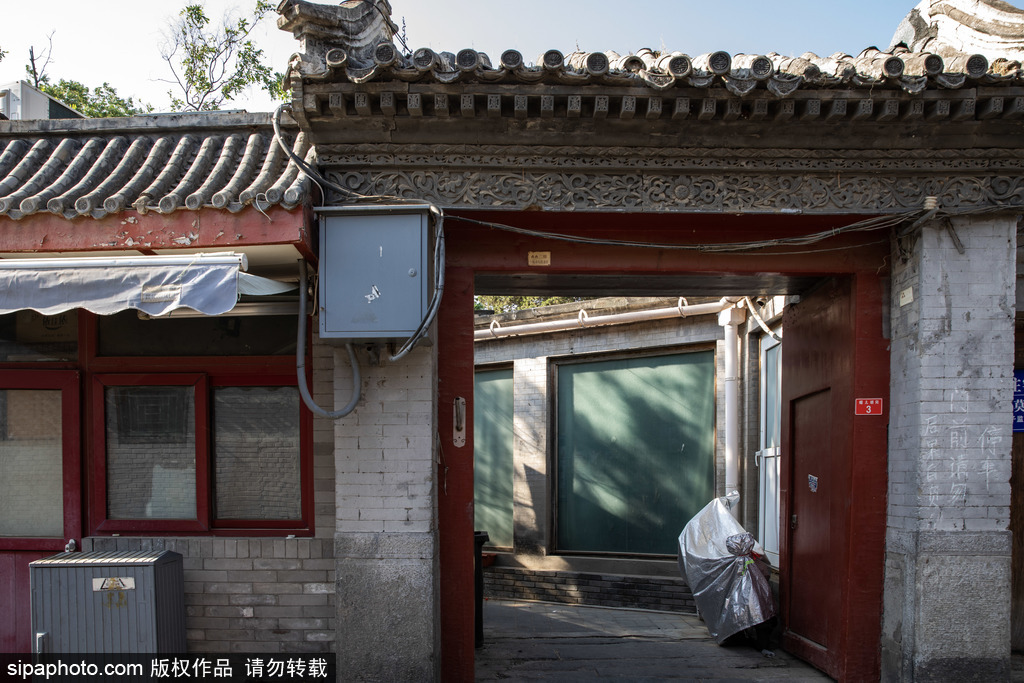
Today, Mao'er Hutong has undergone significant changes. If you ask elderly residents about the biggest change in this hutong, they would definitely tell you that there were not so many cars and people here in the past. Before Nanluoguxiang was developed for commercial purposes, it was still rather quiet. However, it was in a tranquil alley that has witnessed many legendary stories. It is hoped that these stories will not be overshadowed by the hustle and bustle. It is also expected that the hutong and courtyards could become a carrier that runs through history, the present, and the future, integrating historical culture and natural ecology.