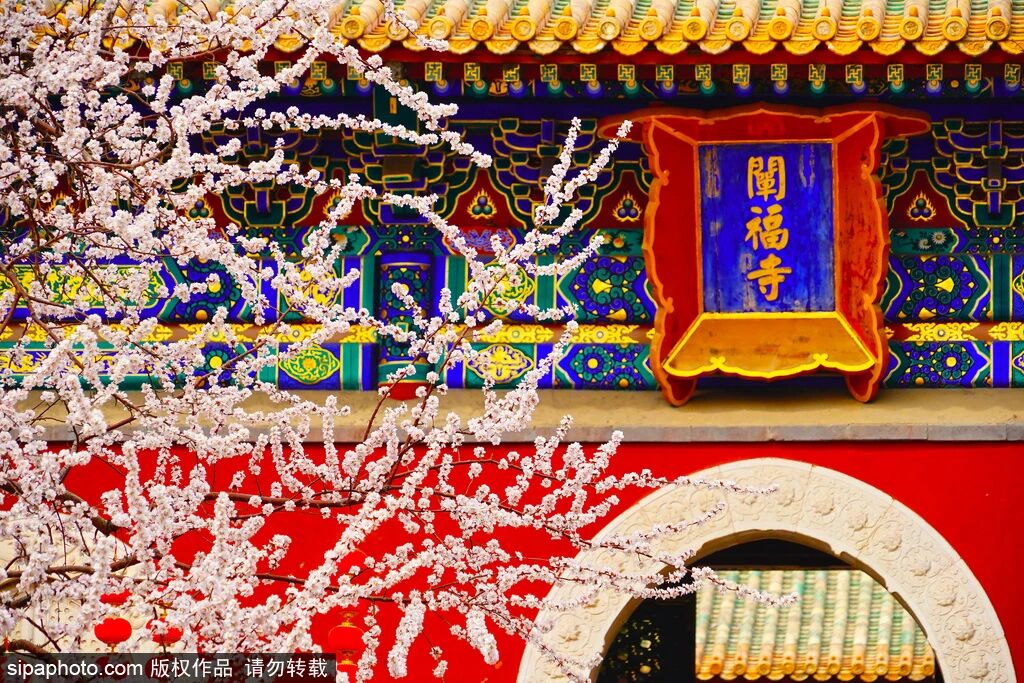
In the recent craze of TV dramas, the espionage thriller "War of Faith" undoubtedly takes the lead. One particular line from the show has ignited the internet: "China has an ancient saying: ' Ride the long wind to break through the waves, the barren land you see will, given time and patience, surely grow into fertile fields capable of sustaining the world's economy.'" This time, let's uncover the beauty of our homeland with Wei Ruolai's method in "War of Faith"! Let's explore Beijing.
Simatai Great Wall
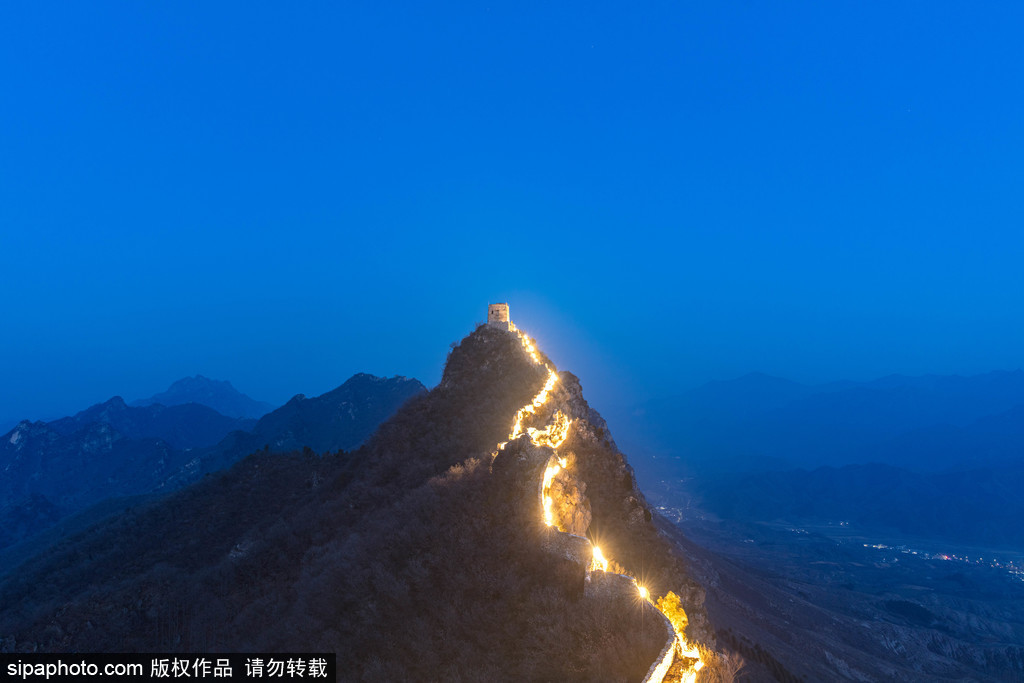
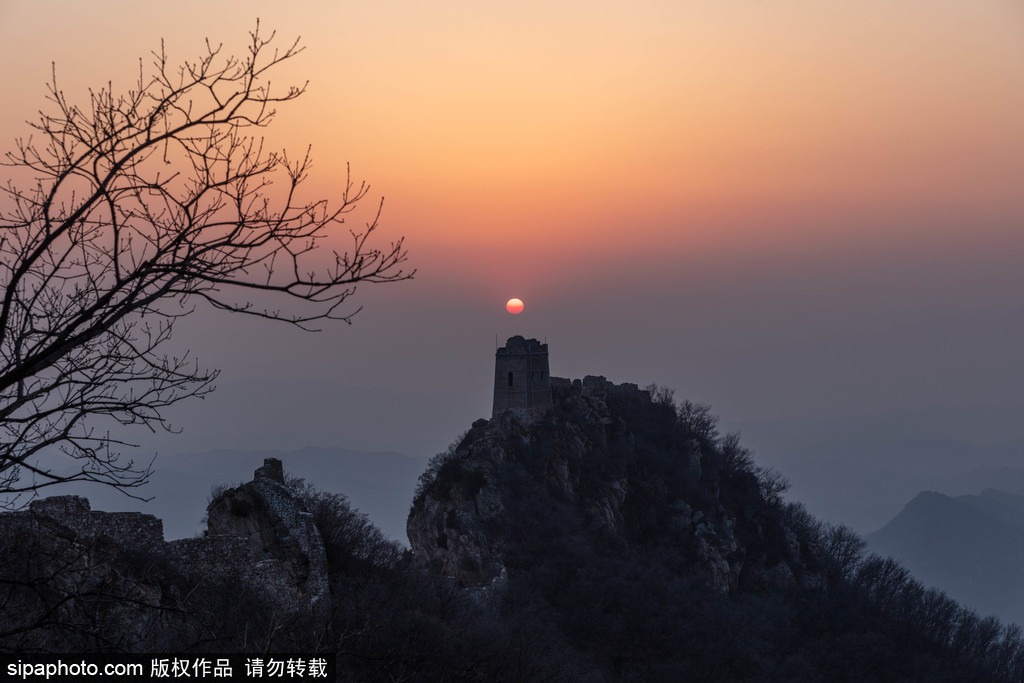
The Simatai Great Wall preserves the original appearance of the Ming Dynasty Great Wall, with sections rising and falling along the mountain ridges, presenting a particularly majestic and unique sight. A nighttime visit to the Great Wall offers a breathtaking view of the myriad lights twinkling below, evoking a sense of awe.
Address: Simatai Village, Gubeikou Town, Miyun District
Mutianyu Great Wall
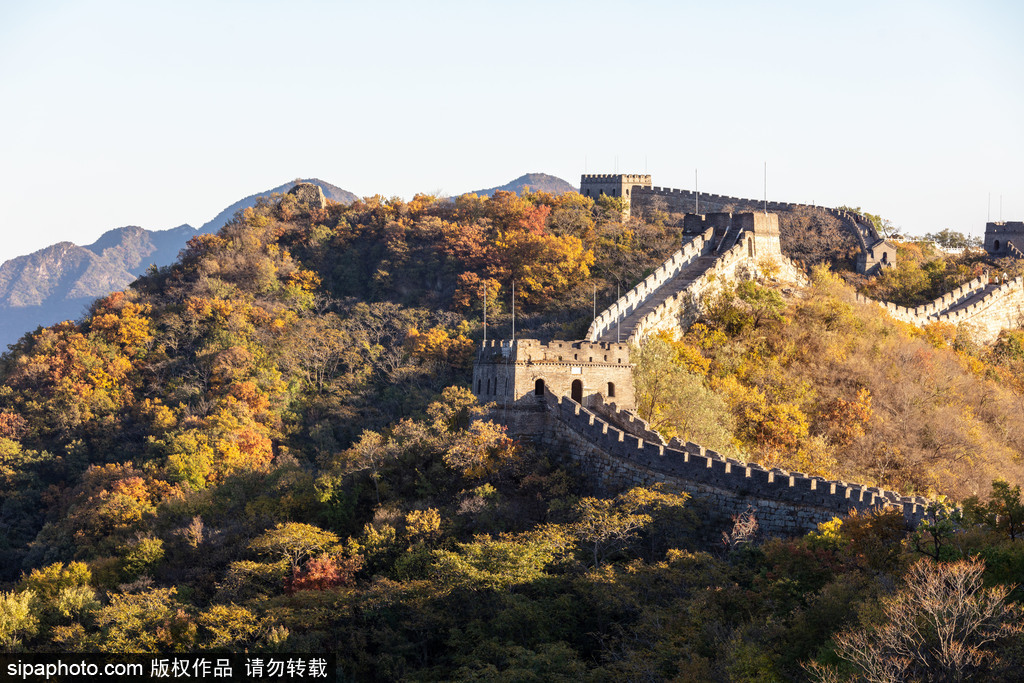
Surrounded by mountains, the Mutianyu Great Wall boasts picturesque scenery, with over 96% of the area covered in vegetation. The plant seasonal landscapes are vibrant and diverse, and the natural ecological environment is excellent, creating a natural ecological oxygen bar.
Every year from mid to late March to mid-April marks the most beautiful time to admire the flowers at Mutianyu Great Wall. The ancient charm, winding path, gray-brick roofs, and colorful trees and flowers all contribute to its beauty.
Address: Mutianyu Village, Bohai Town, Huairou District
The Old Summer Palace
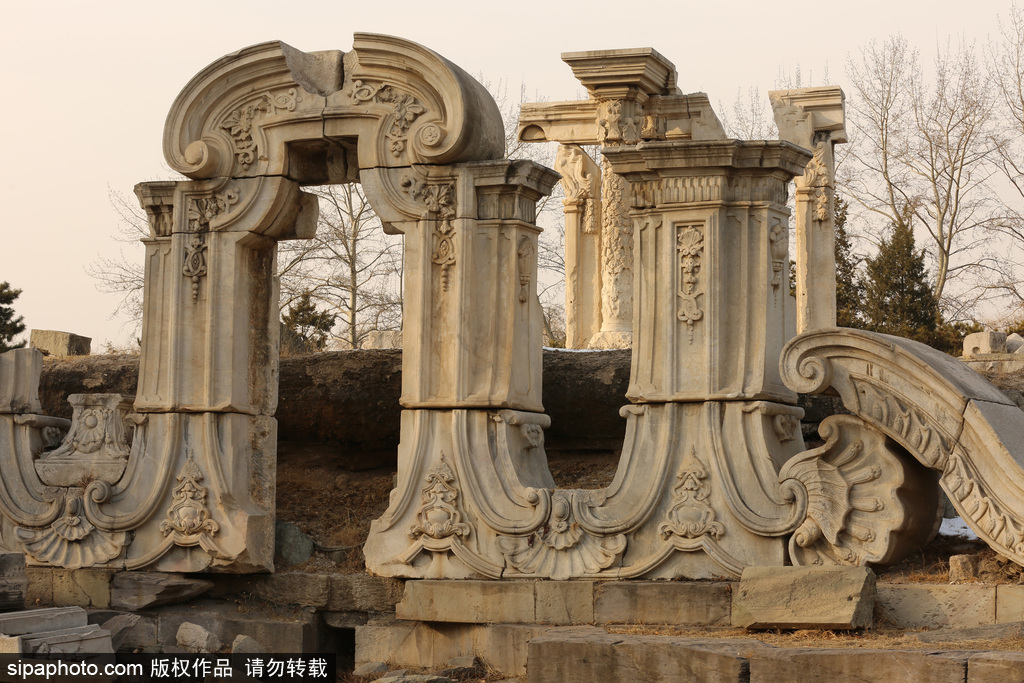
The royal garden Yuanmingyuan, once renowned for its extraordinary artistic charm worldwide, was considered the Eastern counterpart to the Parthenon in Greece and the pyramids in Egypt. However, it was ravaged by war in 1860, leaving it in ruins. The Yuanmingyuan Park Ruins, built upon the remnants of the palace, have gradually regained their former glory through years of cleaning, archaeological excavations, and restoration efforts. The former imperial garden, now open to the public, blends seamlessly into daily life with its welcoming and colorful presence.
Address: 28 Qinghua Xi Lu (Rd West), Haidian District
Lugou Bridge (Marco Polo Bridge)
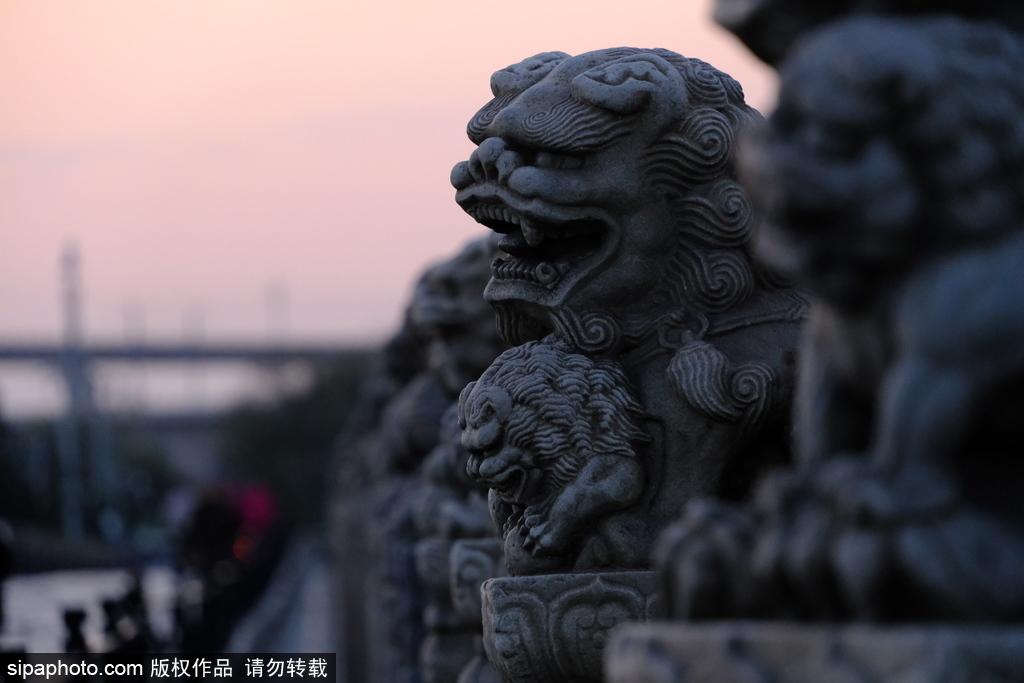
As Beijing's oldest surviving ancient bridge, the Marco Polo Bridge spans the Yongdinghe like a beautiful rainbow. The ancient bridge is named Lugou Bridge because the Yongdinghe was once called Lugouhe.
Located northeast of the bridge is a pavilion built with four coiled dragon columns, housing a monument inscribed with the characters "Morning Moon Over Lugou," penned by Emperor Qianlong of the Qing Dynasty. It was once hailed as one of the "Eight Scenic Views of Yanjing."
Address: Wanpingcheng, Fengtai District
Great Hall of the People
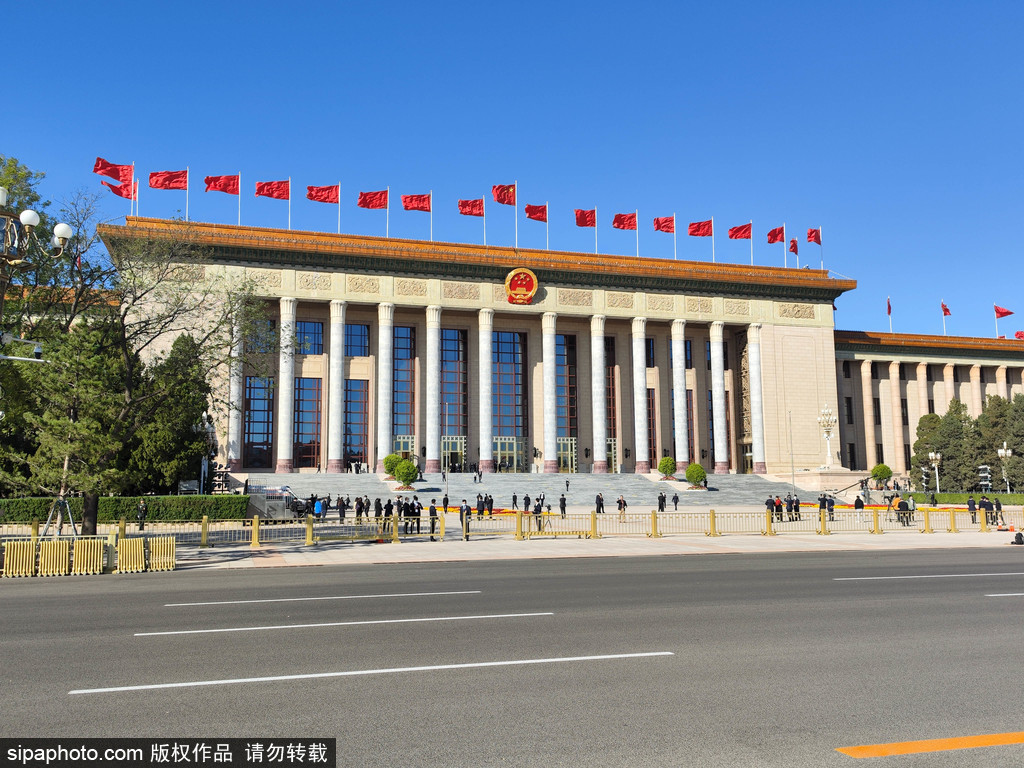
China's largest "living room" - the Great Hall of the People, covers a total area of 171,800 square meters, equivalent to the size of 24 football fields. Inside the Great Hall of the People is the "Golden Hall," which hosts cultural performances and commercial events. Visitors are warmly welcomed to our "living room"!
Address: Xichang'anjie (Ave), Xicheng District
National Museum of China
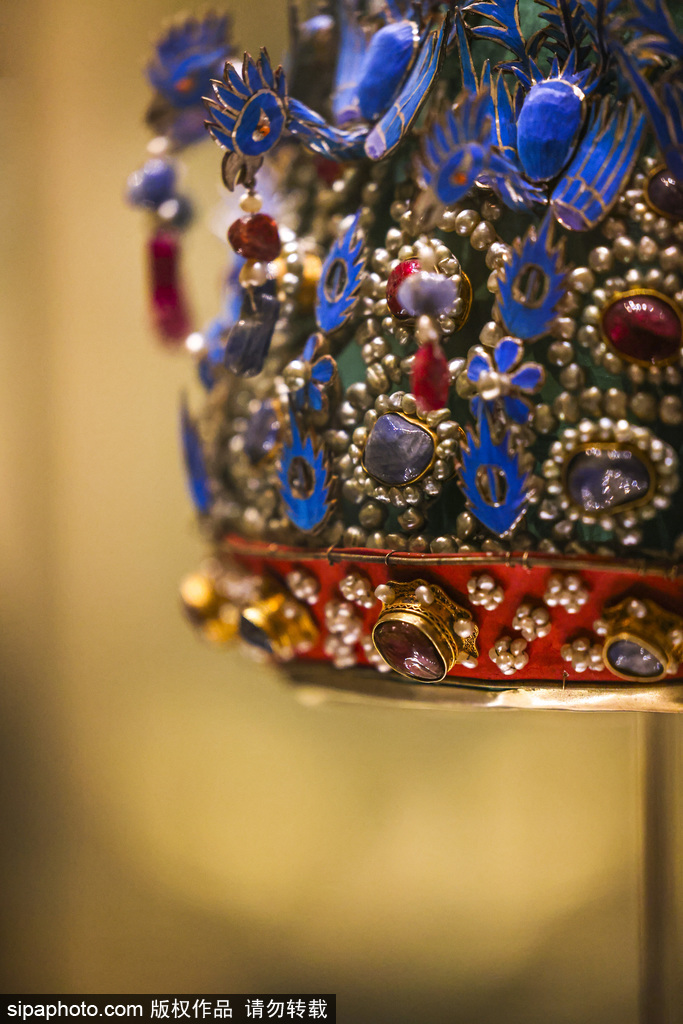
The National Museum of China, also known as the National Museum (Guobo), stands opposite the Great Hall of the People, representing the highest historical, cultural, and artistic hall of China's national collection, research, display, and interpretation of Chinese culture. Wang Chunfa, the museum's director, once said, "When you come to the National Museum of China to see China, what you see is a China of history, development, struggle, and the future."
Address: 16 Dongchang'anjie (Ave), Dongcheng District, East of Tiananmen Square
Tiananmen Square
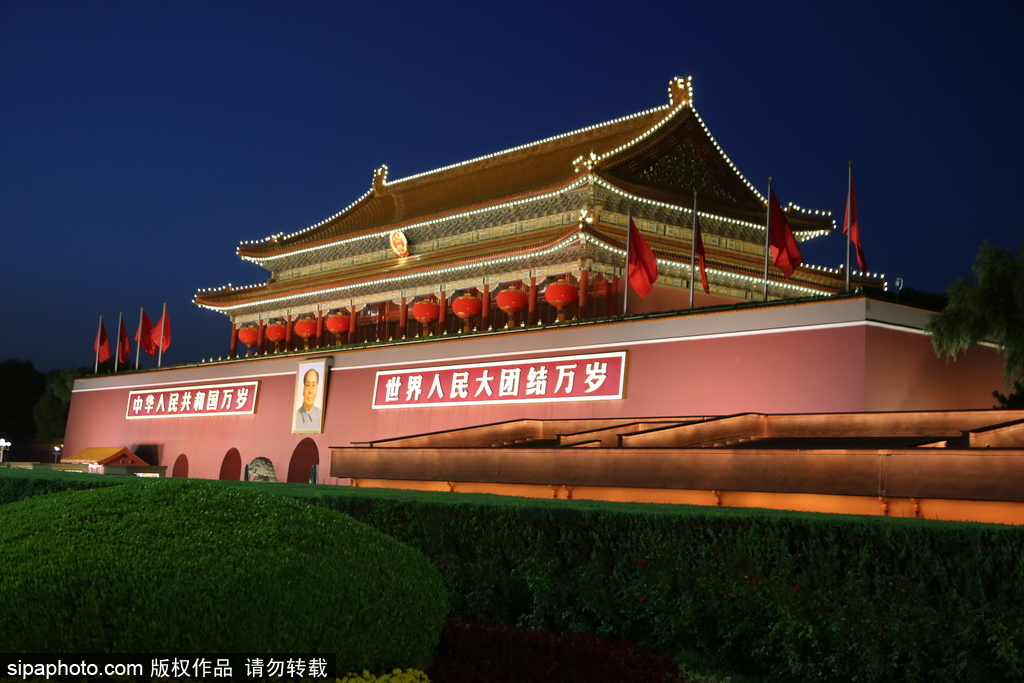
With its outstanding architectural artistry and unique political significance, Tiananmen Square captivates the attention of the world. As the national anthem plays, and the national flag rises in the morning mist, may our country enjoy prosperity!
the Forbidden City
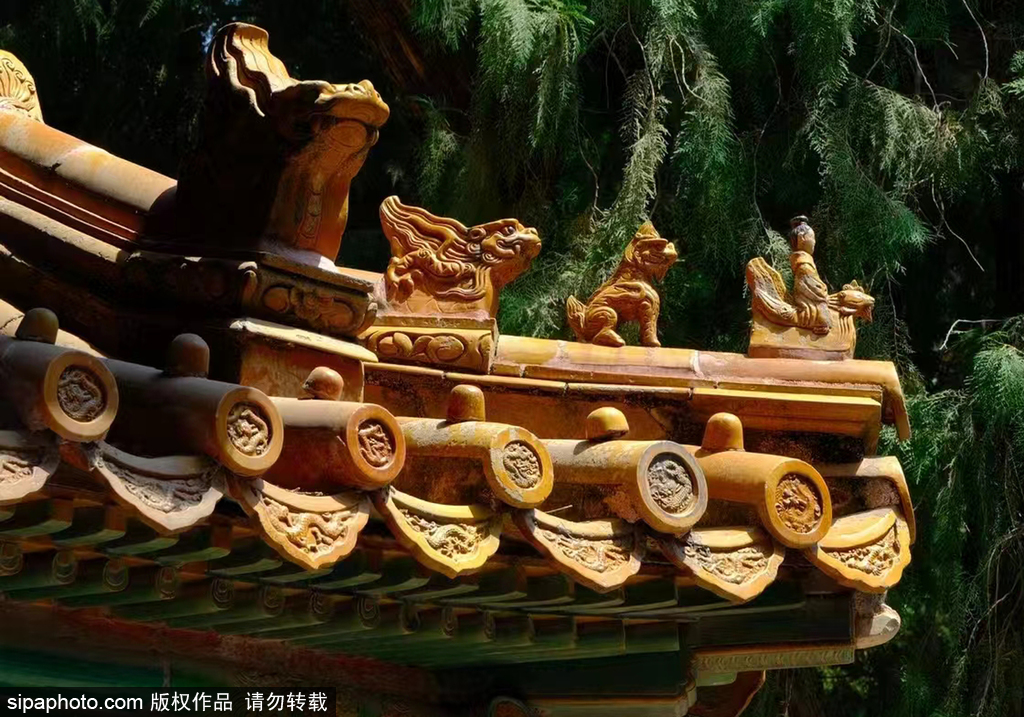
Occupying the central position of the region, it is modeled after the circular arrangement of the Ziwei constellation and the square arrangement of the Taiwei constellation. The Forbidden City, the ancient palace of the emperors, was built at the central part of the world to found a nation and at the central part of the nation to build a palace. It stands as the epitome of China's rich history and enduring civilization. Over its 600-year history, it has preserved the nation's memories and carried forward the essence of Chinese culture, embodying the soul and spirit of one city and one country.
Address: 4 Jingshan Qianjie (St), Dongcheng District
the Temple of Heaven
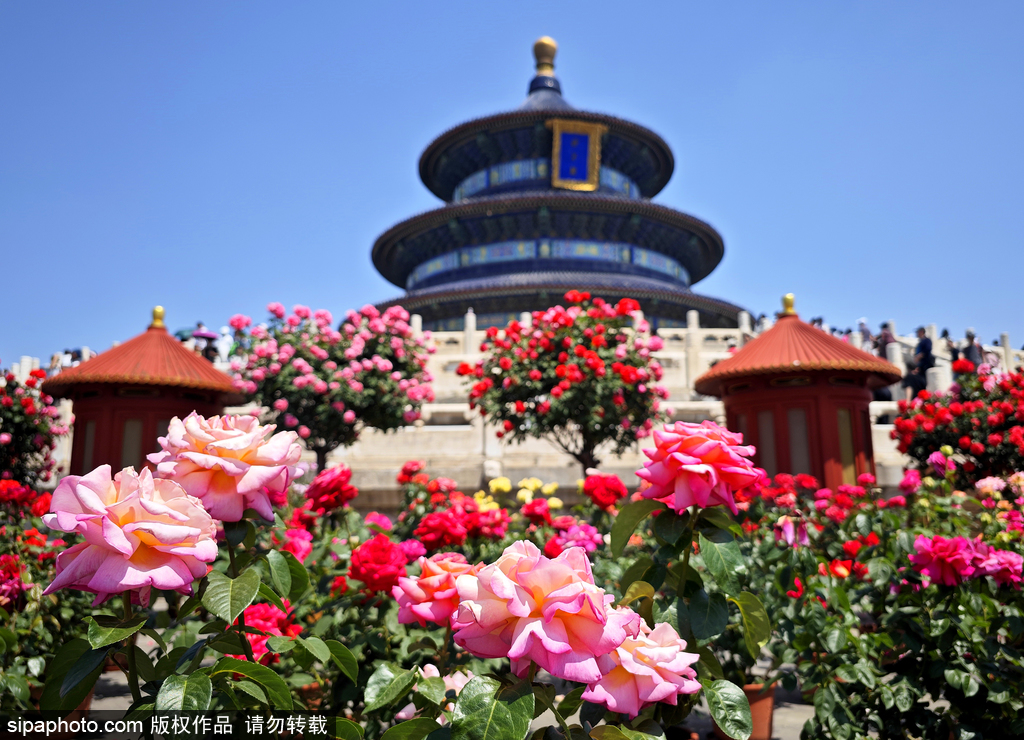
With its architecture laid out in the shape of a "回" (Hui) character, the Temple of Heaven comprises an inner altar and an outer altar, with the walls of the temple forming a round shape in the south and a square shape in the north, symbolizing the "round sky and square earth." It served as the venue for sacrificial ceremonies and prayers for good harvests by emperors of the Ming and Qing Dynasties and is the world's largest existing architectural complex for sacrificial ceremonies.
Address: 1 Tiantan Donglijia, Dongcheng District
Ditan Park (Altar of Earth)
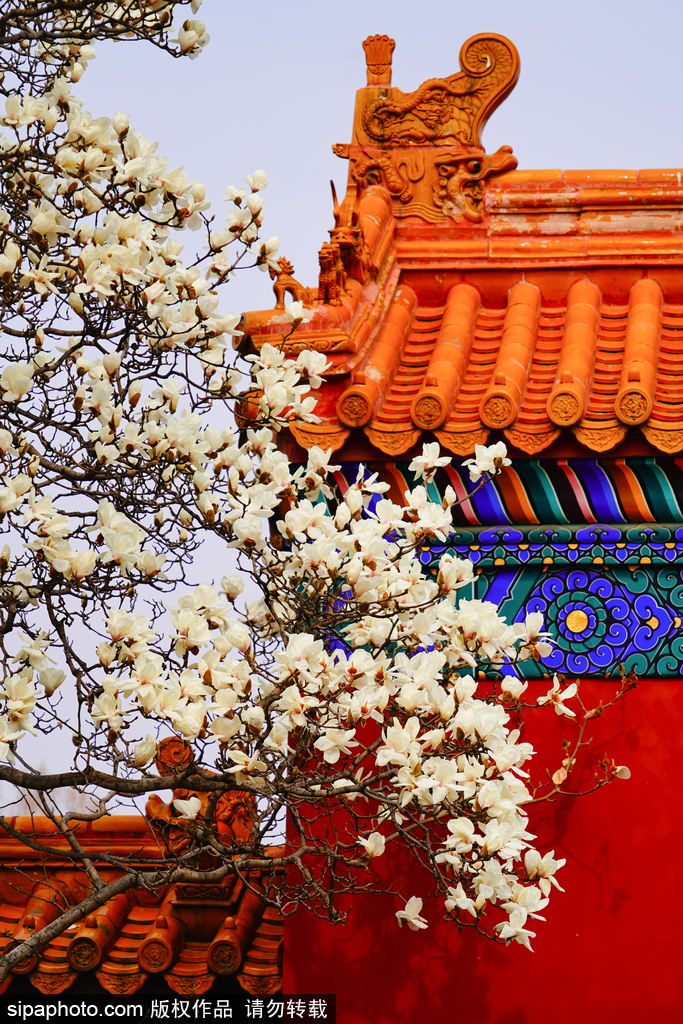
In his book " The Temple of Earth and Me“, Shi Tiesheng describes the allure of seasons and beautiful scenery in Ditan Park. With its ancient trees, benches, and warm sunshine, nature and humanity blend here, showcasing urban life. You can sit down and listen to the wind, admire the flowers, or contemplate the passage of time and history in front of ancient buildings.
Address: Andingmenwai Dajie (St), Dongcheng District
National Stadium
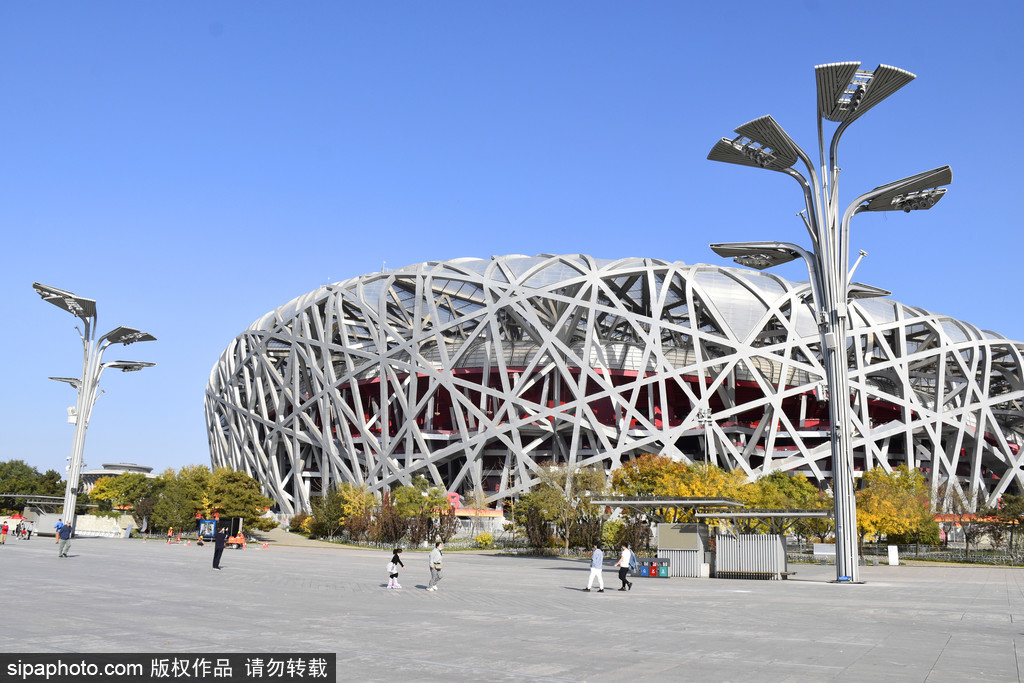
Resembling a bird's nest woven from branches, the National Stadium, or the Bird's Nest, combines traditional Chinese cultural elements of hollowing, ceramic patterns, and vibrant reds with cutting-edge steel structure design.
The Bird's Nest is the world's first "dual Olympic opening and closing ceremony venue." It not only embodies dreams of the Olympics and architecture but also witnesses the aspirations of a great nation toward the future, marking China's continuous progress toward openness in its history.
Address: Olympic Park, 1 National Stadium Nanlu (Rd South), Chaoyang District
Qianmen Dajie (St)
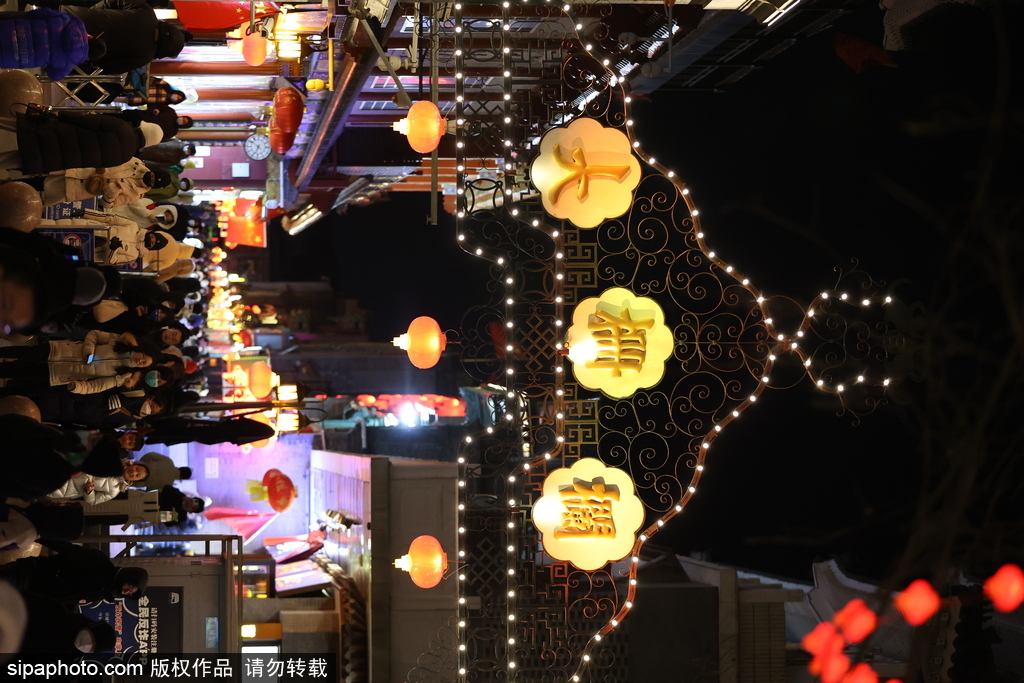
Qianmen Dajie (St), with its classical charm during the day and bustling lights at night, attracts countless locals and tourists. As the historical "Front Gate of the Imperial City" transformed into today's "Cultural Gate of Beijing," Qianmen has always retained the essence of old Beijing's lifestyle and flavors.
The beauty of our motherland extends beyond these sites. These historical monuments, sculpted by time, record the civilization of the Chinese nation, awaiting you to explore them firsthand and feel their essence with your own eyes.
Address: Xiaojiang Hutong, Dongcheng District