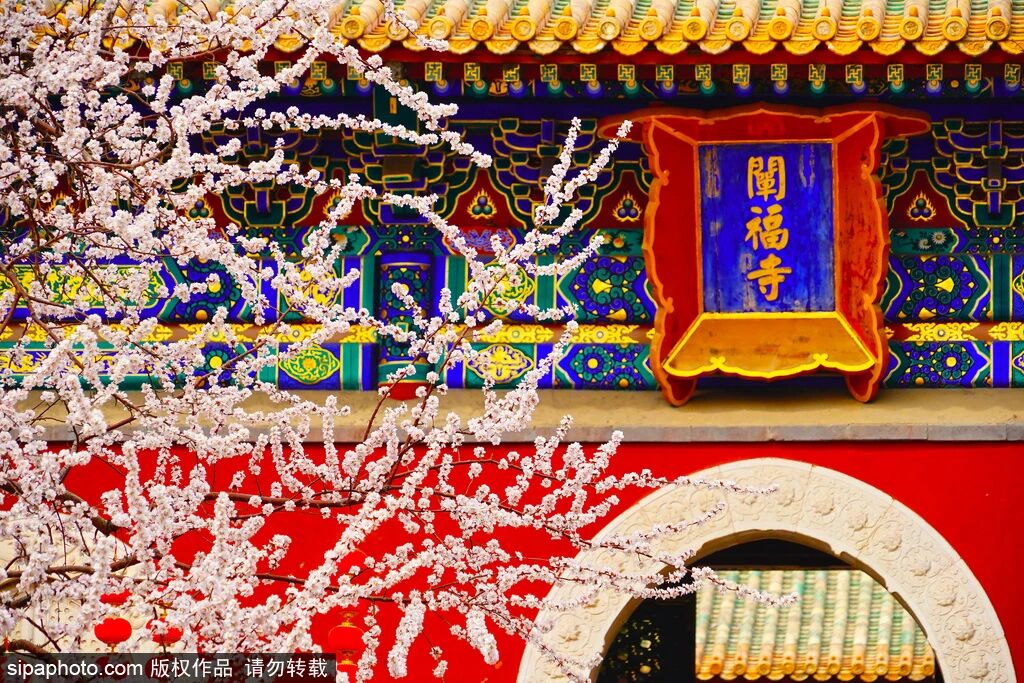
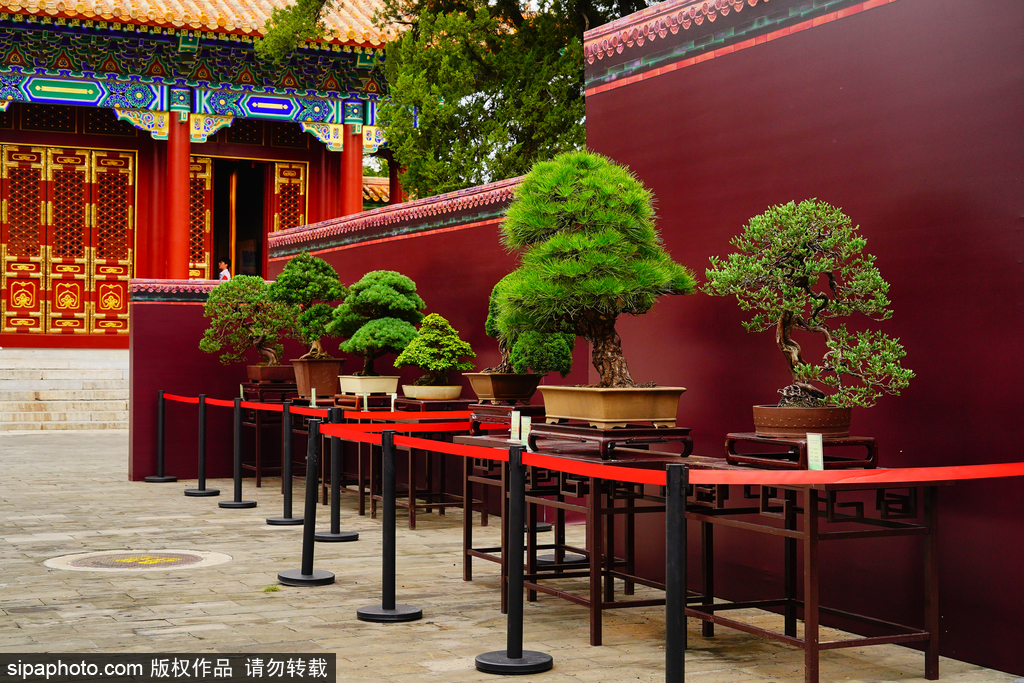
On July 29, the 14th Jingshan Garden Beijing Bonsai Exhibition welcomed exquisite bonsai works from Shanghai Botanical Garden and Suzhou's Humble Administrator's Garden. The "Haipai and Supai Bonsai Joint Exhibition" is showcased at the Shouhuang Hall in Jingshan Park, featuring 50 distinctive bonsai pieces that offer high-quality artistic enjoyment to the citizens and visitors of Beijing.
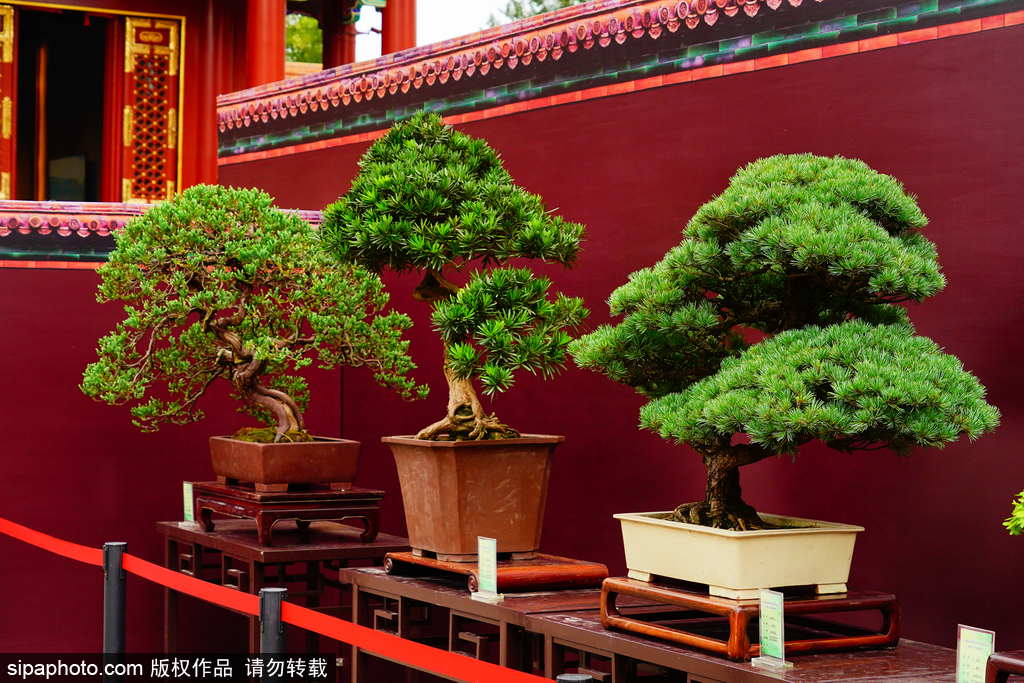
Southern bonsai is renowned for its meticulous detail and intricate layout. The exhibited works are prime examples of the finesse and elegance of southern bonsai, including 30 Haipai bonsai and 20 Supai bonsai.
The Haipai bonsai from Shanghai Botanical Garden include ten tree species such as juniper and pine, and ten styles like waterside, cliff, and upright. Ge Weijia, Deputy Director of the Bonsai Management Center at Shanghai Botanical Garden, introduced that as an important branch of the "Five Major Schools" of Chinese bonsai art, Haipai bonsai follows natural methods and is characterized by its diverse, theme-focused, layered, and variable layouts, reflecting the unique charm of Haipai culture. These bonsai strive to embody the wild charm of mountains and forests, emphasizing the natural forms of ancient trees and the individuality of tree species, guiding them to achieve both spirit and form. In terms of techniques, Haipai bonsai is innovative, combining pruning and wiring, using metal wires to bend branches into shape. It is one of the first schools in China to use metal wires in bonsai processing. After wiring and shaping, they are meticulously pruned to maintain a graceful form, balancing rigidity and flexibility, appearing fluid and natural.
Ge Weijia recommended, "The Golden-leaf Five-needle Pine is a representative of Haipai bonsai, and the Shanghai Botanical Garden is one of the largest collectors of this species. Its leaves are brownish-yellow, with an ancient and sturdy appearance. We welcome citizens of the capital to come and appreciate it."
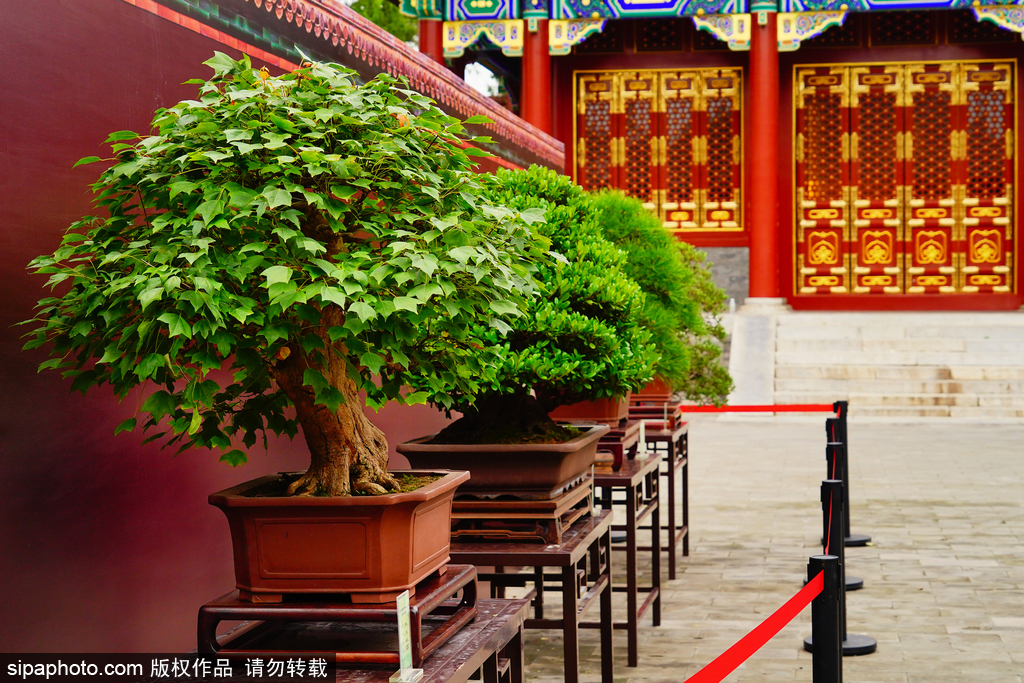
The Supai bonsai from Suzhou's Humble Administrator's Garden is also one of the "Five Major Schools" of Chinese bonsai. Feng Yuyu, Deputy Director of the Management Office of the Humble Administrator's Garden, introduced that the 20 bonsai brought to Beijing include traditional tree species such as black pine, juniper, Chinese sweetgum, and elm. One of the bonsai, "Listening to Pine", won the first prize at the 1999 Provincial Horticultural Fair. Some bonsai have been nurtured for over 40 years and are considered masterpieces of Supai bonsai.
Feng Yuyu said, "Supai bonsai is known for its ancient and simple elegance. Decades to over a hundred years old gnarled branches are cultivated in small pots, standing less than 0.33 meters tall, naturally formed into various shapes—suspended, drooping, leaning, or upright—paired with ancient pots and Suzhou-style stands, exuding an antique charm. It absorbs the essence of classical garden art, integrates the strengths of Chinese painting techniques, and uses artistic methods such as ‘seeing the big in the small' to achieve an emotional resonance within and beyond the scenery. With its profound cultural heritage and meticulous craftsmanship, it interprets the essence of Jiangnan gardens."
Zhou Mingjie, Head of the Garden Technology Department at Jingshan Park, stated that this joint exhibition is not only a display of bonsai art but also a cultural exchange and inheritance. The collection of northern and southern bonsai showcases the diversity and inclusiveness of Chinese bonsai art and vividly presents China's intangible cultural heritage.
The "Haipai and Supai Bonsai Joint Exhibition" is expected to run until late August.
Translator: Feng Haoxuan
Reviewer: Ding Hongwei