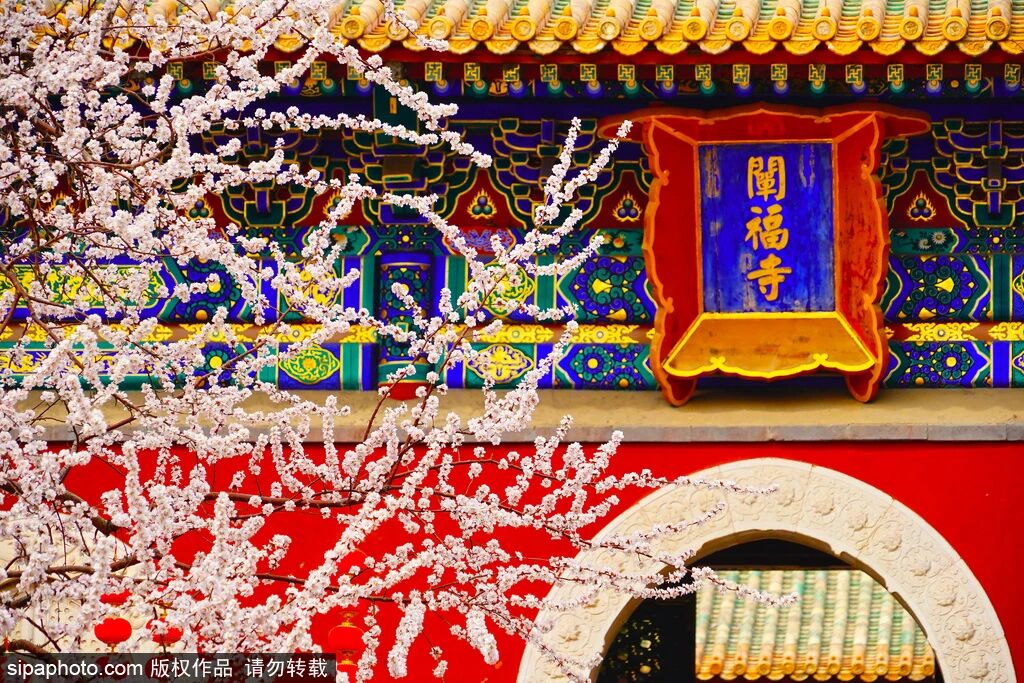
Xiangshan holds a significant place in the history of the Communist Party of China and the People's Republic of China. The red of Xiangshan is not only the red of maple leaves but also the red of revolution. On Party's Day, let's visit Xiangshan to relive the revolutionary spirit and pass on the red legacy.
Xiangshan Museum of the Founding of New China
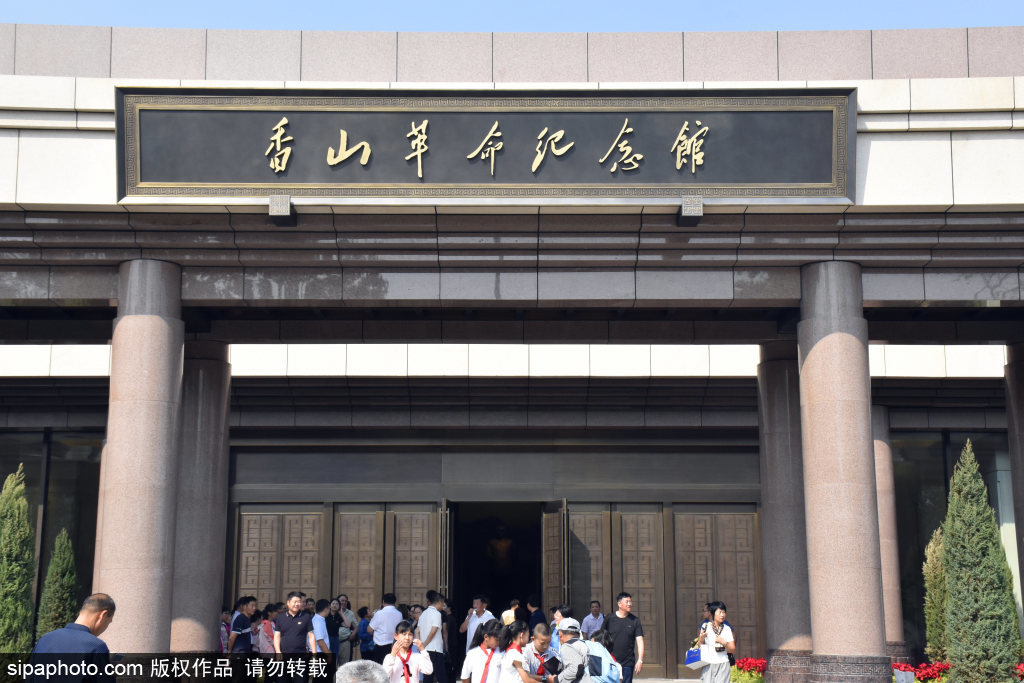
The Xiangshan Museum of the Founding of New China began construction on April 23, 2018. Covering an area of 2.4 hectares with a building area of 17,985 square meters, the museum's south building features 28 columns symbolizing the 28 years of the Communist Party of China's struggle from its founding to the establishment of the nation.
This location once served as the headquarters of the Central Committee of the Communist Party of China, witnessing the crucial historical moments from the preparation to the founding of the People's Republic of China.
The museum officially opened to the public in September 2019, featuring the main exhibition "Laying the Foundation for New China: The Central Committee of the Communist Party of China at Xiangshan." The exhibition is organized into five parts according to historical development and is currently the only large-scale exhibition in China that comprehensively showcases the glorious history of the Central Committee's time at Xiangshan.
The exhibition vividly presents the Communist Party of China's struggle through more than 800 photos, news clippings, maps, and charts, along with over 1,200 artifacts, documents, and archives. These exhibits provide a panoramic review of the party's leadership in leading the Chinese people to nationwide victory and the establishment of the People's Republic of China.
Address: No. 1, Hongfeng Road, Haidian District, Beijing
Shuangqing Villa
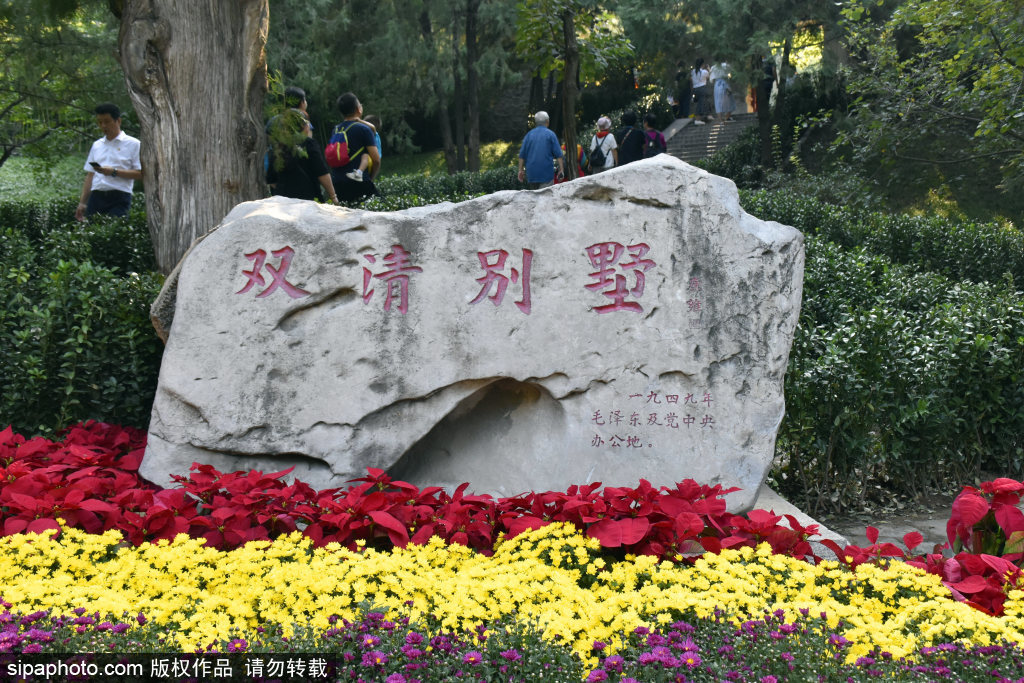
Shuangqing Villa is a courtyard built into the hillside, originally part of the "Songwu Yunzhuang" estate built in the tenth year of the Qianlong reign (1745) during the Qing Dynasty, on the site of the former Qiyun Tower. In 1917, following a flood in Zhili, the educator Xiong Xiling established the Xiangshan Orphanage in Xiangshan and made this location his private residence, renaming it Shuangqing Villa.
As the first stop of the Communist Party of China upon entering Beijing, Shuangqing Villa served as the command center of the Central Committee, witnessing the arduous journey of the Chinese Revolution and embodying the hope and determination of China on its path to victory.
From March to September 1949, Mao Zedong lived and worked here, where he wrote influential articles such as On the People's Democratic Dictatorship and directed the pivotal Yangtze River Crossing Campaign. He also penned the famous poem Capture of Nanjing by the People's Liberation Army. Shuangqing Villa witnessed the significant moments of the "Red Route to Beijing," where epic stories that shaped China's destiny and future were written.
Today, Shuangqing Villa is an important historical site and memorial. Visitors can explore the villa's exhibitions and displays to learn about the history of the Chinese Revolution and Mao Zedong's life. The villa preserves valuable historical artifacts, including furniture, documents, and photographs from that era, allowing people to experience the atmosphere of that significant period more authentically.
Beyond its historical significance, Shuangqing Villa is a beautiful and pleasant place. The villa is surrounded by lush trees and clear streams, creating a serene and picturesque environment. You can take a leisurely walk here and enjoy the tranquility and beauty of nature.
Address: Fragrant Hills Park, Southern Hillside, Haidian District, Beijing
Biyun Temple
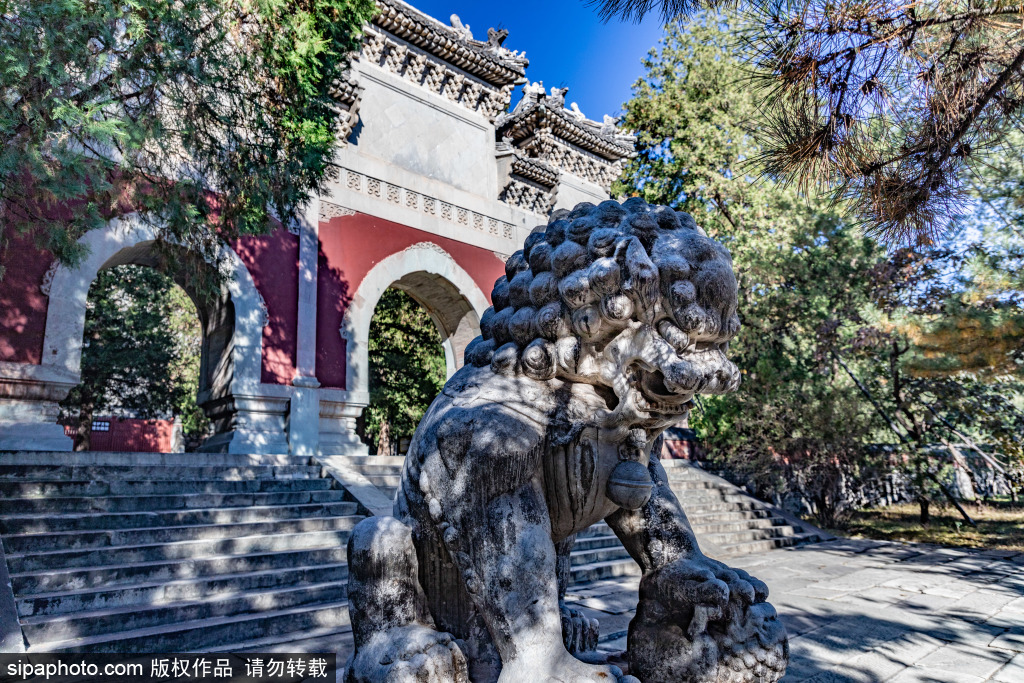
Biyun Temple, originally named Biyun Nunnery, was founded in the second year of the Zhishun era of the Yuan Dynasty, nearly 700 years ago. The temple, which faces east and covers an area of 40,000 square meters, had its architectural style primarily established during the Ming Dynasty. In the thirteenth year of the Qianlong reign in the Qing Dynasty, Biyun Temple underwent significant renovations. During this time, the Pagoda with Vajra-base was constructed according to the design offered by the temple monks, and the imperial palace and Arhat Hall were added, forming the temple's present-day structure.
Biyun Temple is an ancient temple with rich historical and cultural significance. It is not only a sacred site for Buddhist worship but also holds important historical memories of the Chinese Revolution. The temple was once the temporary resting place of Dr. Sun Yat-sen's coffin, making it a site of great commemorative value.
Biyun Temple is divided into three main sections: the central route's main buildings, the Shuiquan Courtyard buildings, and the Arhat Hall buildings. The central route consists of six courtyards: the Mountain Gate, Mountain Gate Hall, Maitreya Hall, Mahavira Hall, Bodhisattva Hall, Sun Yat-sen Memorial Hall, and the Pagoda with Vajra-base, each forming a complete unit.
The architecture of Biyun Temple is unique. The Pagoda with Vajra-base is one of the main structures of the temple, towering into the sky with grandeur. The Five Hundred Arhats Hall is another significant building, housing five hundred Arhat statues that embody the essence of Buddhist culture. These buildings are valuable cultural heritage sites, allowing people to appreciate the charm of ancient Chinese architectural art.
Address: No. 40 Xiangshan Maimai Street, Fragrant Hills Park, Haidian District, Beijing
Translator: DING Hongwei
Reviewer: LI An