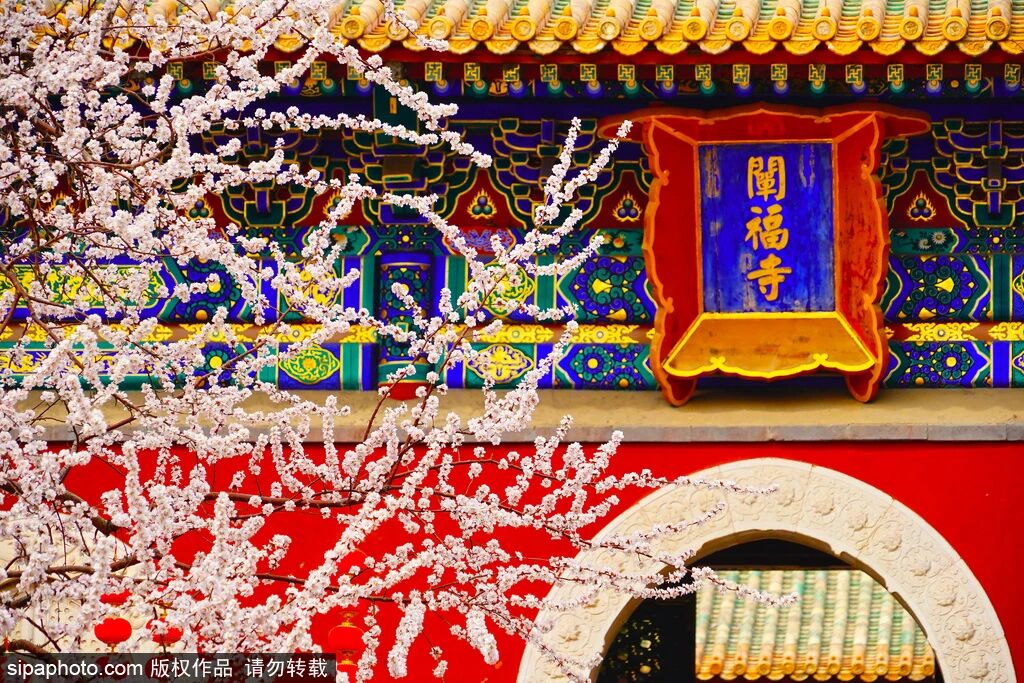
The colorful palette of nature, the limited beauty of blue water and sky, the visual impact of red walls and white snow... Beijing in winter has a unique charm. Let's check in these romantic spots in Beijing during winter and experience the local life.
Yuanmingyuan Park
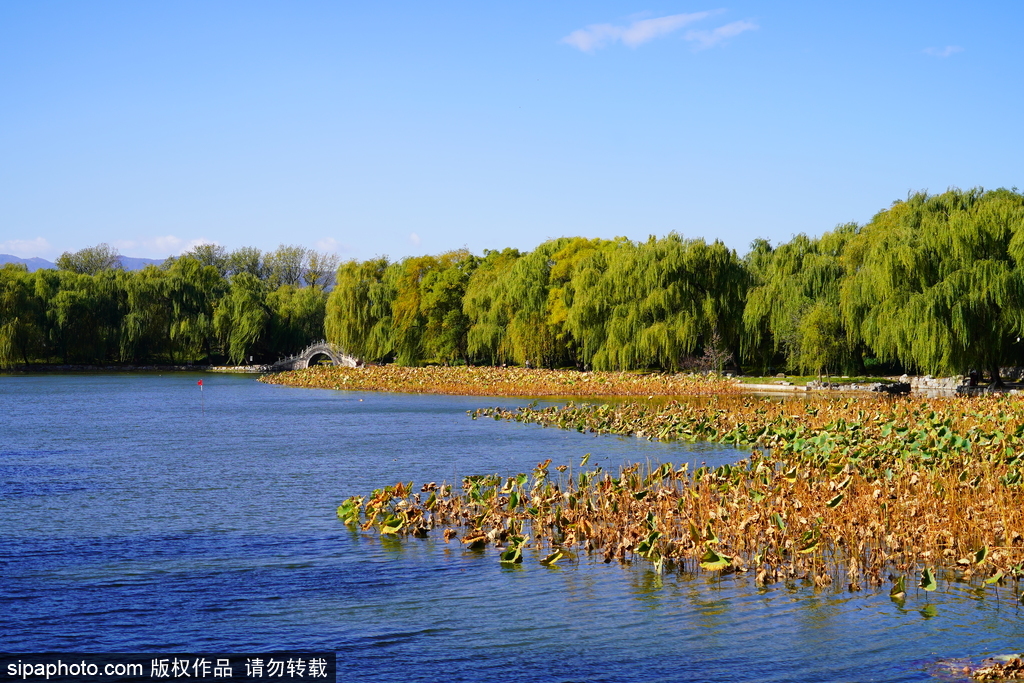
Yuanmingyuan Park was built in 1707 during the 46th year of the Kangxi Emperor's reign. It consisted of three gardens: Yuanmingyuan, Changchunyuan (Garden of Eternal Spring), and Qichunyuan (Garden of Blossoming Spring), covering an area of 350 hectares, including a water surface area of about 140 hectares. With over 100 scenic spots and a building area of over 160,000 square meters, it was a large imperial palace garden created and managed by the emperors of the Qing Dynasty for more than 150 years. It inherited the excellent traditional Chinese gardening concept of more than 3,000 years and was known as the "model of all gardening arts" and the "garden of all gardens." Nowadays, Yuanmingyuan Park, with the theme of the ruins, has formed a unique tourist landscape that combines solid history with a vibrant garden atmosphere.
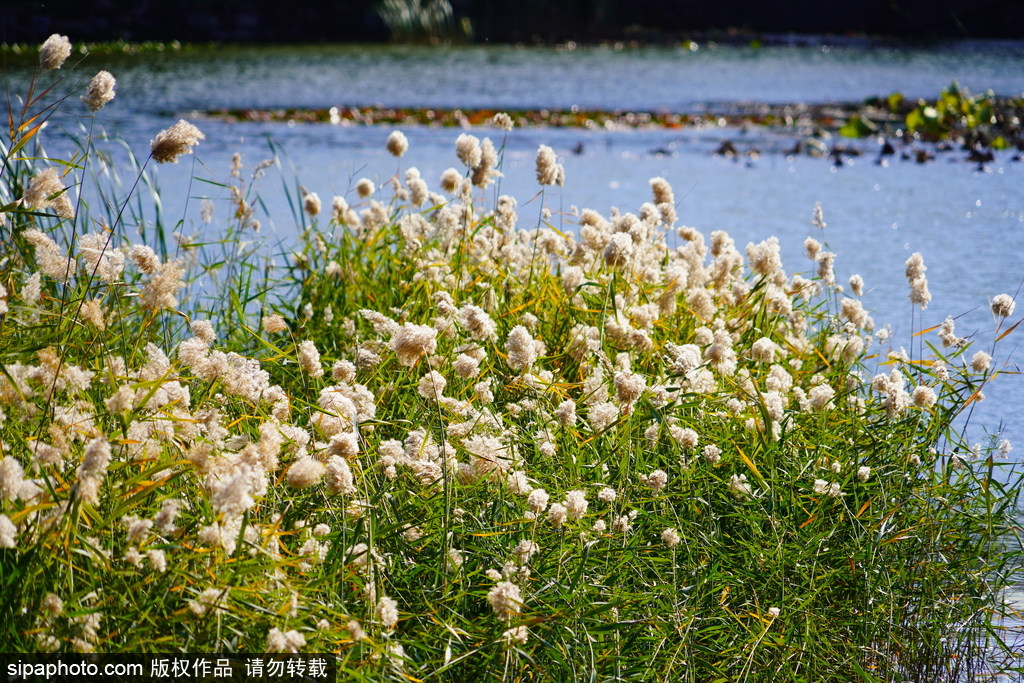
The water surface of Yuanmingyuan Park accounts for one-third of the entire park area, and reeds, as one of the main plants growing in wetland environments, are widely distributed in the park. From November to December each year, large areas of reed flowers can be seen swaying in the wind, with a dreamy and charming landscape. The reed landscape is mainly distributed around the lakes of Yulinglong Hall, Lion Grove, and Fuhai in Changchun Garden.
Reed flowers come in milky white, light red, pink, and dark red. With a gentle breeze, the entire reed sways with the wind, like a poem, like a painting, like a dream. They seem to be telling their own story and the history of Yuanmingyuan, passing on the past stories to every visitor who stops to admire them.
Address:
No. 19 Xinjian Gongmen Road, Haidian District, Beijing
Ticket Information:
Tickets can be reserved and purchased through the "Yuanmingyuan Park" WeChat official account and the "Yuanmingyuan Ticket" WeChat mini program.
On Cultural Heritage Day (the second Saturday of June every year), National Defense Day (the third Saturday of September every year), and the anniversary of the destruction of Yuanmingyuan (October 18), the entrance of entire park is for free.
Opening hours:
From April 1st to October 31st, the park gate opens at 6:00 am, ticket sales start at 7:00 am, ticket sales and entry stop at 7:00 pm, and the park closes at 9:00 pm. The Xiyang Lou(Chinese:西洋楼) opens at 7:00 am, entry stops at 7:00 pm, and the gate closes at 9:00 pm. The Shengshi Panoramic Model Exhibition (Chinese:盛时全景模型展) area opens at 7:00 am and closes at 7:00 pm.
From November 1st to March 31st of the following year, the park gate opens at 6:30 am, on-site ticket sales start at 7:00 am, ticket sales and entry stop at 5:30 pm, and the park closes at 7:30 pm.The Xiyang Lou (Chinese:西洋楼) scenic area opens at 7:00 am, entry stops at 5:30 pm, and the gate closes at 7:30 pm. The Shengshi Panoramic Model Exhibition (Chinese:盛时全景模型展) area opens at 7:00 am and closes at 5:30 pm.
Xiaotangshan hot springs
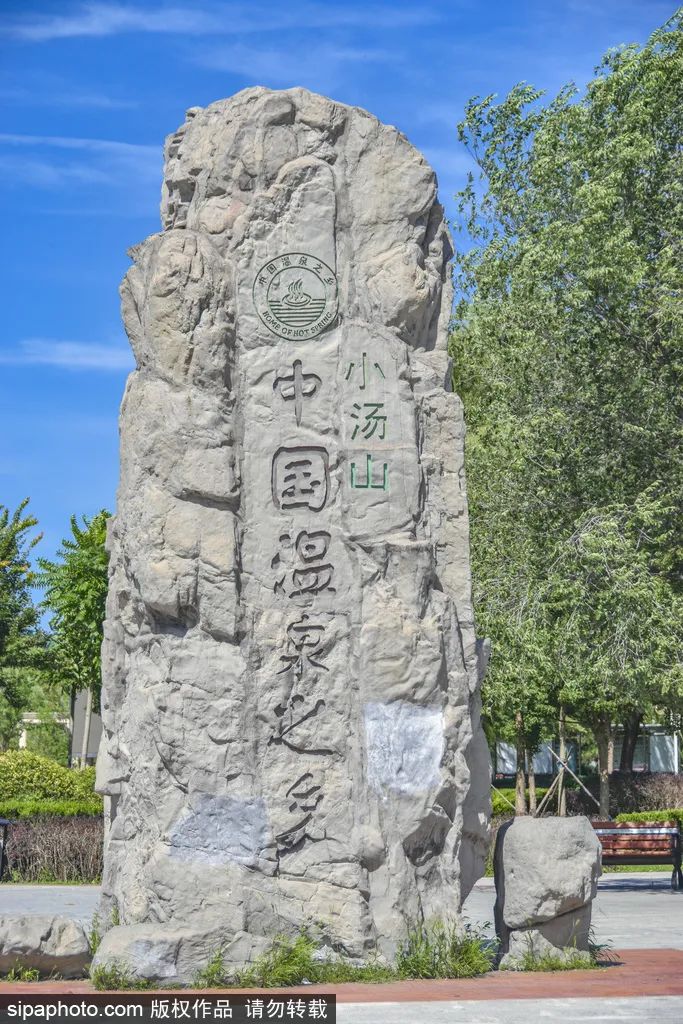
During the Liao Dynasty, Empress Dowager Xiao once came to Xiaotangshan hot springs and left behind famous scenic spots such as a dressing table. Emperor Kangxi of the Qing Dynasty built a hot spring palace here and came here many times to bathe in the hot springs to relieve fatigue. Even today, Xiaotangshan is still the favorite hot spring healing place for people in Beijing during the winter.
Xiaotangshan is located in north of Beijing, which is the extension of the central axis of Beijing to the north, also known as the extension of the "dragon vein" to the north. Xiaotangshan has both "Tang" and "Shan". "Tang" refers to the hot springs, "Shan" refers to mountain and there is indeed a "mountain", but it is very small, with an altitude of only 50 meters, and is a bare small stone mountain. Because of its natural advantage of abundant geothermal resources, it is in the leading position among many hot springs in Beijing and is known as the "Ancient Town of Hot Springs".
Jiuhua Resort Hot Spring
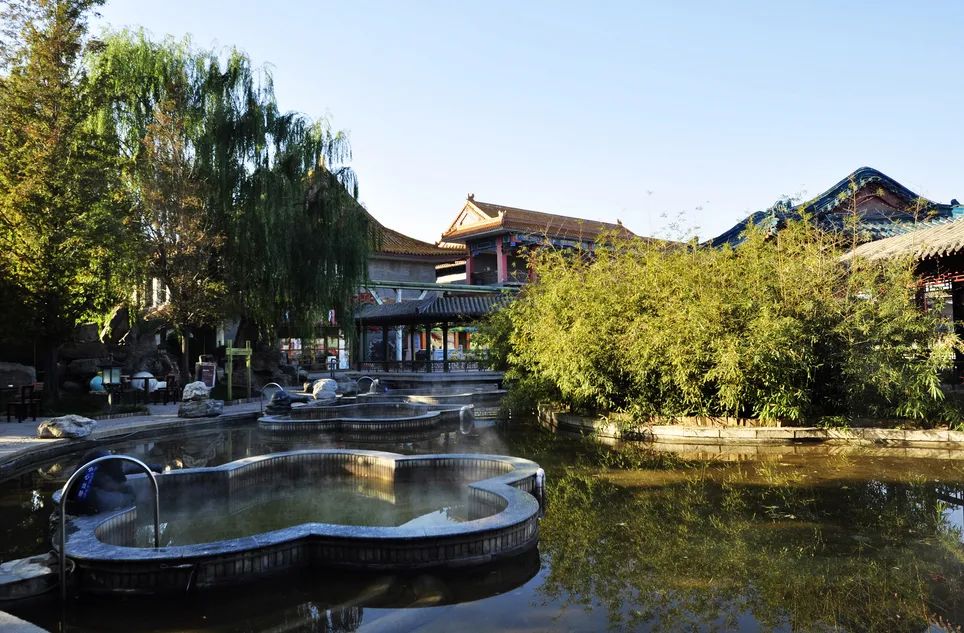
Jiuhua Resort Hot Spring is located in the famous hot spring town of Xiaotangshan. It has been known as the "golden soup pot" since ancient times. It integrates hot springs, medicinal baths, swimming, sauna, massage, catering, entertainment and other projects into one, and is a one-stop hot spring resort experience park. The "Jiuhua 18 Hutongs Private Hot Spring" has unique old Beijing characteristics. It is a courtyard-style private hot spring built on the basis of Beijing's quadrangle dwelling. From Gulou Street to Nanluogu Xiang, from Shijin Garden to Baihua Shenchu, there are a total of 18 rooms, ingeniously restoring the cultural heritage of Beijing's hutongs and quadrangle dwellings, and integrating private hot spring products, making it even more leisurely and comfortable.
Address: No. 75 Shunsha Road, Xiaotangshan Town, Changping District, Beijing
Xiaotang THE ONE
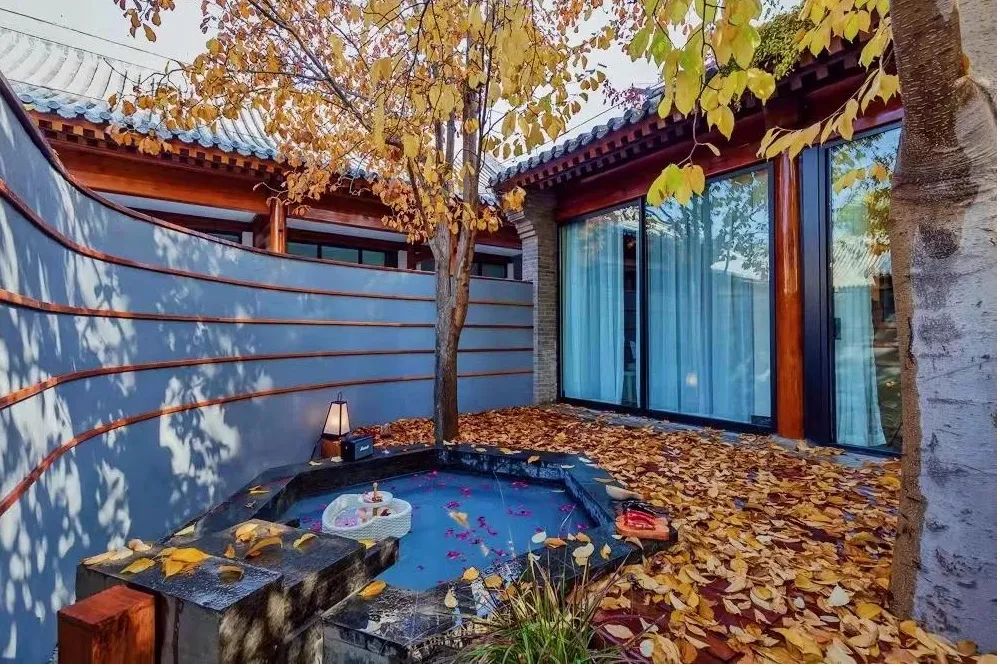
Xiaotang THE ONE is located in Changping District, based on a three-courtyard ancient mansion in the suburbs of Beijing. Combining classic Japanese design elements and the natural hot spring elements of Xiaotangshan to create a hidden, exquisite, and comfortable leisure resort in the city.
All facilities in the guest rooms have been carefully considered and arranged to meet guests' needs while adding a sense of warmth of staying at home. The perfect hotel equipment meets the pursuit of quality life of modern urbanites as much as possible, bringing guests a multiple experience of privacy, freshness, luxury, and belonging.
Address: West Building 10, Xiaotangshan Town, Changping District, Beijing
The "Golden Light Through Hole" of the Seventeen-Arch Bridge in the Summer Palace
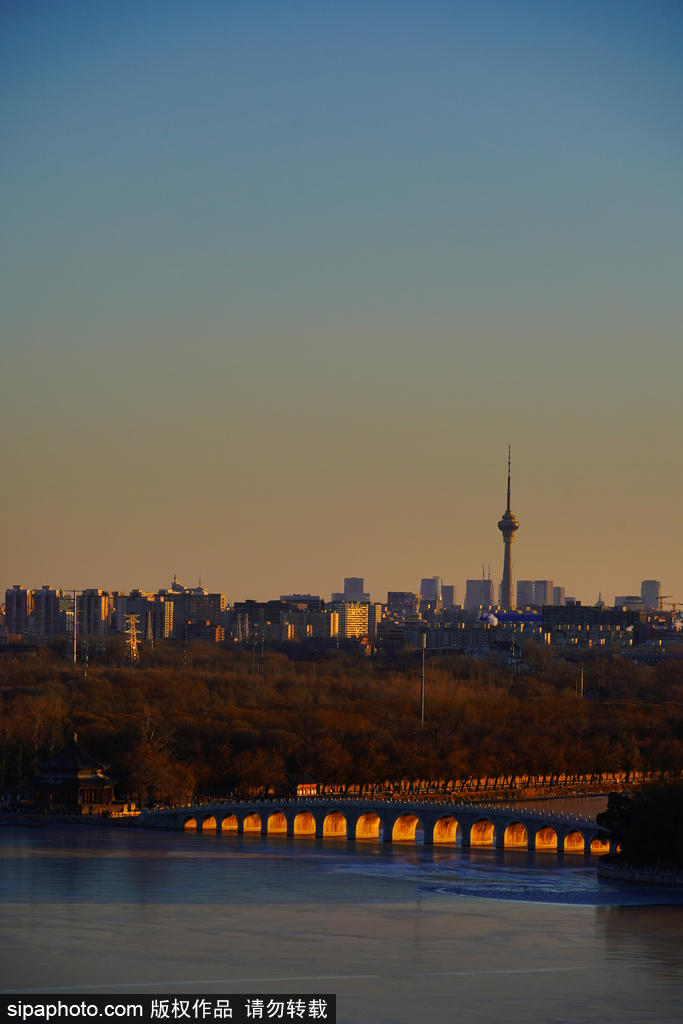
The Winter Solstice is a solar term and a traditional festival. On the day of the Winter Solstice, the sun reaches the Tropic of Capricorn, and the northern hemisphere welcomes the longest night. After that, yang energy in everyone's body begins to rise, and all things begin to sprout.
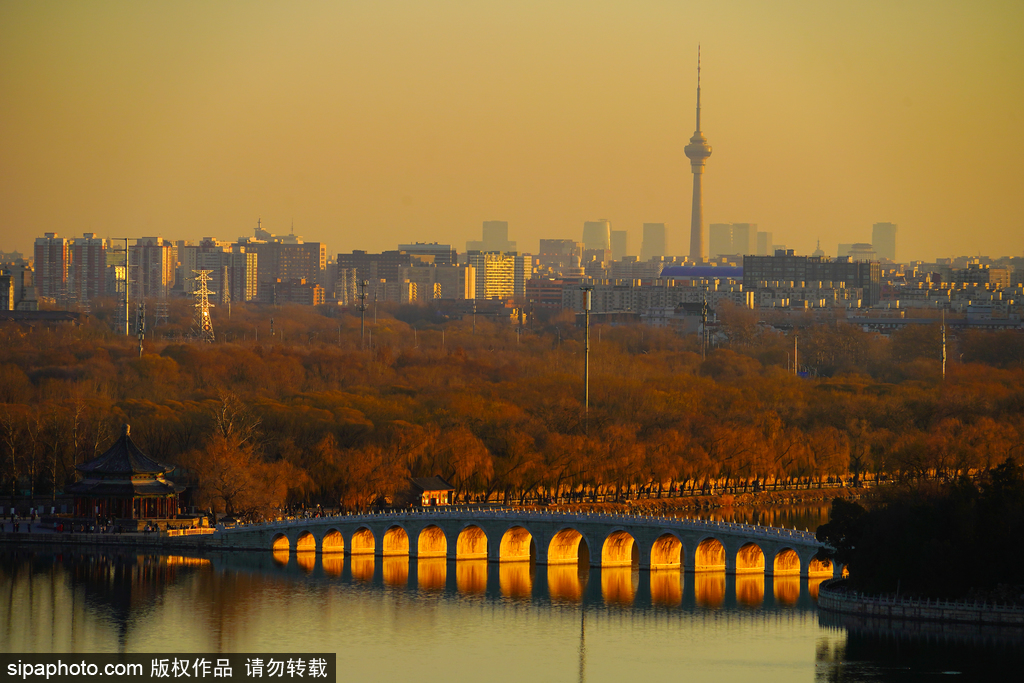
Every year, in the days around the Winter Solstice, about one to two hours before sunset, a rare spectacle would appear on the Seventeen-Arch Bridge in the Summer Palace. The setting sun shines on the side walls of all the bridge holes of the Seventeen-Arch Bridge, and the golden sunset lights up the bridge holes. From a distance, it looks like the bridge holes are full of lights, which is the "most beautiful moment" of the Seventeen-Arch Bridge in a year. People call this phenomenon "Golden Light Through Hole" and give it many beautiful meanings it has always attracted a large number of tourists to watch and take photos.
The Seventeen-Arch Bridge is a stone bridge on Kunming Lake in the Summer Palace in Beijing, built during the Qianlong period. The bridge connects the east bank of Kunming Lake with Nanhu Island, and the bridge body has seventeen round arch bridge holes, hence the name Seventeen-Arch Bridge. The Seventeen-Arch Bridge is more than 150 meters long, and its shape is inspired by the Lugou Bridge in Beijing and the Baodai Bridge in Suzhou. When viewed from the side of the bridge, the bridge shape is like a rainbow lying on the blue waves, which is spacious, elegant, and beautiful. Like the Lugou Bridge in Beijing, the tops of the columns on both sides of the railings on the bridge surface of the Seventeen-Arch Bridge are carved into various shapes of stone lions, with a total of 544 stone lions.
In addition to the Seventeen-Arch Bridge, there are many ancient buildings in the Summer Palace that present a beautiful winter scenery. Under the winter sunset, the iconic ancient buildings of the Summer Palace, such as the Long Corridor, Marble Boat, and the Six Bridges on the West Bank, would also present a magnificent and spectacular view with golden light shining.
Address:
No. 19 Xinjian Gongmen Road, Haidian District, Beijing
Ticket information:
Peak season (April 1st - October 31st), 30 yuan; Off-season (November 1st - March 31st), 20 yuan.
Opening hours:
Peak season (April 1st - October 31st) from 6:00 am to 7:00 pm, with extended hours until 8:00 pm for the quieter areas; fee-charging courtyards are open from 8:00 am to 5:30 pm, with extended hours until 6:00 pm for the quieter areas.
Off-season (November 1st - March 31st) from 6:30 am to 6:00 pm, with extended hours until 7:00 pm for the quieter areas; fee-charging courtyards are open from 8:30 am to 4:30 pm, with extended hours until 5:00 pm for the quieter areas.