
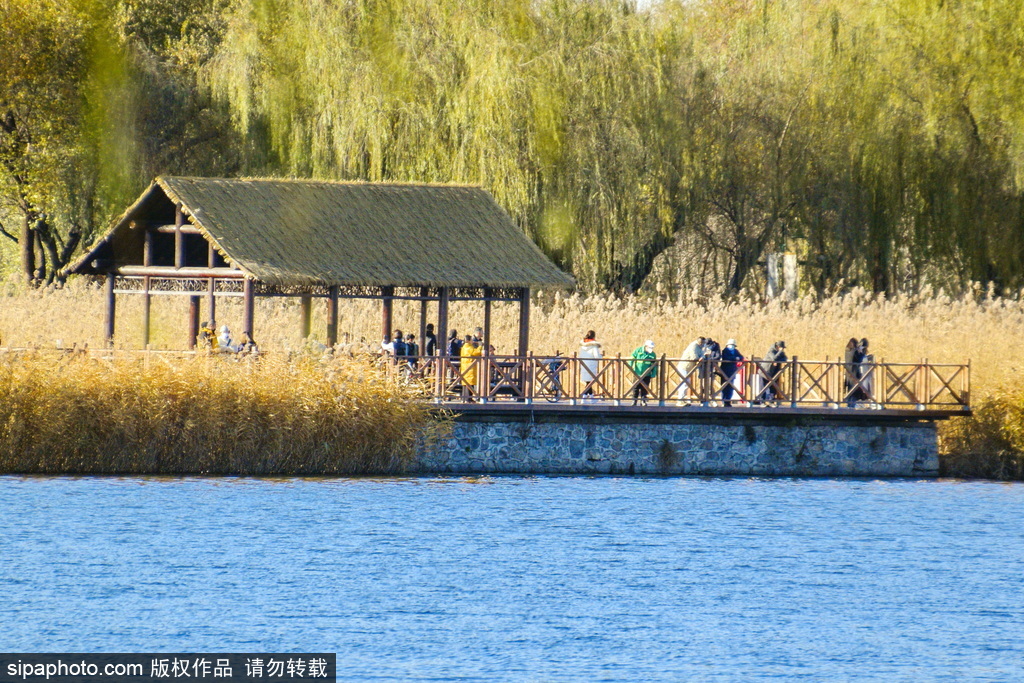
The history of the Grand Canal in Beijing can be traced back to the Yongji Canal, which was dug in the fourth year of the reign of Emperor Yang of the Sui Dynasty (AD 608). In the Yuan Dynasty, Guo Shoujing implemented the Tonghui River water source project and channel project, which linked the Beijing-Hangzhou Grand Canal from Hangzhou to Dadu. The Ming and Qing dynasties basically followed the route of the Grand Canal in the Yuan Dynasty, and the water transport stopped in the 31st year of Guangxu Emperor of Qing Dynasty(1905 AD).
The section of the Grand Canal in Beijing features high-level cultural relics, dense distribution, and rich types. Apart from sections of the Baifuwanggou River and the now-dry route of the Tonghui River (now the route of the Yu River), the integrity of the river and lake systems is relatively good, with many preserved bridges, locks, docks, and ancient warehouses, buildings, and relics related to the Grand Canal.
In recent years, Beijing has continuously strengthened the protection of the Grand Canal heritage and the construction of the national cultural park, exploring and tapping into the canal culture of the "local" Beijing, achieving remarkable results.
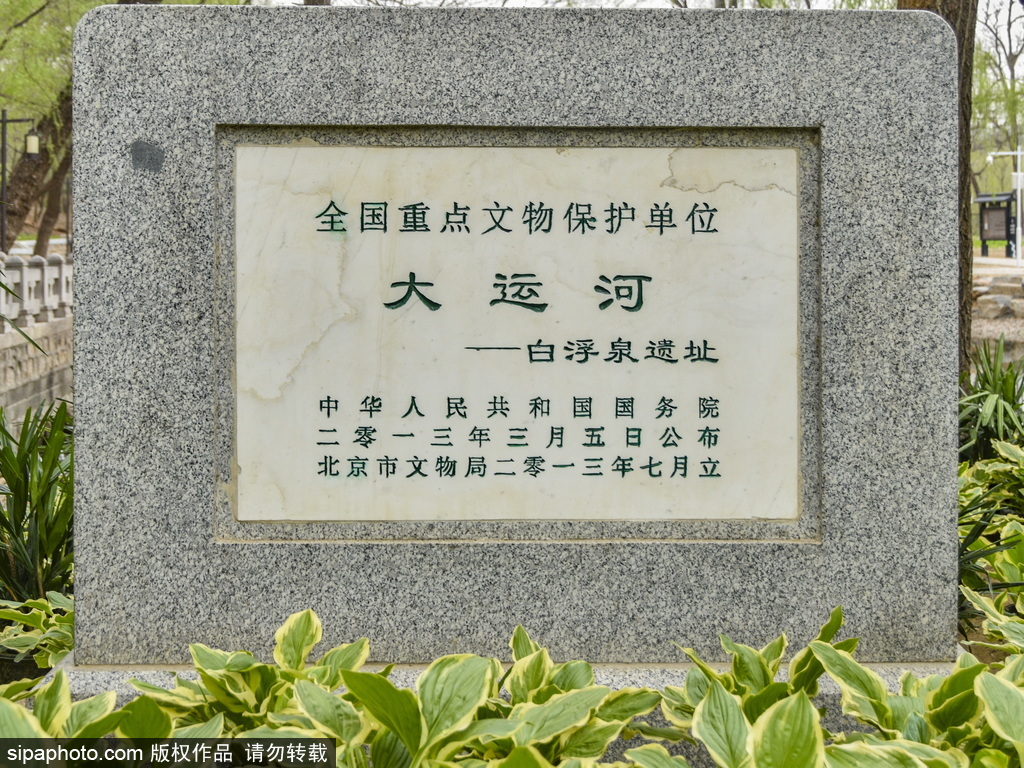
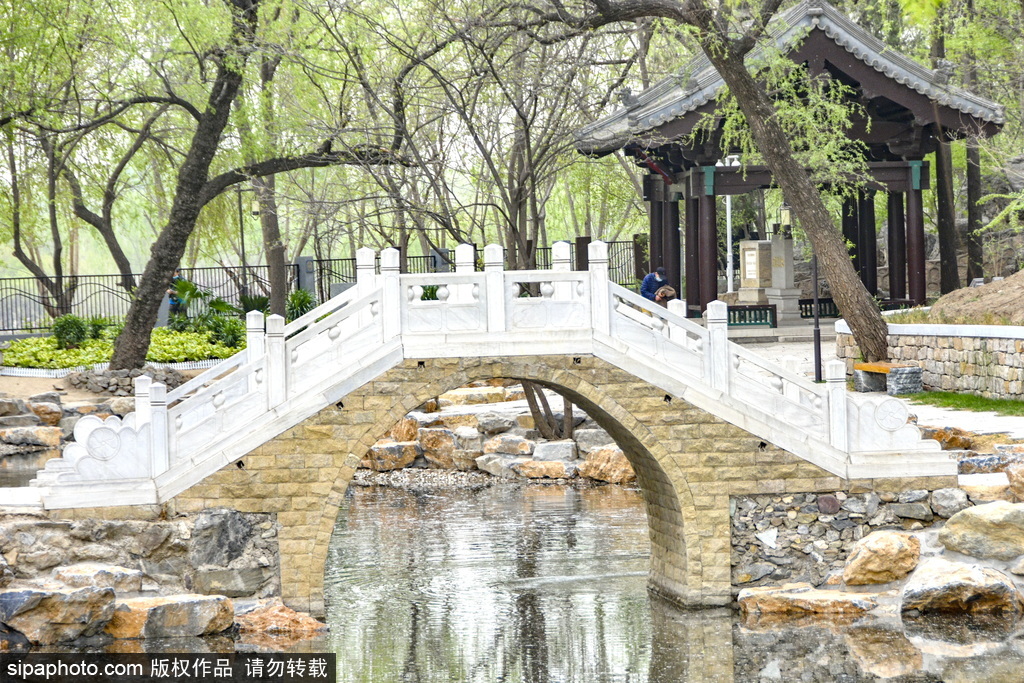
A systematic archaeological investigation and excavation work has been carried out on important sections of the Grand Canal Beijing section, focusing on the Grand Canal river and water engineering relics, as well as the relics of ancillary facilities. The excavation results have deepened the understanding of the historical and cultural connotations of the Grand Canal. Among them, the archaeological exploration of the Bai Fuaquan site, with a total area of 103,000 square meters and an excavation area of 243 square meters, has basically clarified the scope of Jiulongchi and the historical flow of Bai Fuaquan.
Nowadays, in the Grand Canal source heritage park located in Changping District, Beijing, the landscape of "Nine Dragons Playing Water" has been restored in Jiulong Spring. The park is mainly built around Longquan Temple, with interactive screens and other technological means used to display the cultural axis of the source of the Grand Canal, the source of the capital, and the source of the city. The park tells the story of the Grand Canal source through history and culture.


