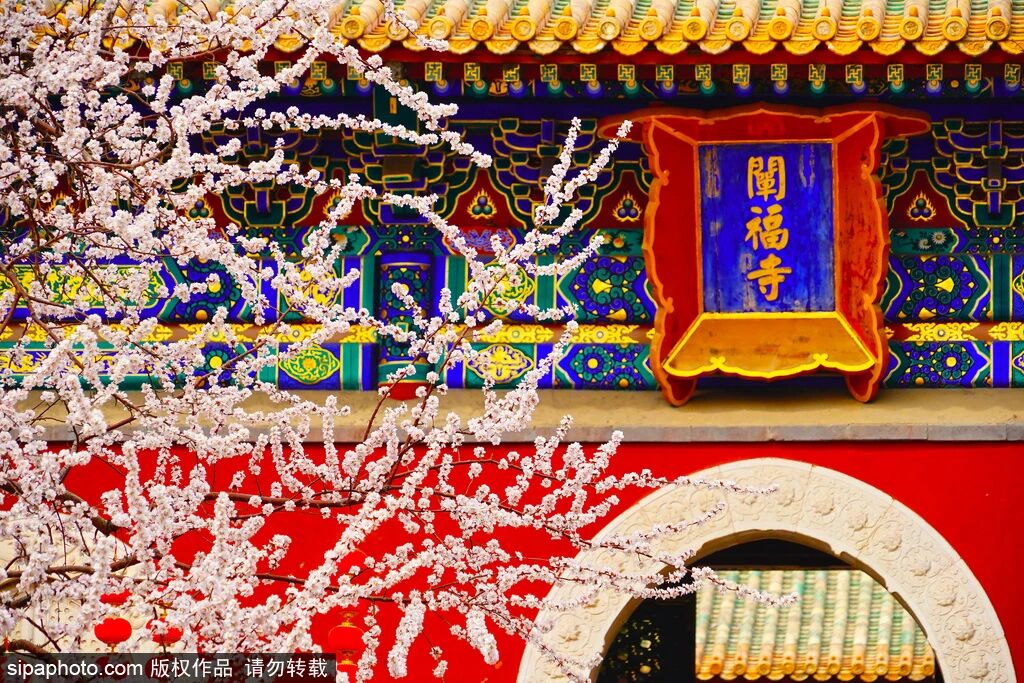
The Xiannong Altar was built in the eighteenth year of Yongle of Ming Dynasty (1420), formerly known as the "Shanchuan Altar (Mountain and River Altar)"; the general layout of which was formed during the Jiajing period in Ming Dynasty. The altar was the place for emperors of Ming and Qing Dynasty to worship the god of the first farmers and hold a pro-farming ceremony.


In the Qianlong years of the Qing Dynasty the architecture underwent a large-scale reconstruction; the main existing main buildings are the Taisui Hall, the Jufu Hall, the Guangeng Platform, and the Qingcheng Palace.

The Taisui Hall is a huge single building in the Xiannong Altar, which was built in the 18 Ming Yongle (1420), also known as the Taisui Temple. Before Ming Jiajing, gods of Taisui, wind and thunderstorms, and mountains and seas were enshrined here, and thereafter it was dedicated to natural deities such as Taisui and Twelve months. During the Ming and Qing dynasties, every year during the winter solstice or the following year's spring and in the event of flood and drought disasters, it was necessary to perform sacrifices here for the god of Taisui.

The Jufu Hall, the Guangeng Platform, and the Emperors ' farm land are located on the south side of the Taisui Hall. Built in the nineteenth year of the Qianlong Period (1754), the Guangeng Platform was a viewing stand for emperors to supervise ministers’ cultivation ceremony; the height of platform is 1.6 m, and area is 19㎡. The Sumire Base is built with yellow and green glazed bricks and exquisite decoration. On the south of platform was the emperor's personal cultivation field, covering 1.3 mu. The Main Hall on the north is the Jufu Hall, which is the place where the emperor changed clothes before he personally cultivated.

Qingcheng Palace was built in the second year of Ming Tianshun (1458) as "Fasting Palace", which was the place where the emperor fasted before sacrificing his own farming. However, basically it has not been used since it was built. In the 20th year of Qianlong (1755), it was renamed "Qingcheng Palace" and became a place where the emperor rested and rewarded his followers after performing the cultivation ceremony.
Address: No. 21, Dongjing Road, Xicheng District, Beijing