
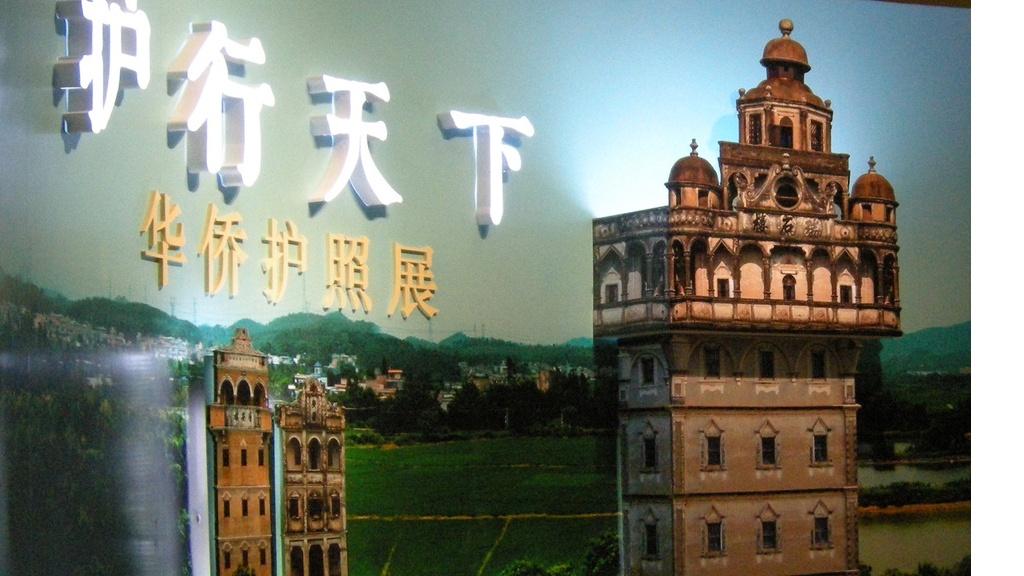
An exhibition of Passports of Overseas Chinese is being held at the Capital Museum in Beijing, capital of China. Covering an area of 660 square meters, the exhibition reproduces the development of overseas Chinese passports through more than 115 sets of different originals.
A passport is a travel document, issued by a country's government, which certifies the identity and nationality of its holder primarily for the purpose of international travel. Standard passports may contain information such as the holder's name, place and date of birth, photograph, signature, and other identifying information.
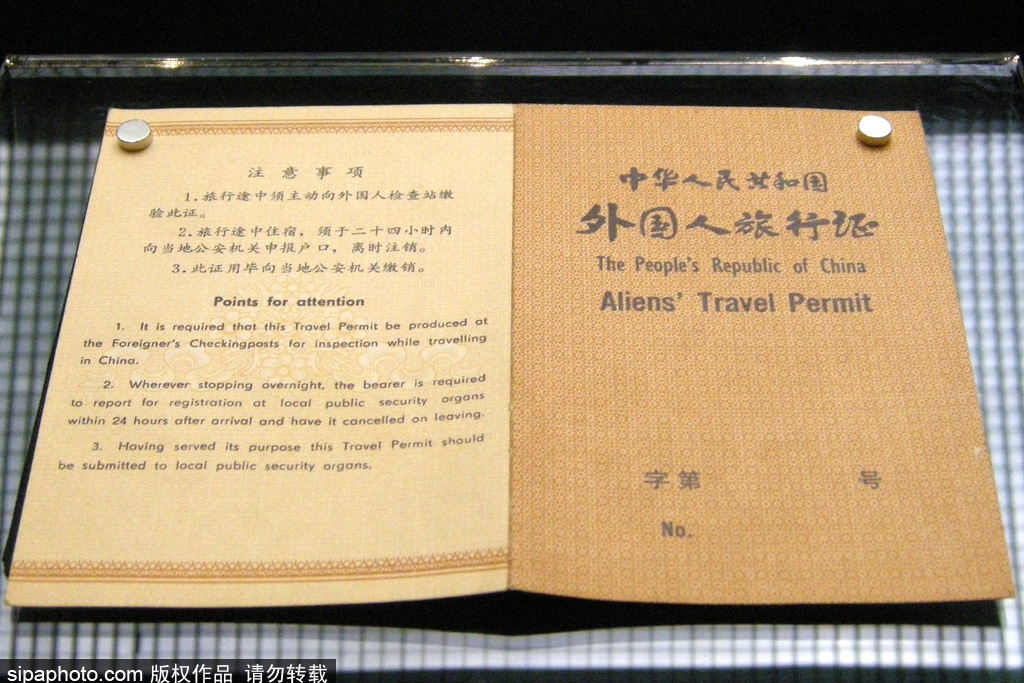
In the history of China, passports of different stages have different names, such as Fu (symbol), Chuan (pass), Guosuo (traffic certificate), Gongyan (official document), Dudie (official document issued for monk), etc. The exhibition showcases passports from three periods of China, the Qing Dynasty (1644-1912), the Republic of China (1912–49) and the People's Republic of China (1949–present). They were issued by more than ten embassies such as the United States, Canada, Australia, Singapore, Panama, Indonesia, Malaysia, Mexico, Cuba, South Africa, Myanmar and Vietnam.
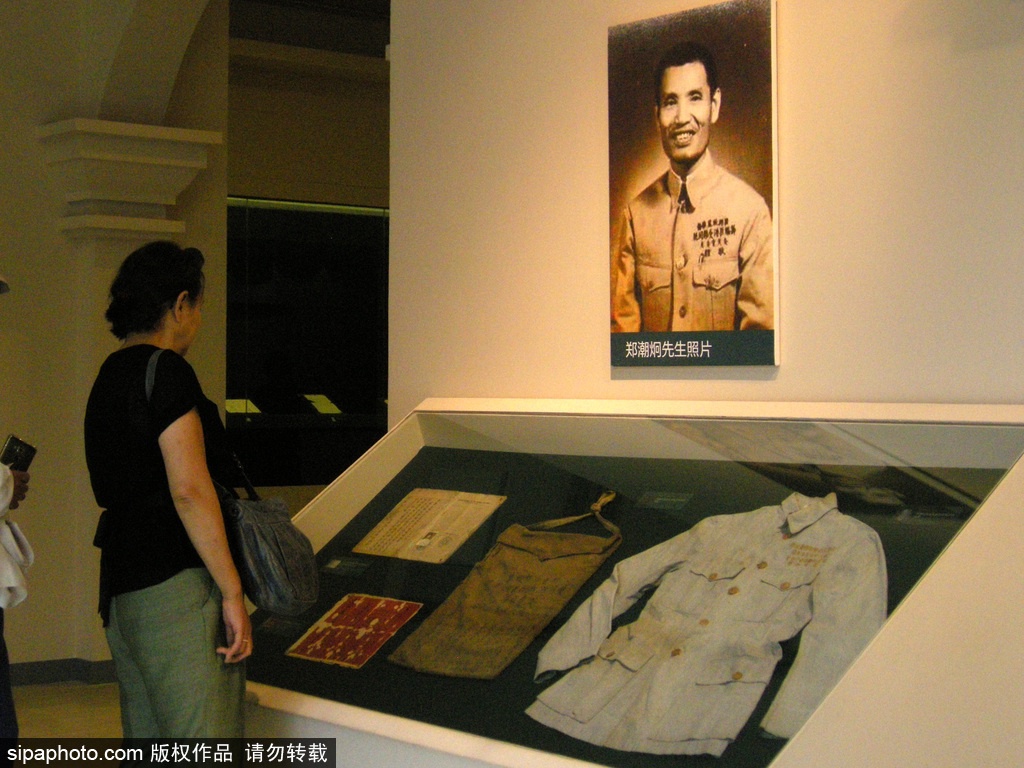
As China’s first large-scale exhibition of passports, it demonstrates the determined spirits of overseas Chinese and their insistence to maintain the characteristics of the Chinese nation. The exhibition will run through October 8.
If you go:
9:00-17:00 (closed on Monday), through Oct. 8. No. 16 Fuxingmen Outer Street, Xicheng District, Beijing. 010-63393339


