
A news conference on the promotion of cultural and creative products was held by the Ministry of Culture in Beijing on May 19.
Officials also answered questions on Suggestions on the Promotion of Cultural and Creative Products of Cultural and Cultural Relics Institutions that was released by China's Ministry of Culture, National Development and Reform Commission, China's Ministry of Finance and the State Administration of Cultural Heritage and later promoted by the State Council on May 16.
Present development and situation
"At present, cultural and creative products development is still in its primary period. The Suggestions the very guideline that sets a general plan for its promotion," said Wu Bo, director of the Cultural Industry Department of the Ministry of Culture.
The Suggestion clearly noted that the revenue of undertaking and operating will be included in the general budget of the cultural and cultural relic institutions. Some institutions, art galleries and libraries will be the experimental units, which will be allowed to run their business of cultural and creative products.
Challenges and difficulties ahead
According to Vice-Director Guan Qiang of the State Administration of Cultural Relics, the total sale amount of 9 museums jointly built by the central and local governments was 97 million yuan ($15 million) in 2015. The revenue of each level of museum varies. Prefecture-level museums develop more creative product than county ones.
Guan noted that the cultural and creative products found challenges from policies. The main problem is the management qualification. National museums are non-profit institutions and can't run their own business, which dampens their enthusiasm of developing creative products. To promote creative products' development, Guan said the administration would issue regulations of museums' operations, encourage resources and market sharing, development more creative products that meet the need of adolescents and education.
A good example
With 8,700 kinds of creative products and more than 1 billion yuan ($154 million) revenue in 2015, the Palace Museum attracted a lot of customers and visitors.
Shan Jixiang, director of the museum, said they will design more high quality cultural and creative products that can let people feel more culture of the museum.
"We want them to bring home the museum's culture," Shan said.
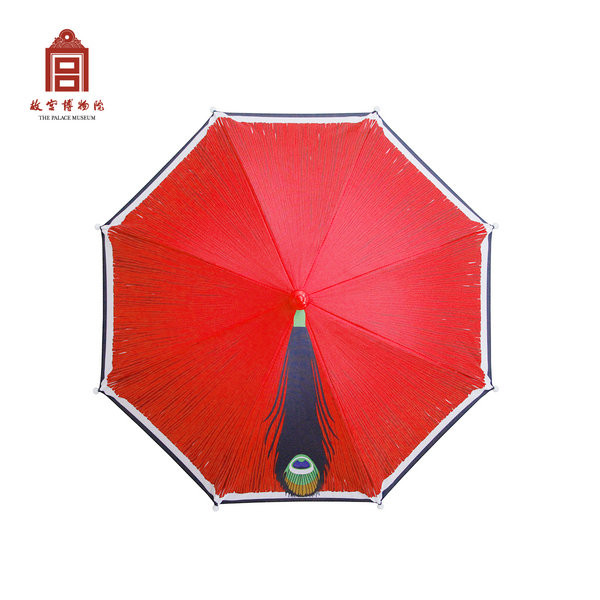
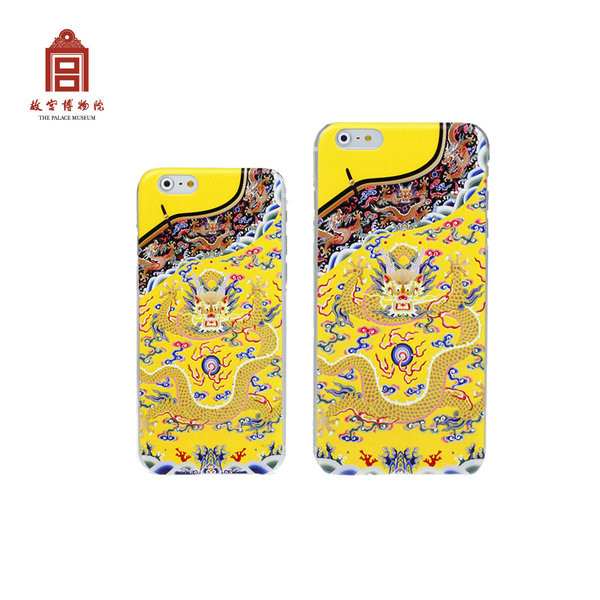
He also introduced their "secrets of success" at the press conference. They took the people's need as orientation and developed more practicable products that can be widely used in daily life, such as phone cases, laptop bags, flash disks, notebooks, spectacles, chopsticks, ties and quilts.
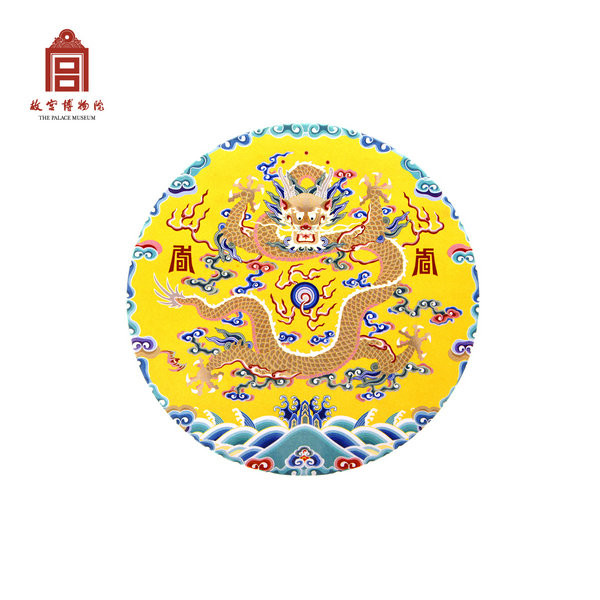
Their products are based on the academic research of the handcrafts of cultural relics in the museum. For example, some patterns and designs are inspired by the emperor's clothes and paintings.
They also tried to create more fashionable products according to the cultural trend. For instance, the "Palace Museum Cats" series were based on the life of wild cats living in the Forbidden City.
High technology and Internet were also efficiently used. The English website and the website targeted at young adolescents received great promotion with a brief catalogue of all the cultural relics of the museum. They also designed an app of the famous painting "Han Xizai Ye Yan Tu" (Han Xizai's Night Banquet), in which characters in the painting become three dimensional and people can hear the music and watch the dances of the time.
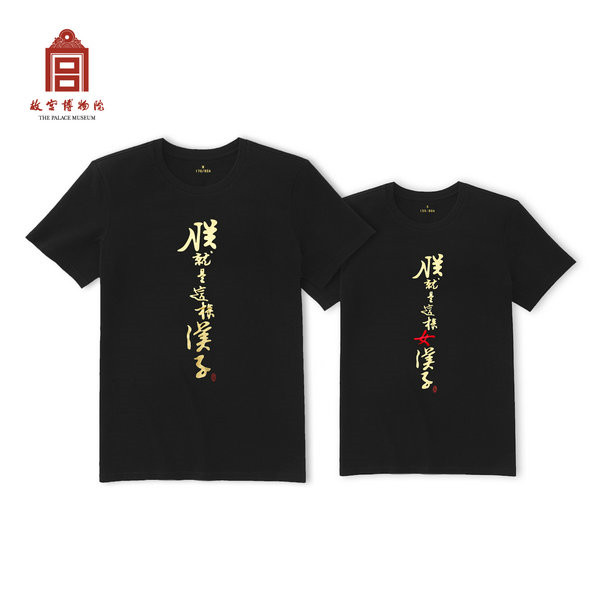
Moreover, the museum also developed theme products related to each exhibition.
And with the help of e-commerce, the museum sales on Taobao and WeChat, which provides an easier way for people to purchase creative products. Meanwhile, the museum held a series of cultural and educational activities and let younger generations know more about Chinese culture. In 2015, 280,000 activities were held. And the museum also designed many traditional Chinese toys based on public suggestions.
Source: chinaculture.org


