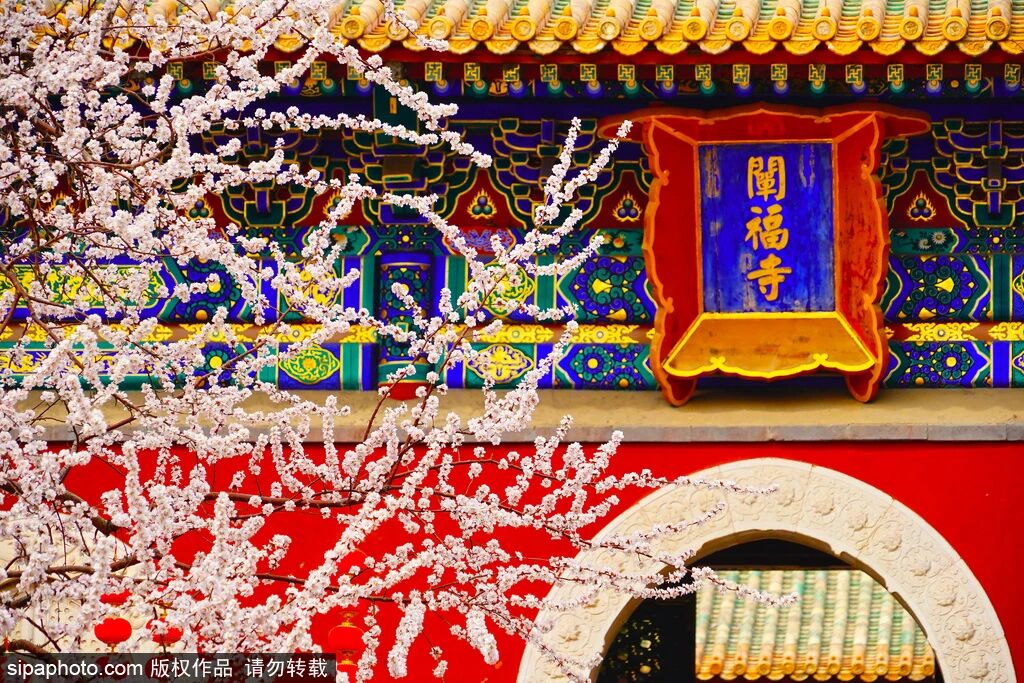
Xuanwu Gate (宣武门)
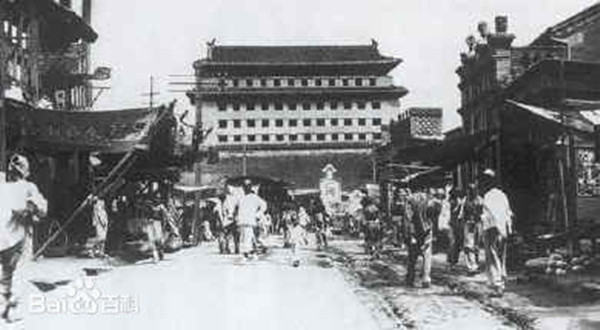
Xuanwu Gate was named Shuncheng Gate (顺承门) in the Yuan Dynasty and early Ming Dynasty, and rumors say it was named Shunzhi Gate (顺治门) after Emperor Shunzhi of the Qing Dynasty. In the first year of Emperor Zhu Qizhen of the Ming Dynasty (1436), the Ming government renovated the gate and also built three turrents: Wong City (瓮城), Arrow Turret (箭楼) and Valve Turret (闸楼). The name of the gate orginates in the book Dongjing Fu (《东京赋》; Fu [赋]: descriptive prose interspersed with verse) and means spreading power and authority. Therefore, it was finally renamed Xuanwu Gate. The gate is as wide as 32.6 meters and as tall as 33 meters (including its pedestal). The execution ground Caishikou (菜市口) was once outside the gate, prison vans usually passed through the gate, and so people called this gate “Death Gate”.
Fucheng Gate (阜成门)
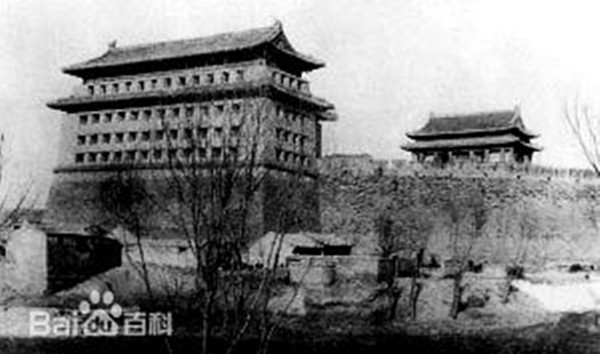
Fucheng Gate was named Pingze Gate (平则门) in the Yuan Dynasty and directly faced Chaoyang Gate in the east. In the past the coal carts from today’s Mentougou District often passed through this gate, because Mentougou was the main source of coal consumption of Beijing. To carry the coal of Mentougou to the city of Beijing, the nearest gate was this gate.
Desheng Gate (德胜门)
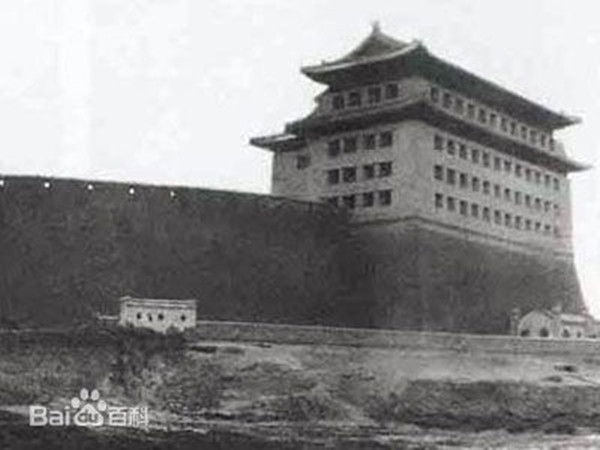
Desheng Gate was named Jiande Gate (健德门) in the Yuan Dynasty. In the past soilders who would fight in the battle went through the gate to their battle field. The sound of Desheng (德胜) in Chinese is something like victorious return.
The Nine Gates of Beijing (1)
The Nine Gates of Beijing (3)
Source: baike.baidu.com