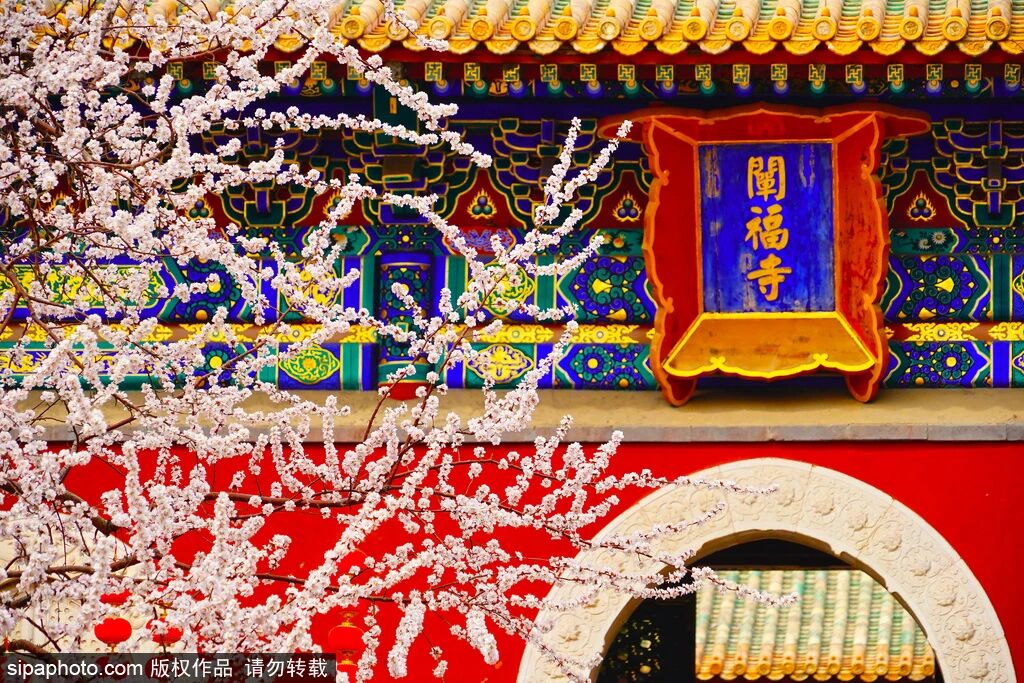
The Nanluoguxiang Historical and Cultural Protection Zone is one of the oldest and most important districts of Beijing. The Nanluoguxiang area of the Ming and Qing Dynasties was much like it is today: a lively hub of diverse local people, businesses and buildings. This included government bureaus, temples and influential residences.
Keyuan is part of this zone and is one of the best preserved Qing Dynasty designed gardens in China. Keyuan was laid out in the mid-19th century by renowned scholar-official, Wen Yu, as part of his residence on Mao’er Hutong. The courtyard has five connected yards, and is more than 10,000m2 in total.
Keyuan is the garden portion of the complex, with hills, ponds, bamboo groves, rocks, winding paths, arbors and pavilions, inspired by the famous gardens of Suzhou. Wen Yu treasured his garden and so named it ‘Keyuan’, which means ‘the favored garden’.
The courtyard’s present address is No.7 to No.13 of Mao’er Hutong, and Keyuan is No.9 and its current property owner is the Ministry of Foreign Affairs. Courtyard No.7 has been heavily damaged, but the rest of the residence is well preserved.
Though less renowned than the Forbidden City, Keyuan actually has the same level of protection. Because of its cultural significance, the Beijing government declared Keyuan, and the rest of Wen Yu’s courtyard (No.7 to No.13) a protected cultural relic as far back as 1984. The State Council also announced Keyuan as a Cultural Relic of National Importance under the Protection of the State in 2001.
This means that according to the Law of People’s Republic of China on the Protection of Cultural Relics, Mao’er Hutong No.7 to No.11 are under the strictest protection – equal to the Forbidden City. All renovations need to be approved through legally defined proceedings, and demolishing Keyuan is strictly forbidden.