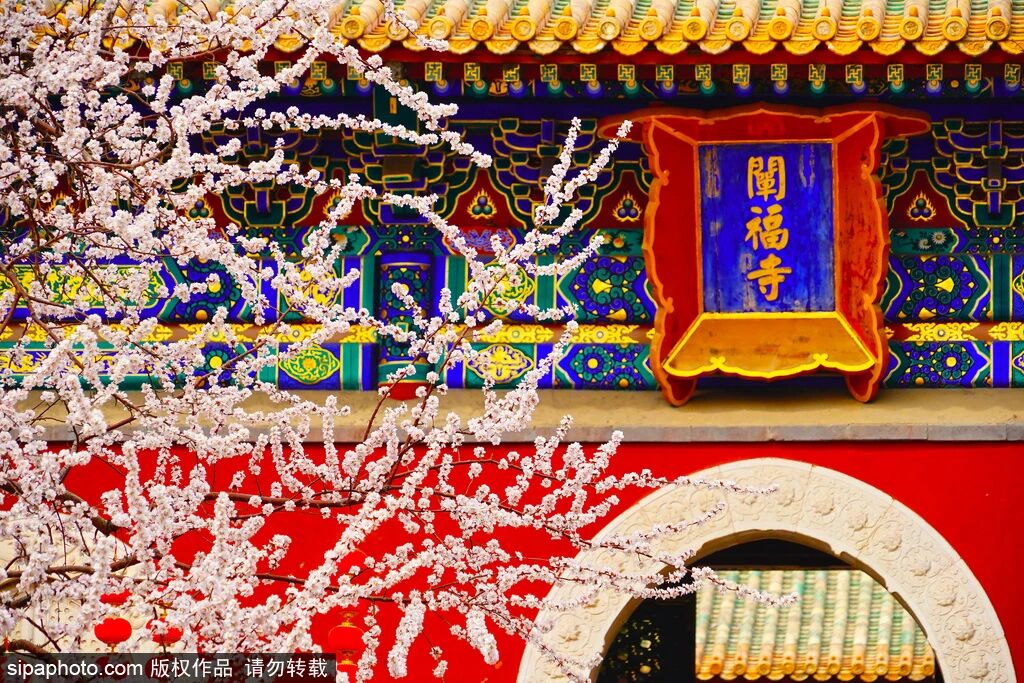
Quyang County
Subordinate to Baoding City, it is located in the west of North China Plain, with a total area of 1083.7 square kilometers.
Beiyue Temple
Located in the west of Quyang County, 83 kilometers southwest of Baoding City, Hebei Province, it is a national key cultural relic protection unit. Beiyue Temple is not only a place to worship the God of Mount Hengshan, but also a rich cultural and artistic palace, integrating ancient architecture, paintings, calligraphy, stone carvings, and other arts.
Lingshan Julong Cave
Also known as Lingshan Karst Cave, it is located at the foot of Lianhua Mountain, 2km northeast of Lingshan Town, Quyang County, Baoding City, Hebei Province. Julong Cave is divided into three parts: ancient ape-man cave, Julong hall, and underground maze. It is about 2800 meters long, and there are more than 100 scenic spots in the cave. The cave has a development area of 40000 square meters and a length of about 2000 meters. It is warm in winter and cool in summer, so it is a suitable place to visit in all seasons.
Wangkuai Reservoir
Located in the west of Zhengjiazhuang Village, Quyang County, Baoding, Hebei Province, it is a large pivotal project focusing on flood control, irrigation, and power generation. It is one of the four major reservoirs in Hebei Province. With the beautiful mountain, clear water, and attractive scenery, Wangkuai Reservoir is ideal for tourists to boat, fish, and preserve health.
Hushan Scenic Spot
Located in the northernmost part of Quyang County, Baoding City, Hebei Province, the main peak, "Sanjianliang," is more than 1100 meters above sea level, covering an area of more than 20 square kilometers. The natural ecology of the scenic spot maintains its original appearance and is praised by tourists as the "natural oxygen bar" of nature.