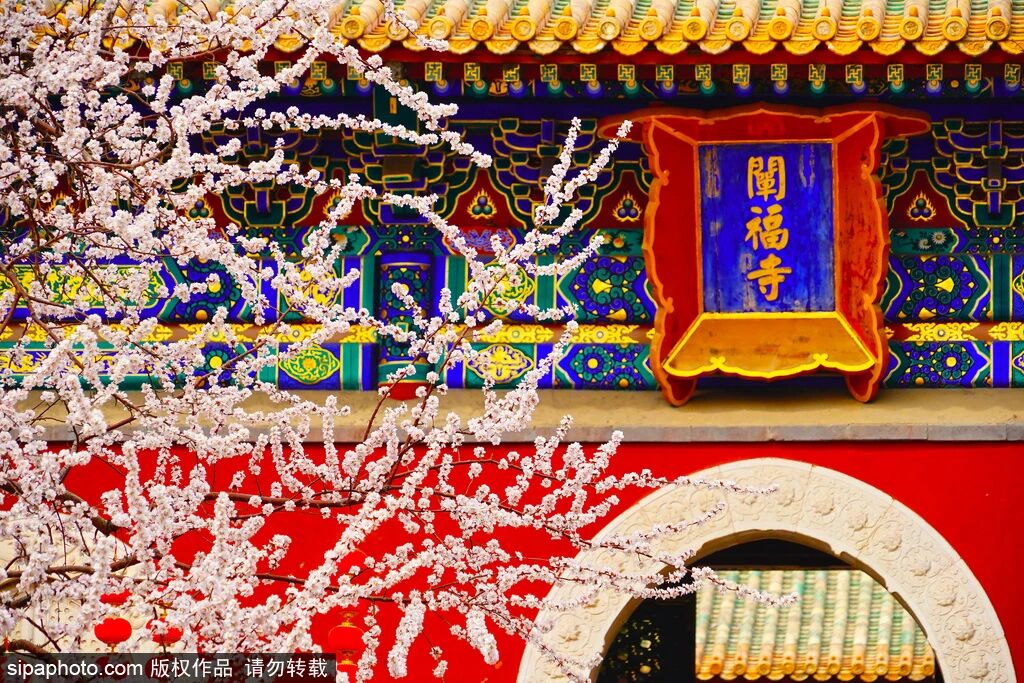
Along the routes, there are revolutionary holy places and memorials, as well as scenic spots such as hutongs and parks.
You can see the scenery and learn about the footprints of the Chinese Revolution in one go!
01 Tracing the New Culture Movement
Activities: visit the New Culture Movement Memorial Hall, tour the Beach Back Street, Ji Ansuo Left Lane, and Zhong Lao Hutong
Attractions Introduction:
Beijing New Culture Movement Memorial Hall: It is located in the former site of the Red Building of Peking University. Peking University used to be the center of the New Culture Movement and the birthplace of the May 4th Movement. In April 2002, the Beijing New Culture Movement Memorial Hall was officially opened, and it is the first batch of red tourism scenic spots named by the State Council and the Beijing Government.
Beach Back Street: It is the hutong where the Imperial University of Beijing is located.
Zhonglao Hutong: It is the hutong where Miao Boying, the first female member of the Chinese Communist Party, once lived.
Jianshe Zuoxiang: It is the hutong where the young Mao Zedong lived when he was working in the library of Peking University between 1919 and 1920.
02 Tribute to the martyrs at Wanan Cemetery
Activities: Visit the Li Dazhao Martyr Cemetery and the Li Dazhao Martyr Revolutionary Exhibition Hall.
Attractions Introduction:
Li Dazhao Martyrs' Cemetery is located in Wanan Cemetery in Xiangshan Hill, Haidian District, Beijing, and is one of the first red tourism scenic spots named by the State Council and Beijing Government. On October 29, 1983, the inauguration ceremony of Li Dazhao Martyrs' Cemetery was officially held.
03 Wanping & Lugou Bridge Tour
Activities: visit the Lugou Bridge, Wanping City, Museum of the War of Peoples Resistance Against Japanese Aggression, Sculpture Park of the War of Peoples Resistance Against Japanese Aggression.
Attractions Introduction:
Lugou Bridge: This is the longest stone bridge in North China, and "Lugou Xiaoyue" is one of the eight scenic spots in Beijing. The Lugou Bridge Incident broke out here on July 7, 1937, igniting the beacon of the national war of resistance against Japanese aggression.
Wanping City: Located east of the Lugou Bridge, it was built during the Chongzhen era of the Ming Dynasty and remained a military fortress during the early Qing Dynasty. In 1937, the July 7 Incident broke out, unveiling the prelude to China's all-out war of resistance against Japanese aggression.
Museum of the War of Peoples Resistance Against Japanese Aggression: This is the only large comprehensive thematic memorial hall in the country that reflects the history of the Chinese People's War of Resistance against Japanese Aggression, which was officially completed and opened to the public on July 7, 1987, when it was the 50th anniversary of the outbreak of the Lugou Bridge Incident.
Sculpture Park of the War of Peoples Resistance Against Japanese Aggression: The sculpture park was officially opened on 15th August of 2000, and the sculpture group is divided into "Japanese Bullying", "Fight to Save China", "Anti-Japanese Beacon Fire" and "Justice Must Win" according to the historical process of the Chinese People's War of Resistance against Japanese.
04 Jiao Zhuang Hu Tunnel Warfare Experience Tour
Activities: visit the Jiaozhuanghu tunnel site, watch the "tunnel warfare" movie, visit the Shunyi Olympic Water Park
Attractions Introduction:
Jiao Zhuang Hu Tunnel Warfare Site Memorial Hall: During the War of Resistance against Japanese Aggression and the War of Liberation, the people of Jiao Zhuang Hu used the tunnels to carry out heroic and tenacious struggle with the enemy, writing a historical chapter of the people's war.
Beijing Shunyi Olympic Water Park (4A): The park was the site of all rowing/sculling events for the 29th Olympic Games in 2008. The park consists of four parts: the Lighthouse Square, the World Sailing Base, the Eco Square and the Water Sports Base.
05 Tiananmen Square Red Tour
Activities: Climb the Tiananmen Square Tower, visit the National Museum of China and the Beijing Planning Exhibition Hall
Attractions Introduction:
Tiananmen Square: The founding ceremony of the People's Republic of China was held here on October 1, 1949. Tiananmen Square is the symbolic building of the People's Republic of China and was officially opened to the public on January 1, 1988.
National Museum of China: In February 2003, the National Museum was established by merging the former Chinese History Museum and the Chinese Revolutionary Museum, and was reopened in March 2011. The museum has two basic displays, "Ancient China" and " Revitalization Road", and there are more than ten special exhibitions and international exchange exhibitions in various art categories.
Beijing Planning Exhibition Hall: The exhibition hall focuses on the past, present and future of Beijing. The exhibition hall is divided into four floors, including exhibitions on Beijing Bay bronze sculpture, district and county planning, changes in the ancient city, urban planning models, world big cities and future homes.
06 Military Museum Tour
Activities: visit the Chinese People's Revolutionary Military Museum, the China Millennium Monument
Attractions Introduction:
Chinese People's Revolutionary Military Museum: This is the only large comprehensive military museum in China, which was officially opened on the occasion of Army Day in 1960. It has a collection of more than 340,000 cultural relics and other kinds of collections.
China Millennium Monument: It was built to welcome the 21st century. The building faces north and south and is a large art museum that integrates art collection, display and research.
07 Dongcheng District Red Tour
Activities: Visit Beijing Police Museum or Beijing Railway Museum, tour Qianmen Street
Attractions Introduction:
Beijing Police Museum: Beijing Police Museum was originally the former site of the Beijing branch of the American Citibank, which was opened to the public in August 2001. There are four exhibition halls, with a total collection of more than 7,000 pieces and more than 1,500 pieces on display.
China Railway Museum: The museum is known as the former site of the Beijing - Feng Tian Railway Zhengyangmen East Station, commonly known as Qianmen East Station, which was officially opened to the public in August 2008.
Qianmen Street: Qianmen Street starts from Qianmen Moon Bay in the north to the Tianqiao intersection in the south and is about 1600 meters long. It is a famous commercial street in Beijing with many long-established stores. In order to welcome the 2008 Olympic Games, the street was rebuilt and changed into a pedestrian street, restoring the appearance of the late Qing Dynasty and early Republican era, and now it has become a place centralizing the culture of old Beijing.
08 Xicheng District Red Residence Tour
Activities: Visit Lu Xun Memorial Hall, Li Dazhao's Former Residence, Beijing Xuanan Culture Museum
Attractions Introduction:
Li Dazhao's Former Residence: Li Dazhao worked and lived in Beijing for ten years and lived in eight places, and this is where he lived from 1920 to 1924, which was the residence where he lived for the longest time. Here, Li Dazhao made great contributions to spreading Marxism, founding the Communist Party of China, establishing the National Revolutionary United Front, consolidating and developing the cooperation between the Kuomintang of China and the Communist Party of China, and leading the revolutionary movement in the north.
Beijing Lu Xun Museum: This is Lu Xun's self-purchased residence, where he wrote many works including "Weeds", "Grave" and "Pacing back and forth". In 1954, the Ministry of Culture of the People's Republic of China built the Lu Xun Museum on the east side of Lu Xun's former residence, and the former residence became an important part of the museum.
Beijing Xuannan Culture Museum: With the theme of Xuannan culture, the museum vividly displays the long history and rich cultural deposits of the Xuannan area. There are eight exhibition halls in the museum, among which the martyr footprint hall shows the life and battle footprints left by many revolutionary pioneers such as Sun Yat-sen, Chen Duxiu, Li Dazhao, Mao Zedong, Zhou Enlai, etc. in Xuanan.
09 Chaoyang District Red Tour
Activities: Visit China Film Museum, Visit Beijing 798 Art Zone
Attractions Introduction:
China Film Museum: China Film Museum is the largest national film professional museum in the world, which is an art hall to show the development history of Chinese film for a century, expose film technology, spread film culture and conduct academic exchange and research.
Beijing 798 Art District: This is an art district featuring contemporary art, which has become an exhibition and display center of Chinese culture and art, and an influential cultural and creative industry gathering area at home and abroad.
010 Haidian District Red Leaves Tour
Activities: Visit Shuangqing Villa, Tour Xiangshan Park
Attractions Introduction:
Shuangqing Villa: Shuangqing Villa is the earliest place where the Central Committee of the Communist Party of China lived and worked when they settled in Beijing on March 25, 1949. There are original displays of Mao Zedong's life and work, and the hexagonal pavilion where Mao Zedong and his beloved son had a cordial conversation.
Fragrant Hill Park: Fragrant Hill Park is a famous large park with the characteristics of royal gardens. Biyun Temple Vajra Throne Pagoda is the temporary resting place of Dr. Sun Yat-sen's casket. Shuangqing Villa is the earliest place where Mao Zedong and the Central Committee of the Communist Party of China lived and worked in Beijing. Every year from mid-October to early November, the Fragrant Hills Red Leaves Festival is held here, and you can visit Fragrant Hills and enjoy the red leaves.
011 Miaofeng Mountain Intelligence Station Tracing Tour
Activities: visit the Memorial Hall of Pingxi Intelligence and Transportation Station, climb Miaofeng Mountain and listen to anti-Japanese stories
Attractions Introduction:
The Memorial Hall of the Pingxi Intelligence and Transportation Station: From June 1939 to January 1949, the Pingxi Intelligence and Transportation Station were responsible for transmitting intelligence, escorting personnel, telecommunication contacts and transporting supplies, and it is full of legendary stories. Officially opened in April 2009, it became the first exhibition hall in Beijing with the theme of the intelligence front on public display.
Miaofeng Mountain Scenic Spot: During the War of Resistance against Japanese Aggression and the War of Liberation, Miaofeng Mountain and the Jiangou village at the foot of the mountain were important traffic stations on the secret traffic line in Pingxi, creating many touching stories of struggle.
012 Western Beijing Red Village Tour
Activities: Visit Malan Village, tour to Cuandixia Village
Attractions Introduction:
The Former Site of the Command of the Jirecha Advancing Army: In October 1939, the Command of the Jirecha Advancing Army was stationed in Malan Village. in January 1940, the Command was bombed by enemy planes and the Command was transferred from Malan Village. In 1996, the Party Branch of Malan Village initiated the villagers to collect donations and materials to build the "Former Site of the Command of the Jirecha Advancing Army ".
Cuandixia Village: During the Anti-Japanese War, Cuanxia Village was a model anti-Japanese village, and more than 70 young and strong people joined the Eighth Route Army after the meeting of the "Youth Salvation Association". In recent years, Cuanxia Village has been actively developing tourism and has become a famous tourist village.
013 Red Song Birthplace Tour
Activities: Visit the place where the song"Without the Communist Party of China there would be no new China" was created and visit Baicaopan Scenic Spot
Attractions Introduction:
Tangshang Village: Tongshang Village is the place where the song "Without the Communist Party of China there would be no new China" was created, and on June 28, 2001, a memorial sculpture of the birthplace of the song was unveiled here in celebration of the 80th anniversary of the founding of the Communist Party of China. As a result, Tongshang Village has become the "birthplace of the hymn and a red tourism village".
Baicaopan Natural Scenic Area: Baicaopan is the main peak of Baihua Mountain, and there are eight scenic spots in the scenic area, including the upper and lower eight scenic spots. If you don't climb Baicaoside, you will not be able to say you have visited the Baihua Mountain".
014 Shidu Red Tour
Activities: visit the Pingxi Anti-Japanese StruggleMemorial Hall, visit Shidu Scenic Spot
Attractions Introduction:
Pingxi Anti-Japanese War Memorial Hall: Inmemory of the martyrs' spirits, the Martyrs' Monument, the Pingxi Anti-JapaneseWar Memorial Hall and the Monument Forest of 100 Martyrs have been built here.
Shidu Scenic Spot: The Juma River makes 10big bends within 30 miles in the territory of Fangshan District, which has formed 10 crossings. So people call it "Shidu". It is a national geological park and a municipal scenic spot.
015 Changping District Red Tour
Activities: Visit the China Aviation Museum, visit the Xiaotangshan Modern Agricultural Science and Technology Demonstration Park
Attractions Introduction:
China Aviation Museum: This is the world's top five, Asia's first and the country's only large collection of aviation treasures. The museum currently collects more than 139 types of 322 aircraft, as well as more than 2,800 samples of weapons and equipment such as ground-to-air missiles, anti-aircraft guns, anti-aircraft radar, aviation bombs and aviation cameras.
Xiaotangshan Agricultural Science and Technology Demonstration Park: In 2001, it was awarded as a national agricultural science and technology demonstration site by the Ministry of Science and Technology, and a "National Agricultural Tourism Demonstration Site".
016 Yuzishan Anti-Japanese War Relics Tour
Activities: Visit the Yuzishan Anti-Japanese War Memorial Museum and tour the Jingdong Grand Canyon
Attractions Introduction:
Yuzishan Anti-Japanese War Memorial Hall: The hall takes the anti-Japanese struggle in the eastern Hebei area as the background, and the historical facts of the anti-Japanese struggle in Pinggu people and the surrounding areas as the clues, showing the struggle of the anti-Japanese soldiers and people against oppression, invasion and liberation in a vivid image.
Jingdong Grand Canyon Scenic Area: Jingdong Grand Canyon Scenic Area was a battlefield for killing the enemy during the anti-Japanese war. While enjoying the beautiful natural scenery, you can also visit the Yuzishan Anti-Japanese War Memorial Hall, the Yuzishan tragedy site, and the site of the Eighth Route Army Arsenal to remember the martyrs and receive patriotic education.
017 Miaoshang Village Red Tour
Activities: Visit the Memorial Site of the Miaoshang Village Party Branch and Xingmei Film & Television City
Attractions Introduction:
Miao Shang Village Party Branch Memorial Site: Miao Shang Village Party Branch is the first Party Branch in Huairou District. The village has 5 revolutionary traditional education exhibition rooms, 52 exhibits such as photos and paintings. Now there are still preserved the shack used for the activities of the Party Branch and the cave for storing food and hiding the sick and wounded.
Xingmei Film & Television City: Xingmei Film & Television City is the largest location and post-production base for film and television programs in northern China, and more than 100 films and TV dramas have been filmed here. Visitors can not only enjoy the Ming and Qing Dynasty street scenery and the beauty of Jiangnan but also experience the connotations and wonders of film and television culture.
018 Myanmar Martyrs Miyun Tour
Activities: visit Bai Yihua Martyr's Cemetery, visit the Black Dragon Pond Scenic Area
Attractions Introduction:
Bai Yihua Martyr Memorial Site: Bai Yihua Martyr Cemetery covers an area of more than 3 acres, and the solemn and majestic Bai Yihua Martyr Monument stands in the middle of the hill. In July 2006, the Bai Yihua Martyr Memorial Hall and the History of Anti-Japanese Struggle Exhibition Hall in the Miyun area were completed and launched.
Black Dragon Pond Scenic Area: There are three waterfalls and eighteen pools in the 4-kilometer-long canyon with a water level drop of 220 meters, and the scenery is beautiful.
Translated by LIU Yu
Edited by WANG Jingyan